When planning your adventure to Phong Nha – Ke Bang National Park, timing is everything. This UNESCO World Heritage Site in Central Vietnam offers spectacular cave systems, pristine jungles, and stunning karst landscapes that transform dramatically with the seasons. Understanding the best time to visit ensures you experience this natural wonder at its finest.
Phong Nha – Ke Bang experiences a tropical monsoon climate with two distinct seasons that significantly impact your travel experience. Located in Quang Binh Province, the park sits in Central Vietnam's transition zone, creating unique weather patterns that differ from both northern and southern regions.
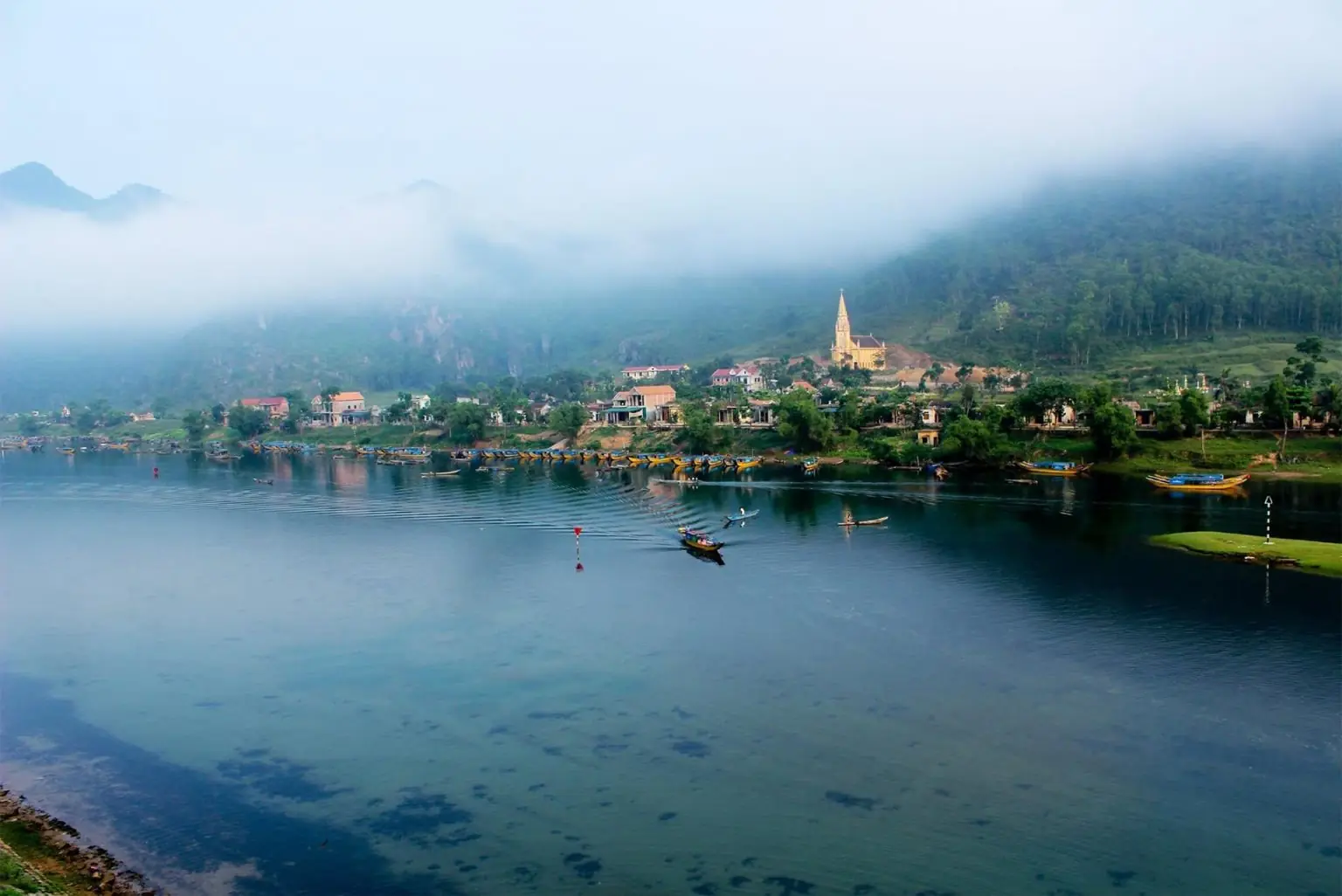
The dry season from February to August brings clear skies and excellent cave exploration conditions. During these months, temperatures range from 23°C to 35°C, with April and May being the hottest. The wet season from September to January sees heavy rainfall, particularly between October and December when monthly precipitation can exceed 600mm.
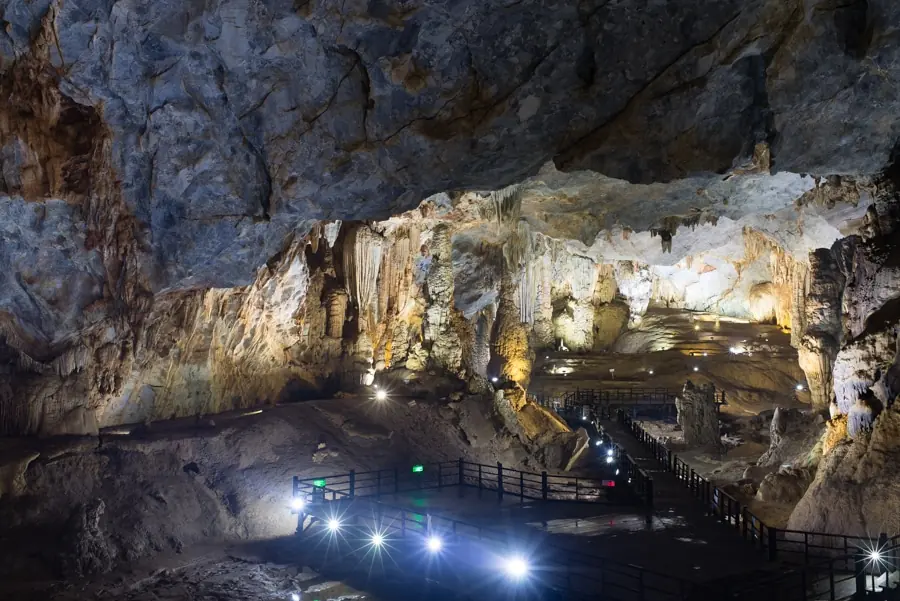
If you're planning a comprehensive Vietnam tour package that includes Phong Nha, February through April offers the most reliable weather for cave exploration. During these months, water levels inside the caves remain low and stable, allowing access to most cave systems including Son Doong, Phong Nha Cave, and Paradise Cave.
February stands out as particularly excellent. The weather is comfortably cool with average temperatures around 20-25°C, and rainfall is minimal. This makes it perfect for both cave tours and jungle trekking. March and April grow warmer, but the dry conditions ensure safe access to adventure caves and zip-lining activities.
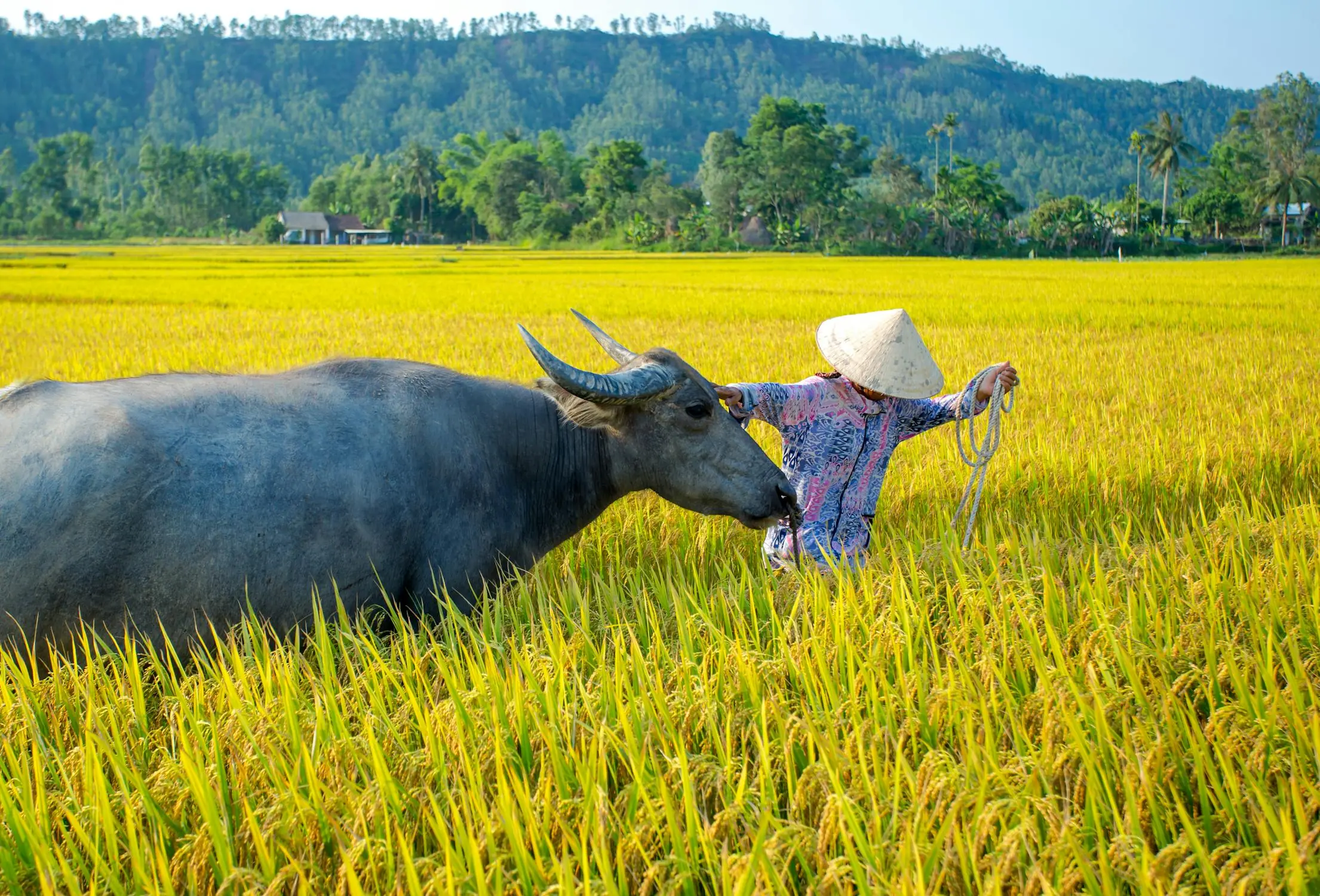
The spring months also coincide with Vietnamese farmers planting rice, creating beautiful green carpets across the valley. Photography enthusiasts will find this period especially rewarding, with morning mist rolling through the karst formations and excellent visibility for landscape shots.
Summer brings intense heat to Phong Nha, with temperatures frequently climbing above 35°C. While this might seem challenging, it's actually an excellent time for water-based activities. The Chay River and Son River reach perfect levels for kayaking, swimming, and boat tours through the caves.
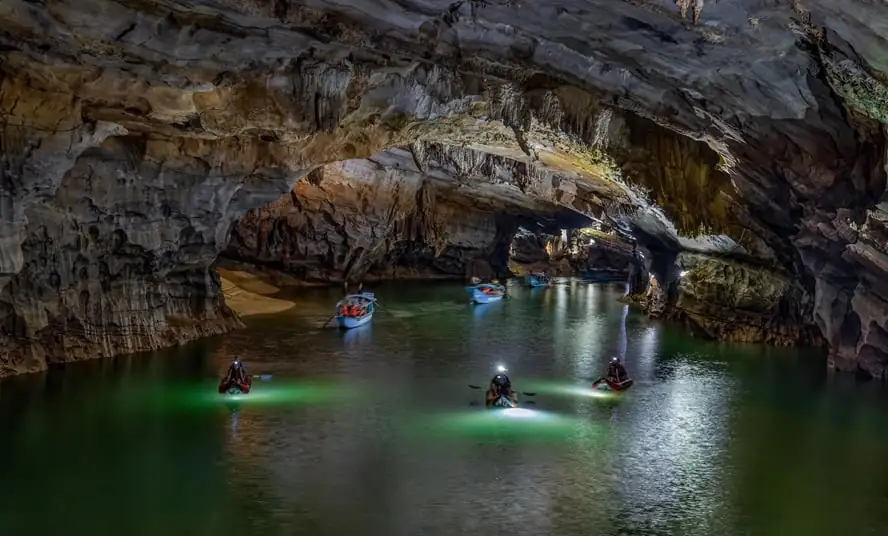
Many visitors combine Phong Nha with coastal destinations during this period, heading to nearby Da Nang or Hue beaches after their cave adventures. The extended daylight hours mean more time for exploration, though we recommend starting activities early in the morning to avoid the midday heat.
June through August sees increased tourist numbers, particularly from domestic Vietnamese travelers on summer vacation. Book accommodations and cave tours in advance during this period. However, the crowds pale in comparison to destinations like Halong Bay, and you'll still find plenty of peaceful moments in this vast national park.
The wet season transforms Phong Nha into a dramatically different landscape. Heavy rainfall creates rushing waterfalls, swollen rivers, and lush jungle vegetation at its most vibrant. However, this beauty comes with significant practical challenges for travelers.
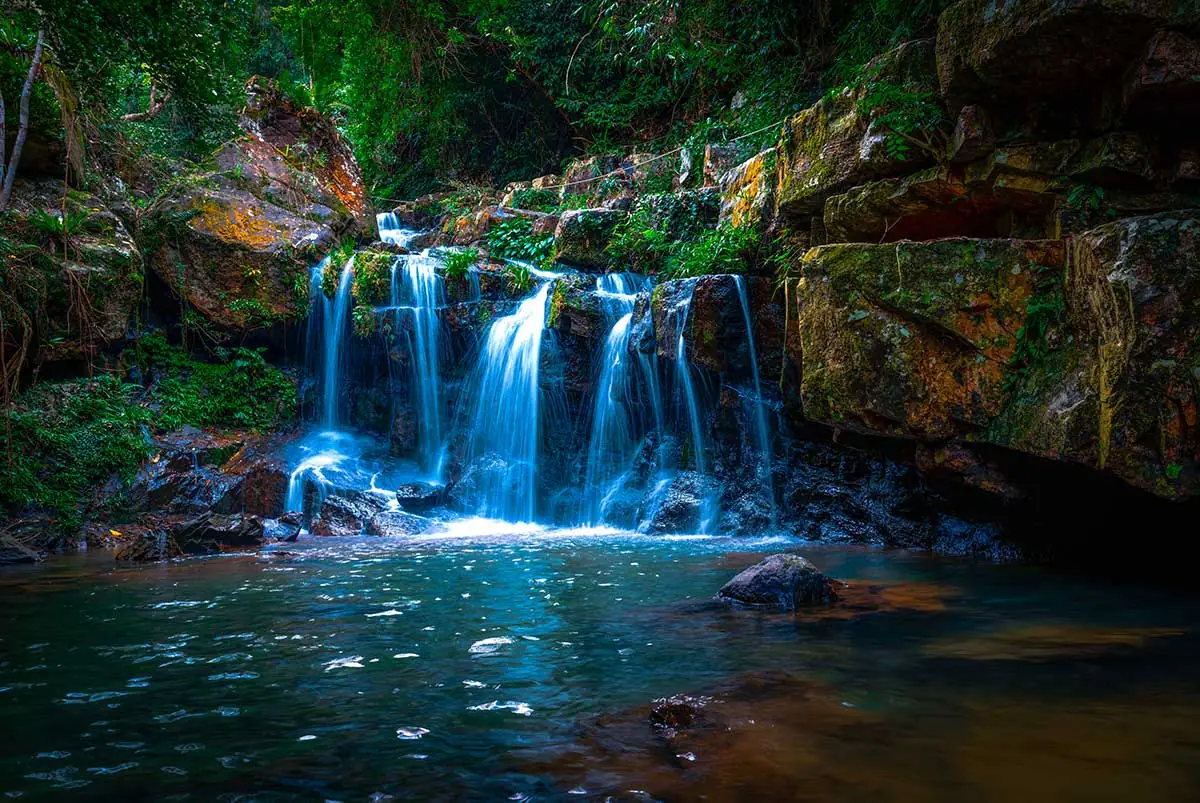
October through December marks the peak rainy season when many adventure caves close due to flooding. Paradise Cave and Phong Nha Cave typically remain accessible as they sit higher up, but expedition caves like Hang En and Son Doong may be inaccessible. Always check current conditions before booking cave tours during these months.
That said, visiting during the wet season isn't without its advantages. Accommodation prices drop significantly, and you'll have popular sites almost to yourself. The dramatic weather creates spectacular photography opportunities, with mist-shrouded mountains and powerful waterfalls. Just pack quality rain gear and maintain flexible schedules.
January: Cool and occasionally rainy. Temperature 16-22°C. Good for Paradise Cave and Phong Nha Cave, but adventure caves may still be flooded.
February: Excellent overall conditions. Temperature 18-24°C. All caves typically accessible. Light jacket needed for early mornings.
March: Warm and dry. Temperature 20-28°C. Perfect conditions for all activities. Increasingly popular with tourists.
April: Hot and dry. Temperature 24-32°C. Excellent for cave exploration. Can be quite warm for jungle trekking.
May: Very warm. Temperature 26-35°C. Great for water activities. Start activities early to avoid midday heat.
June: Hot with occasional afternoon showers. Temperature 27-36°C. Good for caves and river activities. Summer tourist season begins.
July: Hot and humid. Temperature 27-36°C. Peak domestic tourism. Book accommodations early.
August: Hot with increasing rainfall. Temperature 26-35°C. Still generally good conditions. End of peak season approaching.
September: Warm with regular rain. Temperature 24-32°C. Transition month. Some caves may close mid-month.
October: Heavy rainfall begins. Temperature 22-29°C. Many adventure caves closed. Paradise Cave usually accessible.
November: Peak rainy season. Temperature 20-26°C. Limited cave access. Low tourist numbers.
December: Wet and cool. Temperature 18-24°C. Similar to November. Not recommended unless you're flexible.
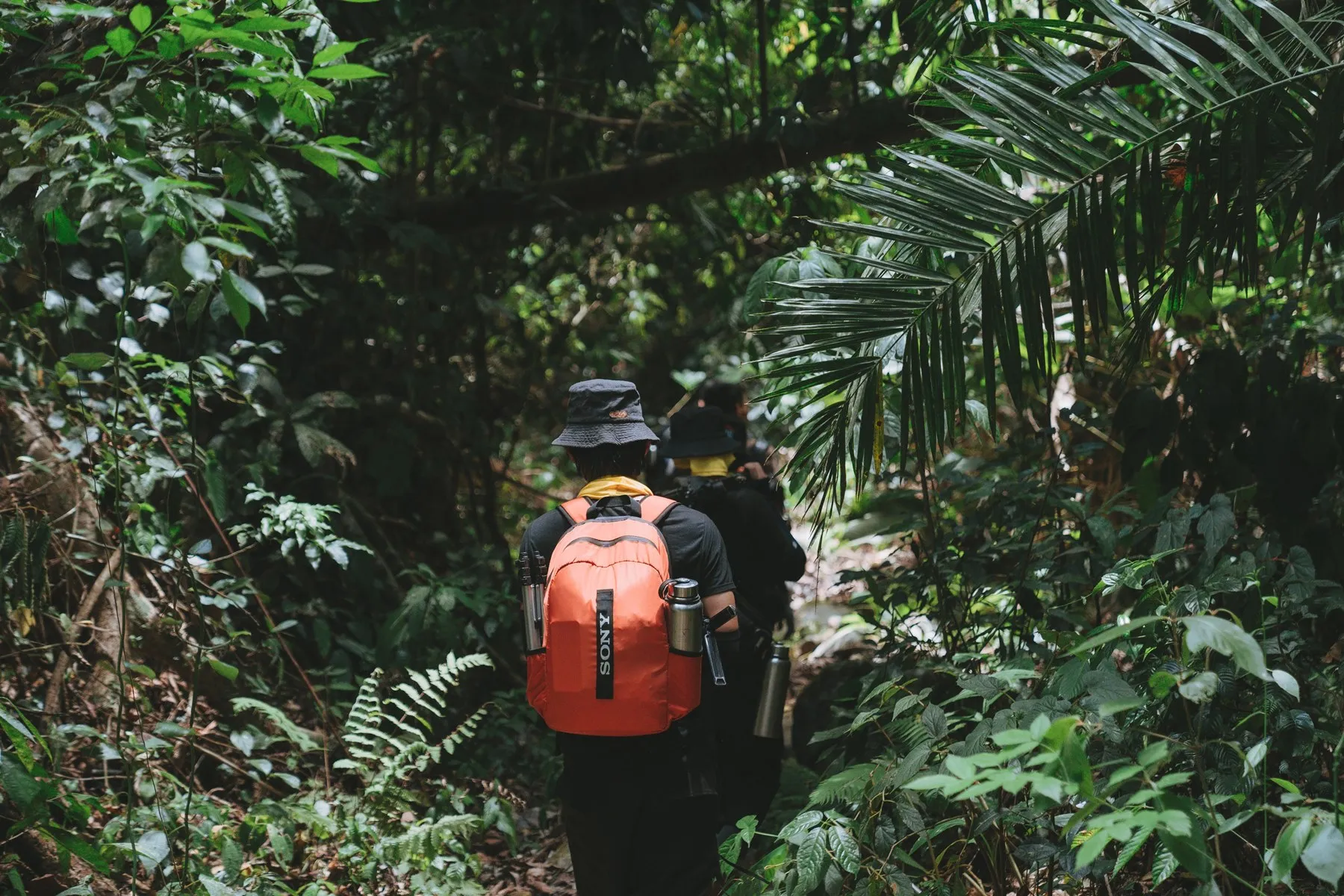
Cave Photography Tours: February through April offers the best lighting conditions and lowest cave water levels. Morning visits provide superior natural light inside the caves.
Extreme Adventure Caves (Son Doong, Hang En): Book February through August tours 6-12 months in advance. These caves close completely during wet season.
Family-Friendly Tours: March through May provides comfortable temperatures and reliable weather for families with children. Avoid the intense heat of June-July with young kids.
Budget Travelers: September through November offers lowest prices and fewer crowds, but requires flexibility due to weather uncertainties.
Wildlife Watching: Early dry season (February-March) is excellent for wildlife spotting as animals congregate near water sources.
Most travelers visit Phong Nha as part of a larger Central Vietnam itinerary. The park's location makes it easy to combine with other regional highlights. A typical route includes Hue to the north and Hoi An to the south.
When planning your route, consider that Hue experiences similar weather patterns to Phong Nha, while Hoi An tends to receive slightly less rain. If you're traveling during the wet season, you might want to spend more time in the drier regions and keep Phong Nha as a flexible addition to your itinerary.
The journey between destinations offers scenic beauty itself. The road from Hue to Phong Nha crosses dramatic mountains, while continuing south to Hoi An takes you along the stunning coastal Hai Van Pass. Many travelers choose to break the journey with stops at pristine beaches and local villages.
Phong Nha requires more advance planning than many Vietnamese destinations. Cave tours, especially for adventure caves, fill up months ahead during peak season. Paradise Cave and Phong Nha Cave welcome walk-in visitors, but booking ahead ensures your preferred time slots.
Transportation to Phong Nha has improved significantly with the opening of Dong Hoi Airport, just 45 minutes away. Direct flights connect from Hanoi and Ho Chi Minh City. Alternatively, the overnight train from Hanoi to Dong Hoi offers a comfortable and scenic option.
Accommodation ranges from basic homestays to comfortable eco-lodges. Most properties cluster around Phong Nha town or along the road to the national park entrance. Book ahead during peak season (March-August), though you'll generally find availability with a few days' notice during other months.
The absolute best time to visit Phong Nha – Ke Bang is February through April. These months offer the ideal combination of pleasant temperatures, minimal rainfall, full cave access, and stunning landscapes. March specifically provides the sweet spot between February's occasional cool spells and April's increasing heat.
However, "best" depends on your priorities. If you prefer fewer tourists and don't mind occasional rain, September offers lush scenery and lower prices. For water activities and extended daylight hours, May through August works excellently despite the heat.
Whatever season you choose, Phong Nha – Ke Bang delivers unforgettable experiences. This ancient landscape of caves and karst formations has been forming for over 400 million years—it's spectacular in any season. With proper planning and realistic expectations, your visit to this natural wonder will be a highlight of your Vietnamese adventure.
Ready to explore one of Earth's most spectacular cave systems? Start planning your Phong Nha adventure today and prepare for experiences that few places on our planet can match.
Ready to experience the breathtaking caves and karst landscapes of Phong Nha – Ke Bang? Our expert team at C Vietnam Tours specializes in creating personalized Central Vietnam itineraries that showcase the best of this UNESCO World Heritage Site.
Expert Local Knowledge: Our experienced travel consultants provide detailed guidance on the best caves, optimal timing, and hidden gems that most tourists miss.
Flexible Itineraries: Whether you want a quick 2-day cave exploration or an extended 7-day Central Vietnam adventure combining Phong Nha with Hue and Hoi An, we customize every detail to match your interests.
All-Inclusive Packages: From transportation and accommodation to expert guides and cave permits, we handle everything so you can focus on the adventure.
Daily Departures: Our small-group tours depart daily, making it easy to fit Phong Nha into your Vietnam travel schedule.
CTOUR VACATION CO., LTD
Head Office: 343/68 Phan Xich Long Street, Cau Kieu Ward, Ho Chi Minh City, Vietnam
Hanoi Office: No. 3, Alley 44, Dai Linh Street, Dai Mo Ward, Hanoi City, Vietnam
Phone: +84 28 6688 1555
Email: info@c-vietnamtours.com
Website: www.c-vietnamtours.com
WhatsApp: +84 913 833 980
Our multilingual team is ready to answer your questions and help design your perfect Phong Nha adventure. Contact us today for a free consultation and personalized itinerary.
Vietnam Classic 7 Days Tour – Best Highlights from North to South

Vietnam Family Holiday from North to South 16 days

Best Vietnam Family Tour with Kids – 14 Days / 13 Nights

Pu Luong & Mai Chau Trekking Experience – Authentic Northern Vietnam

Highlights of Vietnam from North to South 12 days