Explore Tra Vinh Khmer pagodas with Ang Pagoda, Ba Om Pond and respectful visiting tips, plus a flexible heritage day for your tailor-made Vietnam holiday.
The Mekong Delta is not only a landscape to float through. In Tra Vinh, it is also a place to stop, listen and look closely.
If your Vietnam journey needs a cultural chapter beyond the usual river excursions, explore our Vietnam tour packages or ask our team about a personalised Mekong extension. The region's Khmer Krom communities add an important dimension to the wider Mekong Delta story.
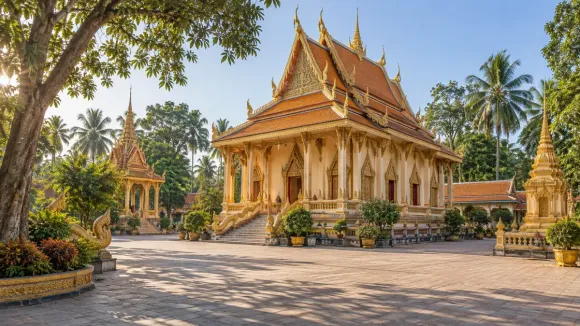
A temple roof rises between the trees; nearby, ordinary neighbourhood life carries on. That relationship between sacred space and daily life is the reason to explore Tra Vinh Khmer pagodas. Rather than collecting temple photographs, build a visit around a few places that explain one another: Ang Pagoda, Ba Om Pond, the Khmer cultural museum and, if time allows, Hang Pagoda.
This is a cultural detour for travellers who enjoy architecture, local stories and an unhurried pace. It works particularly well with an overnight stay, giving you time to appreciate the delta without squeezing every experience between long road transfers.
Tra Vinh's heritage reflects Khmer, Kinh and Hoa communities. Khmer Buddhist pagodas are part of that living cultural landscape, not isolated monuments built for sightseeing. Religious practice, education, art and community relationships give these compounds meaning beyond their decoration.
A knowledgeable guide can help you distinguish an architectural observation from a religious interpretation. Ask what a particular building is used for, whether visitors may enter and how the community maintains it. Avoid assuming that every golden ornament means the same thing, or that everything visible is ancient.
Sources sometimes give different totals for the region's temples. For a visitor, the number matters less than the quality of access and explanation. Two thoughtful visits usually offer more than a rushed circuit of five compounds.
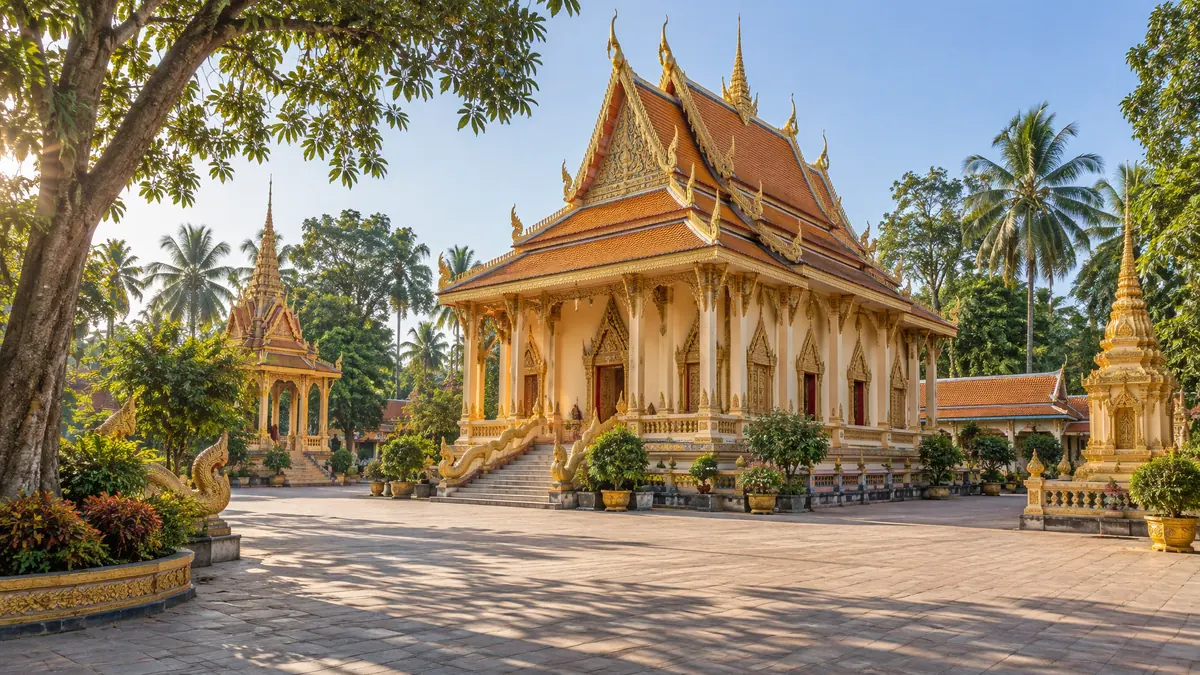
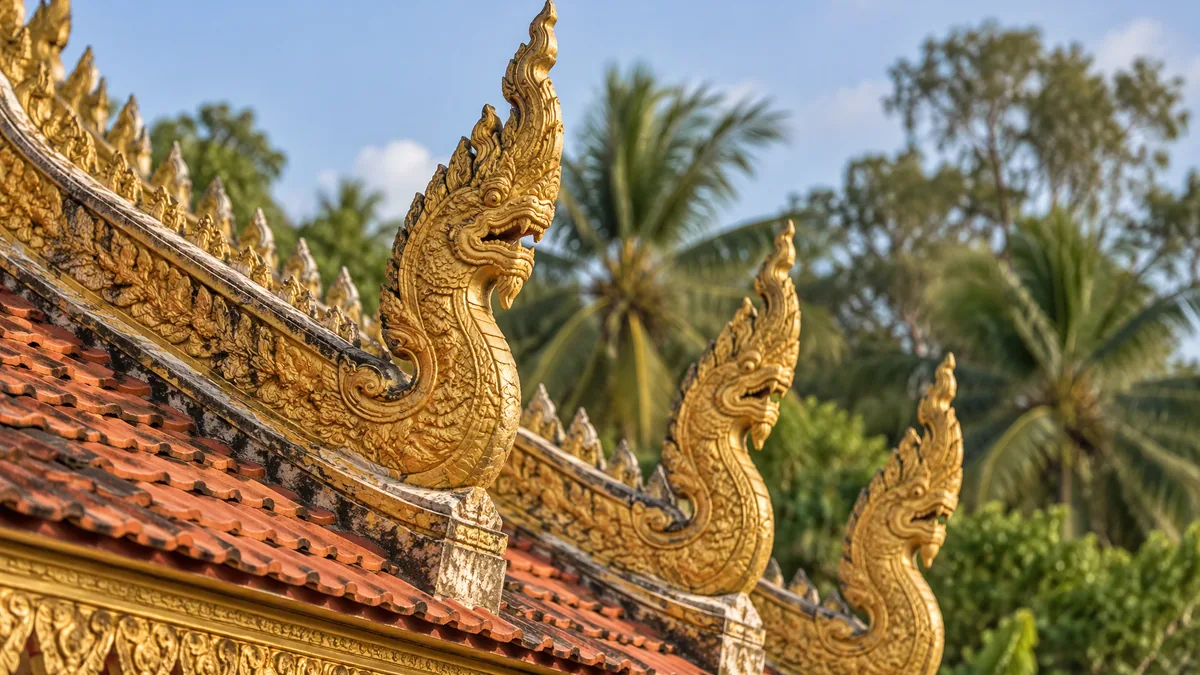
Ang Pagoda, also known as Angkorajaborey, is a natural starting point near Ba Om Pond. Its Khmer architectural character rewards a close look at the roofline, layered forms and decorative details. Begin outside, where you can see how the buildings sit within their tree-filled setting.
Then follow your guide's advice about entry. A hall that welcomes visitors at one moment may be occupied by worship or another community activity later. Do not treat an open door as automatic permission to walk inside or photograph everything.
Rather than seeking a single perfect shot, notice contrasts: bright ornament against old bark, shaded walkways beside sunlit walls, and practical spaces around ceremonial buildings. These details make the visit feel connected to a place rather than detached from it.
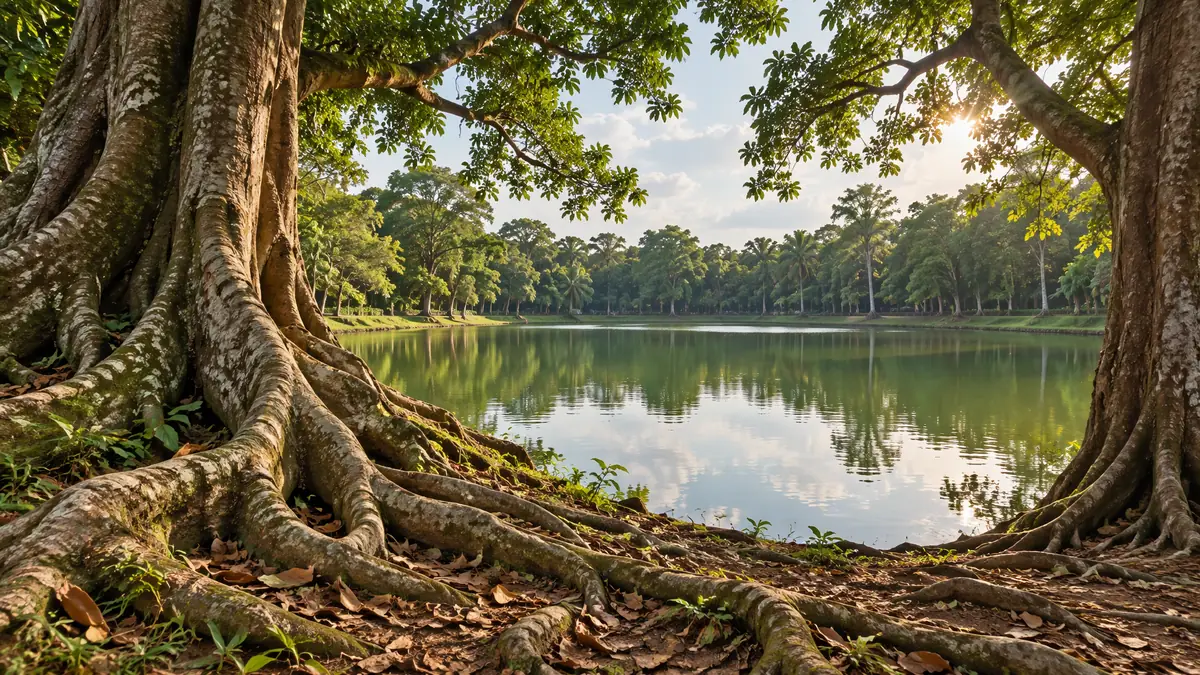
Ba Om Pond is not simply the background for a temple stop. Its water, mature trees and exposed roots offer a different rhythm after looking at architecture. Walk a comfortable section of the shaded bank and pause instead of insisting on a complete circuit.
Local stories associated with the pond are part of its appeal. Listen to them as stories, with their cultural significance intact, rather than turning a legend into a verified historical claim. Your guide can explain how the area relates to Khmer community life.
The large roots also call for practical care. Watch your footing, especially after rain, and avoid climbing or damaging trees for photographs. A slower pace is better for both the place and your knees.
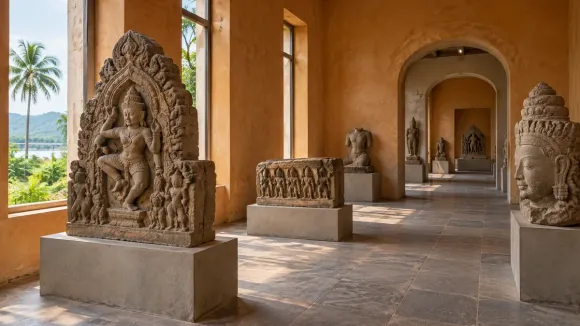
The Khmer cultural museum near the Ang Pagoda and Ba Om Pond area can help connect visual impressions with everyday practices. Instead of trying to absorb every display, choose a few themes: religious objects, clothing, household life or traditional tools.
Ask your guide to translate relevant labels and explain how an object was used. A short conversation about one unfamiliar item can be more useful than a fast walk through every room. Keep questions specific and allow room for uncertainty when an explanation is not available.
Confirm the museum's current opening arrangements before travelling. A permanent published timetable and guaranteed access were not established for this guide. If it is closed, extend the pond visit or take a relaxed town walk; do not build the whole day around an unconfirmed indoor stop.
Hang Pagoda, also called Kom Pong Chrai, offers another perspective on Khmer spiritual and artistic life. Vietnam's official tourism guidance highlights wood sculptures associated with the temple, while local visitor information describes its wooded setting.
That does not mean a carving demonstration is guaranteed. Treat the visit as an opportunity to see the compound and understand its role, with workshop access or conversations dependent on permission and what is happening that day.
If you arrive late, feel tired or encounter a community event that restricts access, leave it for another visit. Tra Vinh is most rewarding when it is not reduced to a checklist.
The following sequence is a planning suggestion, not a confirmed departure schedule:
| Part of the day | Focus | Adjustment to keep in reserve |
|---|---|---|
| Morning | Ang Pagoda, followed by Ba Om Pond | Reverse the order if worship or heat makes that preferable |
| Late morning | Khmer cultural museum, if open | Spend longer in the shaded pond area |
| Lunch | A comfortable local restaurant and a proper rest | Discuss dietary needs before ordering |
| Afternoon | Hang Pagoda or a gentle town walk | Finish early if rain or fatigue changes the plan |
Arriving the previous afternoon avoids making every stop compete with the journey from Ho Chi Minh City. Tra Vinh can also form part of a longer Mekong route, but confirm the actual road connections, transfer times and overnight location with your organiser. Do not assume a river map is a practical transport timetable.
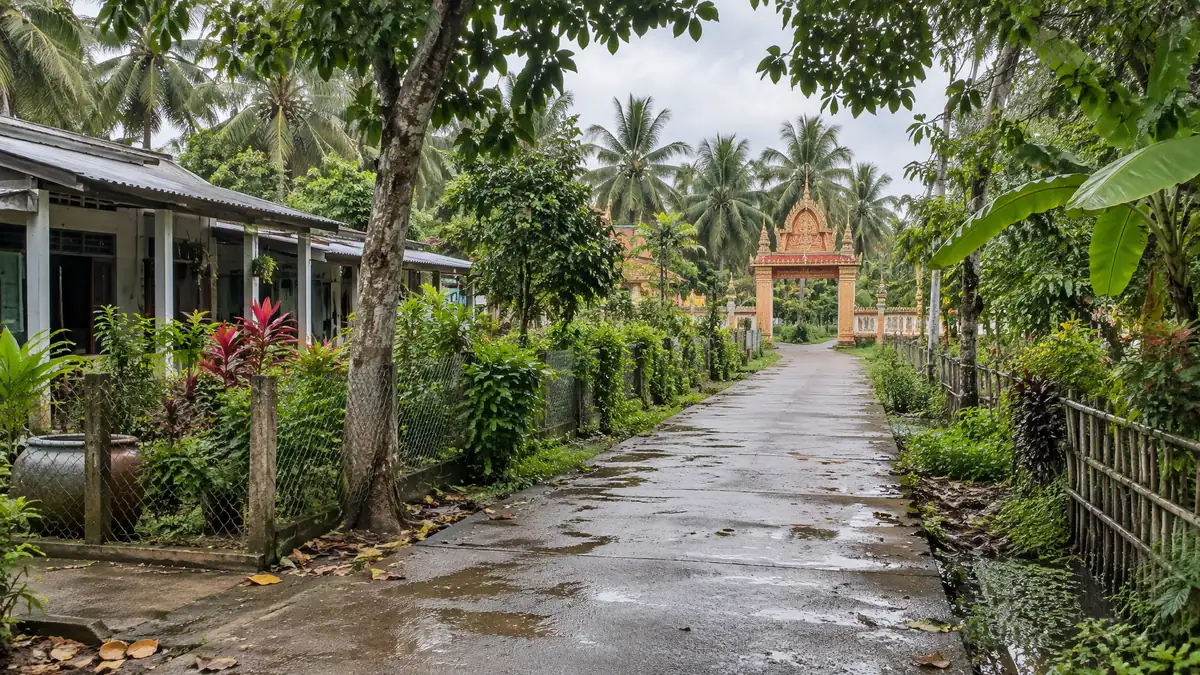
Cover shoulders and knees for temple visits and remove shoes where instructed. Speak quietly, keep entrances clear and ask before photographing people, ceremonies or interior spaces. Do not pose with sacred objects or interrupt monks for a photograph.
Wear comfortable shoes that are easy to remove. Carry drinking water, a hat, insect repellent and a light raincoat; paved paths and tree roots can become slippery when wet.
The official regional climate guide describes December to April as generally hot and sunnier, with sporadic rain and humidity from May to November. These are seasonal patterns, not a forecast. Check conditions close to departure, prioritise outdoor walking earlier and keep a weather backup. Festival access and dates should also be confirmed locally rather than assumed from an old calendar.
Yes, if you want Khmer heritage, architecture and ordinary town life. This route deliberately focuses on culture rather than recreating a floating-market excursion.
You can plan a heritage day around Ang Pagoda, Ba Om Pond and optional additional stops. Staying nearby first gives you more flexibility than a long same-day return from Ho Chi Minh City.
A guide is particularly helpful for cultural context, translation and permission checks. Independent visitors should still verify transport and current access before setting out.
Do not assume so. Worship, community activities or changing opening arrangements can affect access. Confirm each stop and keep alternatives available.
It can be adapted with shorter walks, more rest and fewer stops. Discuss steps, uneven roots, toilets and vehicle access individually; do not assume every area is accessible.
Choose modest clothing covering shoulders and knees. Follow local instructions about shoes and photography, and carry a light extra layer if your daytime outfit needs adapting.
Tra Vinh adds something a boat ride alone cannot: time to understand the communities whose lives shape the Mekong landscape. Keep the route small, allow access to change and make curiosity more important than your photograph count.
👉 Contact C Vietnam Tours to plan a personalised Mekong heritage extension 👉 Or browse our Vietnam tour packages to combine cultural discovery with your wider journey.
Vietnam Classic 7 Days Tour – Best Highlights from North to South
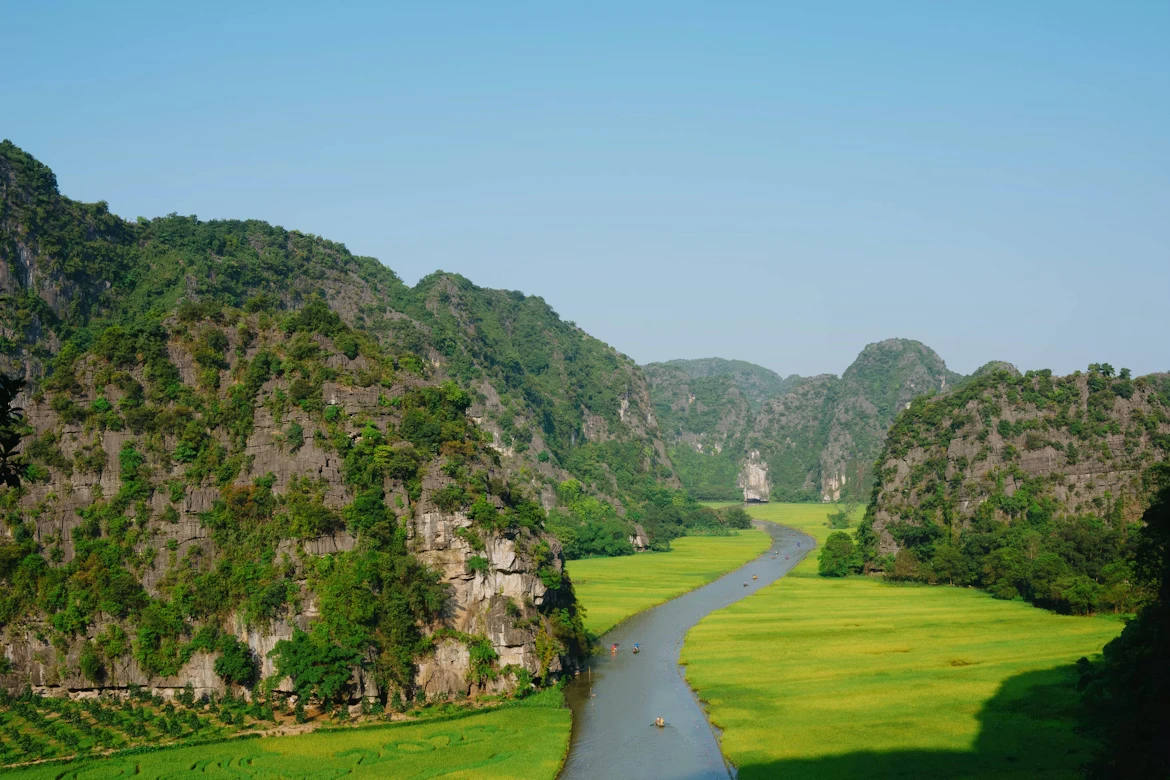
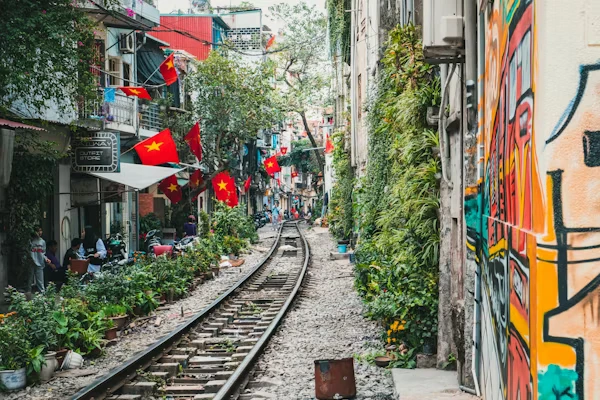
Vietnam Explorer 9 Days From North to Central
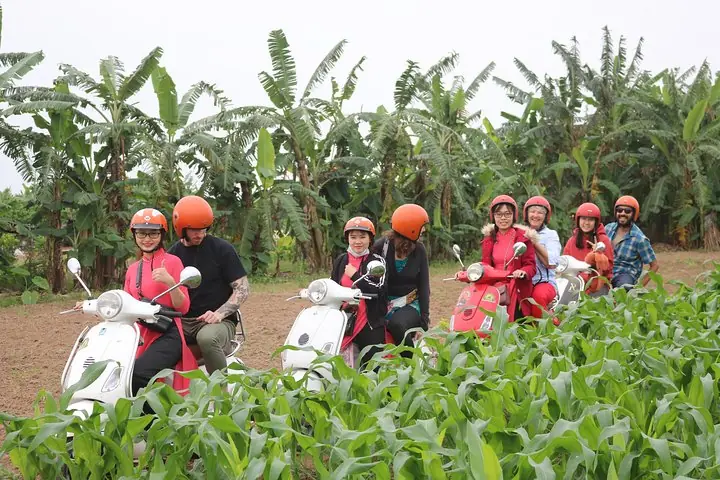
Hanoi Countryside Vespa Adventure – Half-Day Rural Experience
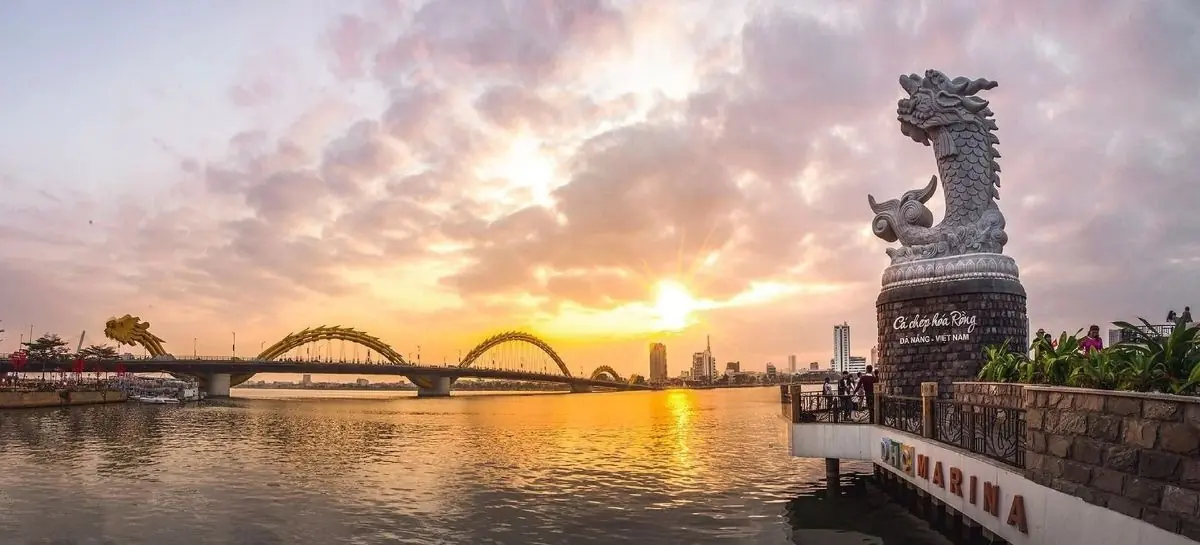
Danang Beach Break 4 Days | Relaxing Da Nang Beach Holiday Tour
Vietnam Family Adventure with Kids 8 Days Journey
Best A Luoi Tour Package from Hue – Authentic Highland Experience
Northern Vietnam Trekking Tour: Mai Chau, Pu Luong & Ninh Binh