Ho Chi Minh City, commonly known as Saigon, is the largest and most vibrant city in Vietnam. It’s a place where old-world charm meets rapid modernization — where French colonial architecture, ancient temples, and modern skyscrapers blend seamlessly.
Whether you’re a history lover, foodie, or adventure seeker, Saigon has something for everyone. Here are the top 10 attractions you shouldn’t miss when visiting this bustling southern metropolis.

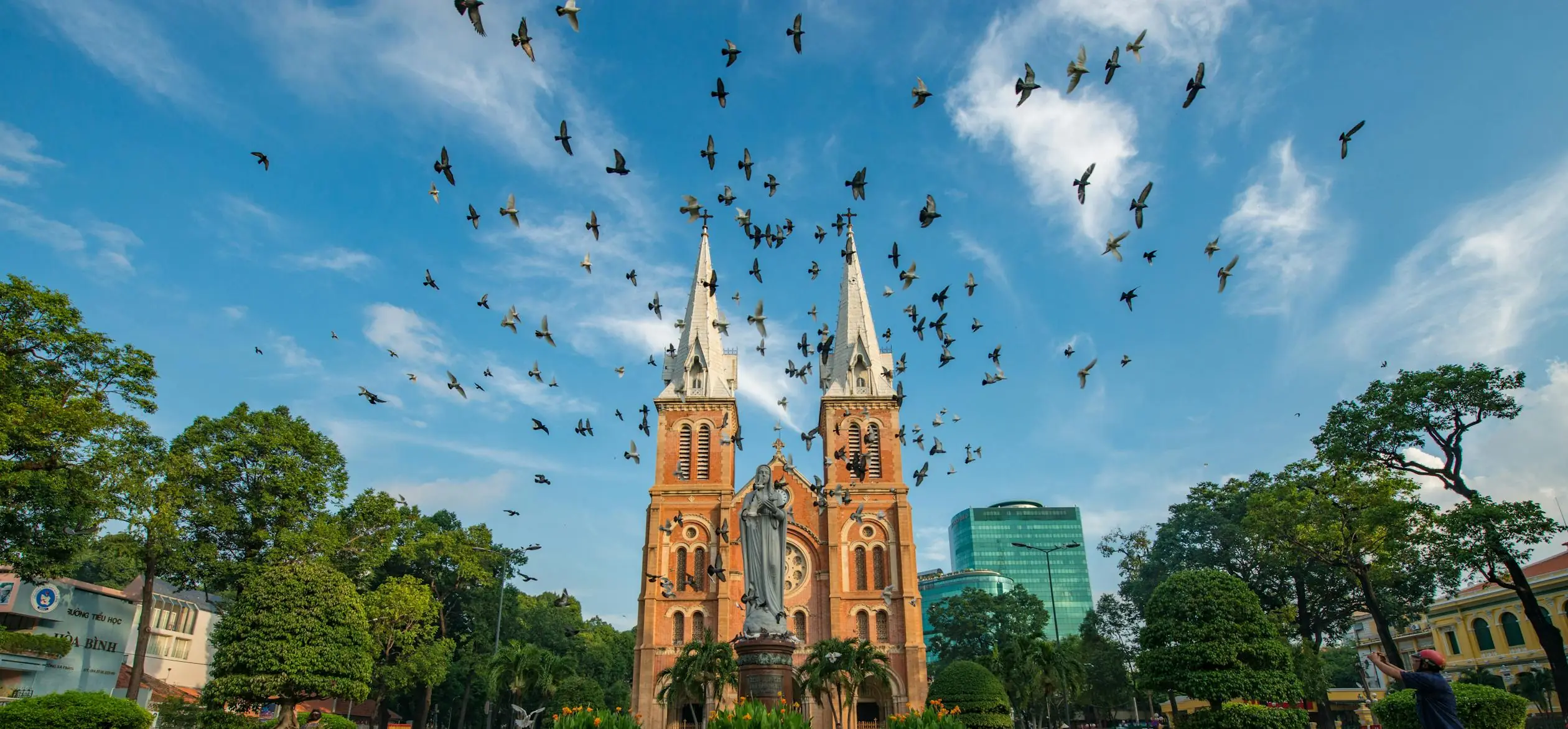
Located in the heart of District 1, the Notre-Dame Cathedral Basilica is one of the city’s most iconic landmarks. Built in the late 19th century by French colonists, this red-brick cathedral showcases stunning neo-Romanesque architecture.
It stands as a reminder of Saigon’s colonial past and serves as a peaceful retreat amid the urban rush.

Just across from the cathedral lies another architectural gem — the Saigon Central Post Office. Designed by Gustave Eiffel, it features beautiful arched ceilings, tiled floors, and vintage telephone booths.
Inside, you’ll find a massive portrait of President Ho Chi Minh and historical maps of the city. It’s a perfect stop for taking photos or sending a postcard home.

A trip to Saigon wouldn’t be complete without visiting Ben Thanh Market, one of the city’s oldest and busiest markets.
Here, you can shop for souvenirs, traditional handicrafts, clothing, and delicious Vietnamese snacks. Don’t forget to try banh xeo (Vietnamese pancake) or che (sweet dessert soup) at the food stalls inside.

For those interested in history, the War Remnants Museum offers a sobering yet educational experience. The museum displays photographs, artifacts, and military equipment from the Vietnam War, providing deep insight into the country’s past.
Although emotional, it’s one of the most visited sites in Vietnam and a must for understanding the resilience of the Vietnamese people.

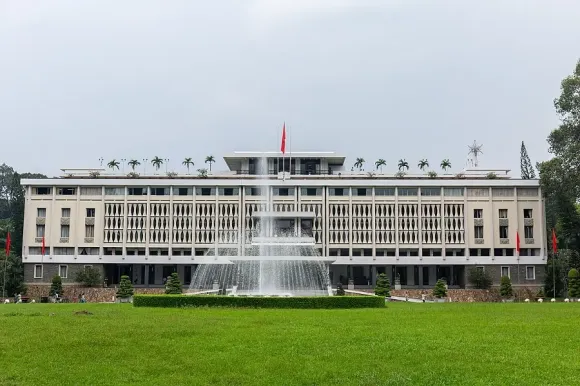
The Reunification Palace, formerly known as the Presidential Palace, played a key role during the Vietnam War. On April 30, 1975, tanks crashed through its gates, marking the end of the war and the reunification of Vietnam.
Today, the palace is a museum showcasing well-preserved rooms, war command centers, and secret bunkers — offering a fascinating glimpse into history.
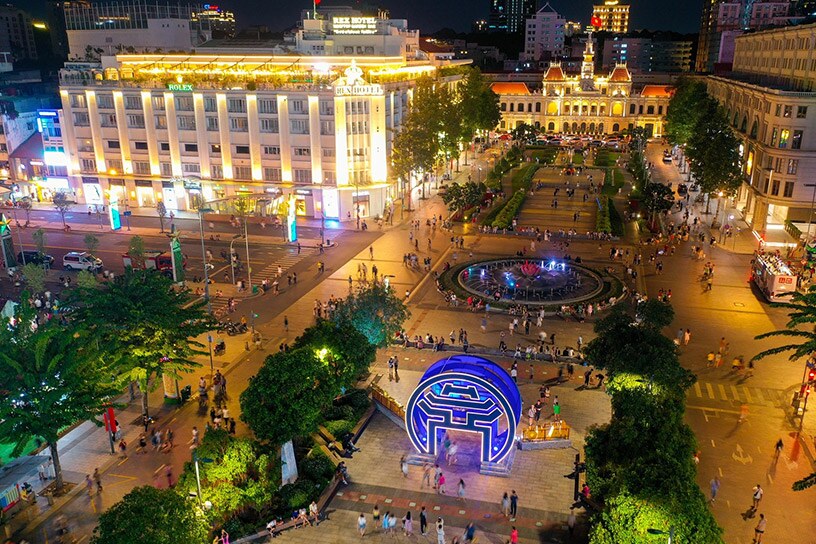
Located in District 1, Nguyen Hue Walking Street is the most popular public space in Ho Chi Minh City. Every evening, locals and tourists gather here to enjoy street performances, light shows, and the city’s vibrant nightlife.
From here, you can admire the People’s Committee Building, the Bitexco Tower, and many cafes and rooftop bars offering stunning city views.

As one of the tallest skyscrapers in Vietnam, the Bitexco Financial Tower is a symbol of modern Saigon. Visitors can head to the Saigon Sky Deck on the 49th floor for panoramic views of the entire city.
At night, the skyline glows with energy — a perfect spot for photography or a romantic date above the bustling streets below.

For a spiritual escape, visit the Jade Emperor Pagoda, one of Saigon’s most revered temples. Built in the early 20th century, it features intricate carvings, statues of deities, and the distinct aroma of incense.
Former U.S. President Barack Obama famously visited this temple in 2016, further boosting its global recognition.

The Saigon Opera House, built in 1897, is a magnificent example of French colonial architecture. It hosts performances ranging from ballet and opera to contemporary art shows like “A O Show,” which combines acrobatics and Vietnamese culture.
Even if you don’t attend a performance, the building itself is worth admiring, especially when lit up at night.

Known as Saigon’s “Backpacker District,” Bui Vien Street is famous for its energetic nightlife. Here you’ll find bars, clubs, live music, and a diverse mix of people from around the world.
It’s the perfect place to unwind after a long day of sightseeing and experience the city’s dynamic and youthful atmosphere.
If you have extra time, consider exploring beyond the city:
Cu Chi Tunnels – A historical underground network used during the Vietnam War.
Mekong Delta – Take a boat trip through coconut groves and floating markets for a glimpse of rural life in southern Vietnam.
Best time to visit: December to April (dry season) for pleasant weather.
Getting around: Use ride-hailing apps, taxis, or rent a motorbike for short distances.
Stay hydrated: The city can be hot, so carry water and wear sunscreen.
Be cautious when crossing streets: Traffic can be hectic, but drivers are used to pedestrians.
Ho Chi Minh City is a destination that captures the essence of Vietnam — energetic, resilient, and full of life. From historical landmarks to modern entertainment hubs, every corner of Saigon offers a new experience.
Whether you’re here for culture, history, food, or nightlife, these 10 must-visit attractions will help you discover the soul of this dynamic city.
Once you experience Saigon’s charm, you’ll understand why it continues to capture the hearts of travelers from around the world.
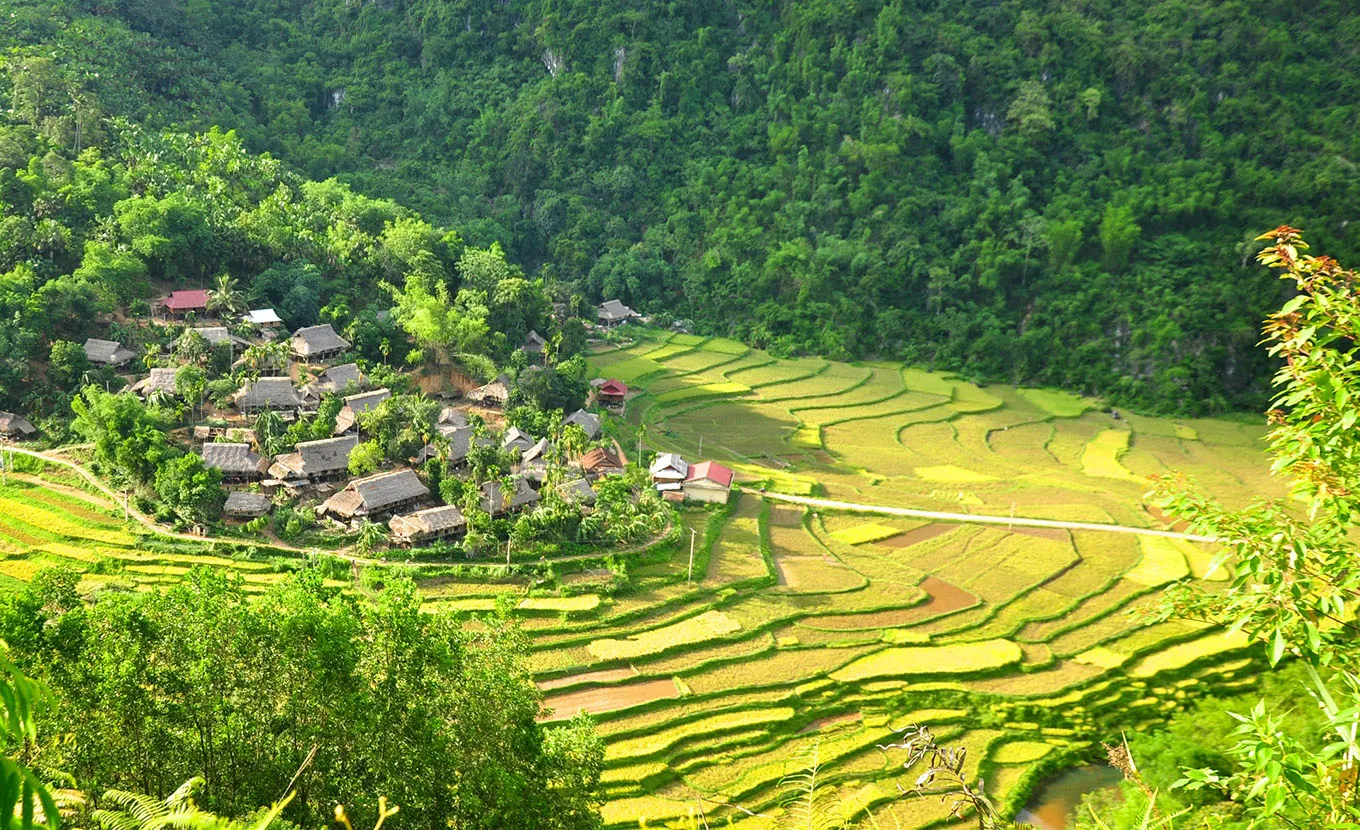
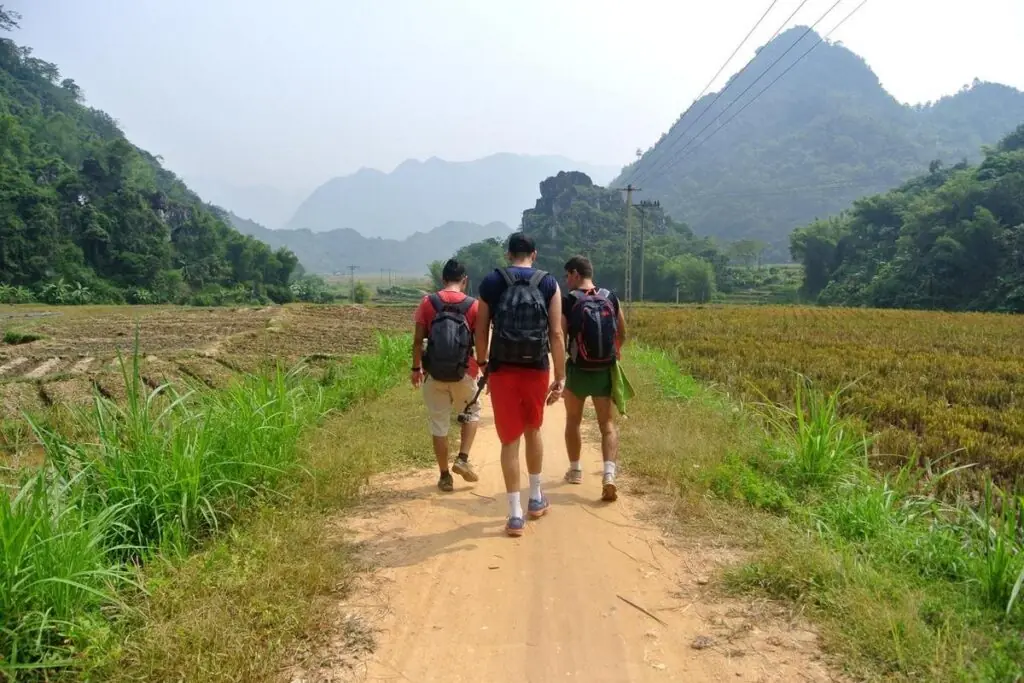
Pu Luong & Mai Chau Trekking Experience – Authentic Northern Vietnam
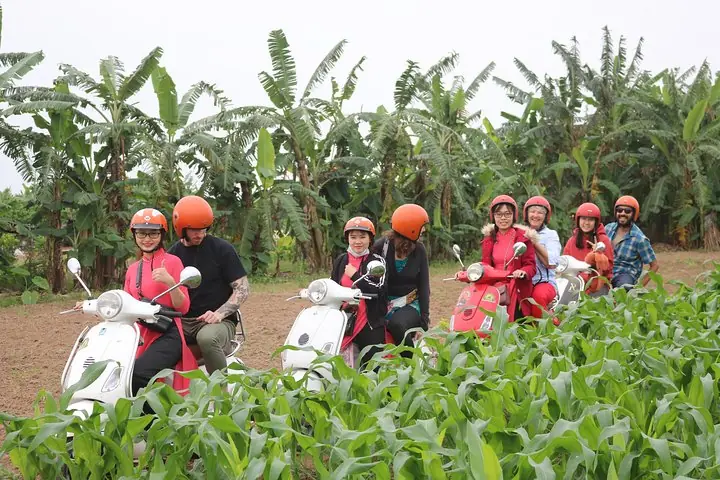
Hanoi Countryside Vespa Adventure – Half-Day Rural Experience

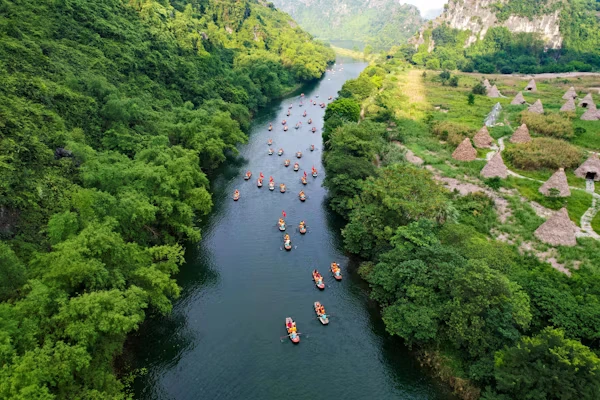
Highlights of Vietnam from North to South 12 days
Danang Beach Break 4 Days | Relaxing Da Nang Beach Holiday Tour