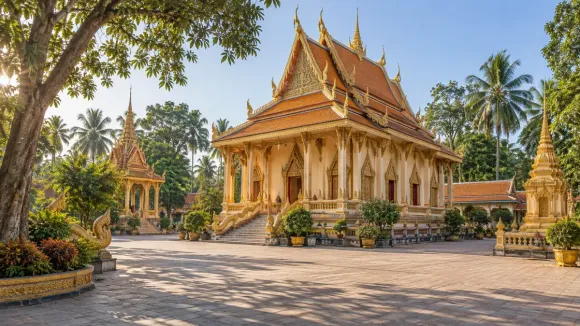
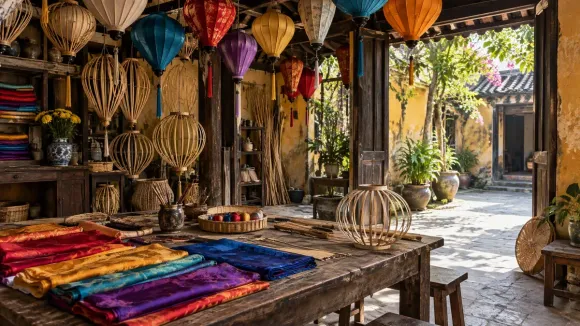
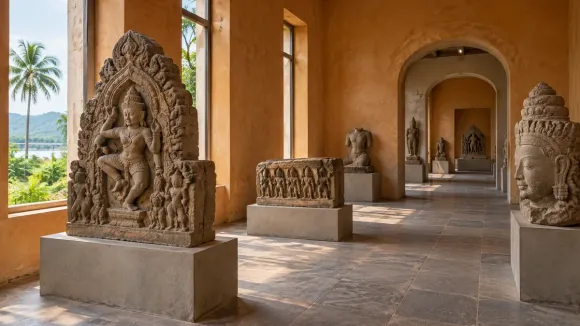
Explore Da Nang Cham Museum with a sculpture-viewing route, practical visiting checks and ideas for combining cultural discovery with a relaxed beach stay.
Look closely at one carved stone before rushing to the next room: a small detail can change how you see an entire coastline.
Build this cultural stop into a tailored Da Nang city itinerary, or combine it with a wider Vietnam tour package. Understanding the historic kingdoms of Champa adds context before you step into the galleries.
Da Nang is often introduced through beaches, bridges and resort pools. Its Museum of Cham Sculpture offers a different starting point: the carved remains of religious buildings and artistic traditions that shaped central Vietnam long before today's skyline. You do not need specialist knowledge to enjoy it. You need enough time to pause, a little historical context and a route that does not turn every object into another item on a checklist.
This guide focuses on a manageable museum visit and a flexible half-day around it. It is not a promise of a particular gallery layout, guided service or sightseeing schedule. Check current arrangements before travelling, then let the museum provide the cultural depth your beach holiday might otherwise miss.
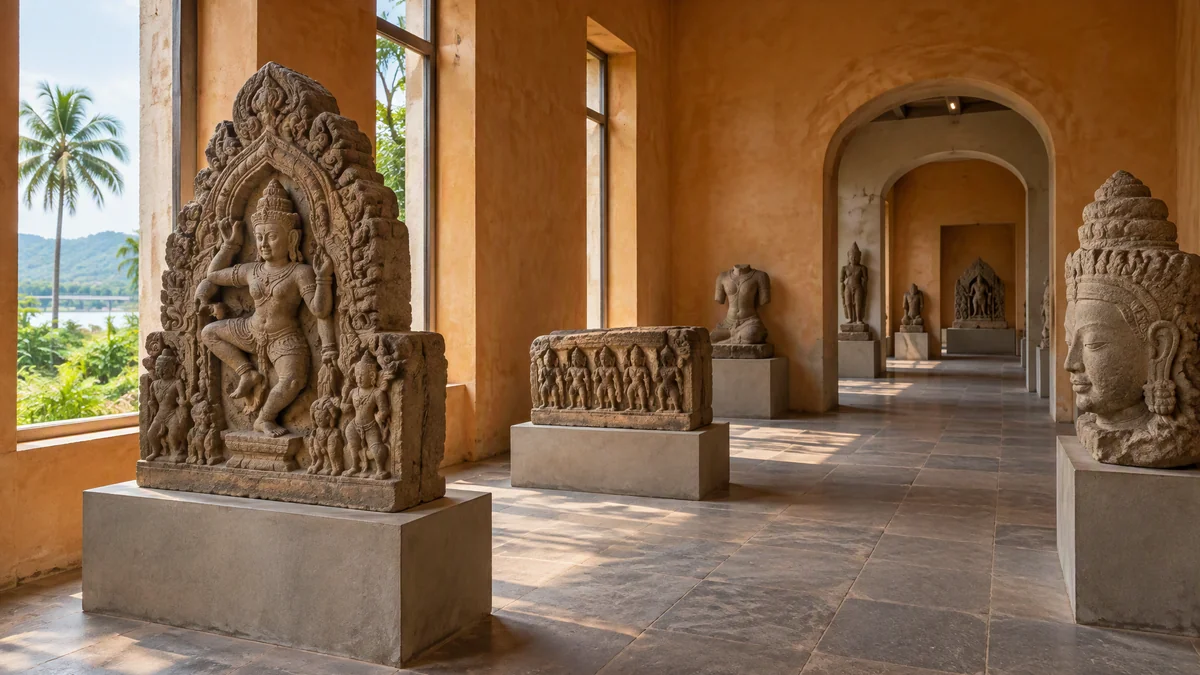
The Da Nang Cham Museum is the familiar short name for the Museum of Cham Sculpture. It stands on 2 Thang 9 Street, close to the Han River and the western end of Dragon Bridge. That central setting makes it easier to plan as a deliberate outing rather than an exhausting full-day excursion.
The city's tourism portal records construction beginning in 1915 and the museum opening to the public in 1919. Its collection brings together sculpture associated with sites across central Vietnam. Galleries linked to Tra Kieu, My Son, Dong Duong and Thap Mam offer useful geographical anchors, although the objects and access available on your visit may vary.
Think of the museum as a meeting point between architecture, religion and craftsmanship. A carved fragment may once have belonged to a temple rather than been created as a standalone artwork. Its original setting matters as much as its appearance today.
Instead of trying to memorise every deity or dynasty, use three questions throughout the visit. This works especially well for first-time visitors and mixed-interest couples travelling together.
Begin with shape and material. Notice the depth of a carving, the curve of a leaf, the weight suggested by an animal or the contrast between smooth and weathered surfaces. Stand back for the overall composition, then move closer without touching the object or its support.
You are not taking an art-history exam. Describing what you see is enough to begin a conversation with a guide or make the label more meaningful.
Read the place name before worrying about dates. Comparing pieces associated with different sites can help you see that Cham art is not one uniform style. The museum's geographical organisation provides a starting point, not an invitation to treat every room as identical.
If you later visit the temple landscape of My Son, you will have a better reason to look at architectural details rather than simply photograph brick towers. The museum and the archaeological site complement each other; neither replaces the other.
Ask whether an object was part of a pedestal, doorway, decorative programme or religious image. Hindu and Buddhist themes both appear in the collection. Let the label or guide explain the identification instead of assigning a familiar name to every figure.
Also remember that contemporary Cham communities have living traditions. The historical kingdom and the people who preserve cultural practices today should not be reduced to a vanished civilisation frozen in a display case.
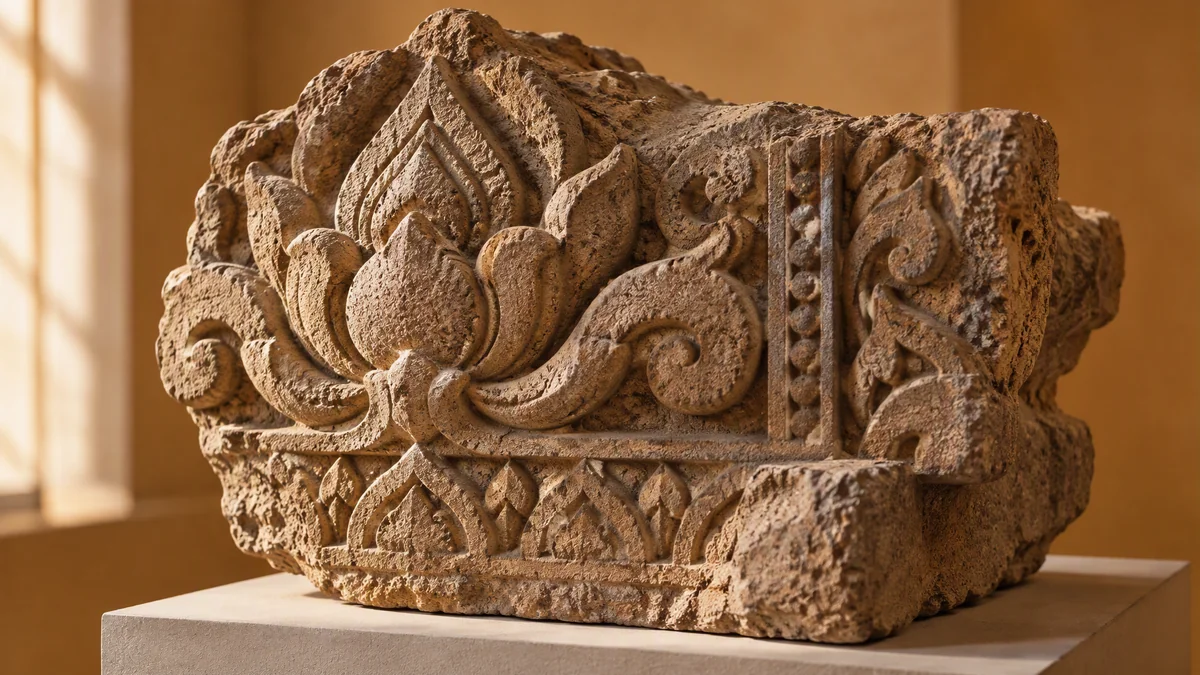
Allow roughly 60–90 minutes for an unhurried first visit; that is a planning suggestion, not an official duration. Travellers with a strong interest in art may prefer longer. Choose fewer objects and give them attention rather than trying to photograph the entire collection.
Start by getting your bearings. Select two or three galleries that interest you, then compare a small number of works. Finish with one object you want to revisit. Returning to it after seeing the rest often reveals something you missed initially.
The city tourism portal describes audio information in Vietnamese, English and French, accessed through the museum's Wi-Fi and browser-based service. It also describes advance arrangements for guided groups. These are published service descriptions, not a guarantee for your date. Confirm availability, language, group requirements and any fees before relying on them.
Bring charged headphones if an audio service is important to you. If you prefer conversation, ask your travel planner for a guide comfortable discussing Cham heritage, not just organising transfers.
Opening information is inconsistent across published sources. The city tourism portal's older listing gives split morning and afternoon hours and a Monday closure, while a local operator's guide describes daily opening. Do not build your day around either without reconfirmation, especially on Mondays or public holidays.
Use this short booking checklist:
Wear comfortable shoes and neat clothing. Published visitor rules prohibit touching exhibits, flash photography and tripods, and restrict eating and drinking in galleries. Follow the instructions displayed when you arrive. Ask permission before any professional filming; do not assume a normal entry ticket covers it.
After the museum, resist adding three more major attractions. One contrasting experience is usually enough.
| Your priority | A sensible pairing | What to check |
|---|---|---|
| A gentle city outing | Lunch and a short Han River stroll | Heat, rain and comfortable crossing points |
| Beach time | Return to your beach hotel after the galleries | Sea conditions before swimming |
| More stone and sacred architecture | A separately planned Marble Mountains visit | Stair demands, footwear and wet surfaces |
A local operator markets a roughly four-hour Marble Mountains and Cham Museum combination, which shows that the pairing exists in practice. It does not make every departure, inclusion or pickup arrangement available through every company. Request a written programme suited to your pace.
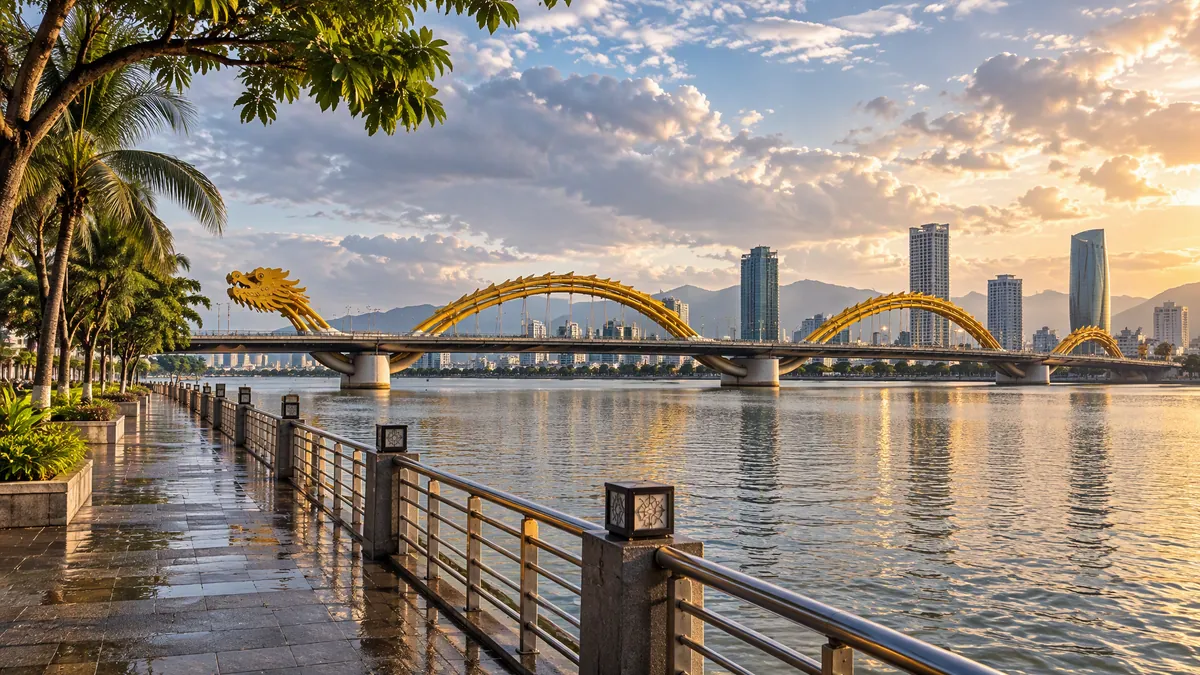
For a calmer day, make the museum your main appointment and leave the rest open. A riverside pause can help you process what you have seen. In hot or wet weather, choose a short vehicle transfer rather than insisting on a long walk.
Beach time belongs to a separate decision. A pleasant sky does not guarantee safe water. Follow local warnings and lifeguard advice, and switch to a café or hotel break if conditions are unsuitable.

The strongest reason to visit is the perspective it adds to central Vietnam. Da Nang can become more than a convenient base between a beach and Hoi An: it can be where you begin to recognise the region's layered cultural history. Keep the visit focused, verify practical details and leave space afterwards for your own reflections.
Yes, if you enjoy looking closely at art. Labels and available audio information can help. A knowledgeable guide adds context, but availability should be confirmed in advance.
Plan around 60–90 minutes for a focused first visit, plus transport. This is a suggested pace rather than an official museum requirement.
Confirm directly before travelling. Published opening schedules disagree, including whether Monday closure applies; an old online listing is not enough to settle your date.
Follow current on-site instructions. Published rules prohibit flash and tripods, and special filming needs permission. Never touch or climb onto an exhibit support for a photograph.
No. The museum encourages close viewing of sculpture; My Son provides an archaeological landscape. Combine them on separate outings if your interests and schedule allow.
It can be, with a short visit and simple observation games. Keep children away from exhibit supports, respect quiet gallery behaviour and plan a break afterwards.
👉 Contact C Vietnam Tours to plan a thoughtful Da Nang culture and beach break
👉 Or browse our Vietnam tour packages to connect Da Nang with the rest of your journey.
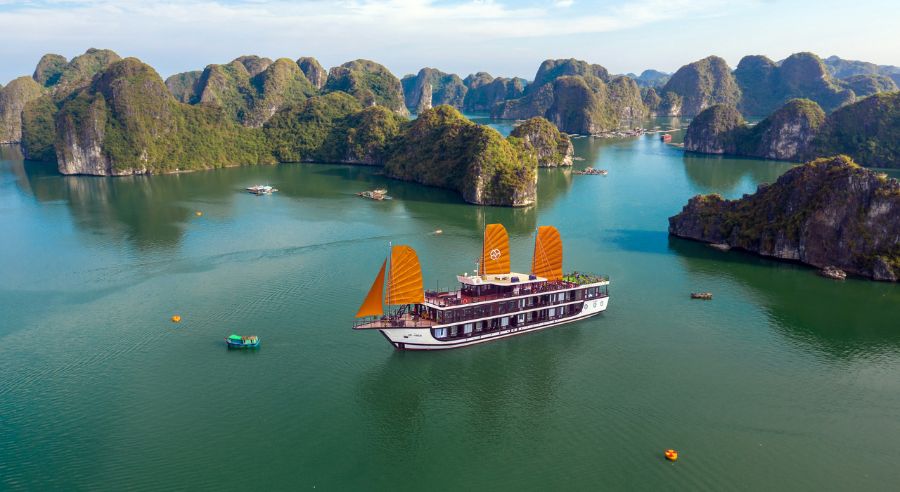
Peony Cruise Halong Bay 2 Days 1 Night – Luxury Overnight Cruise
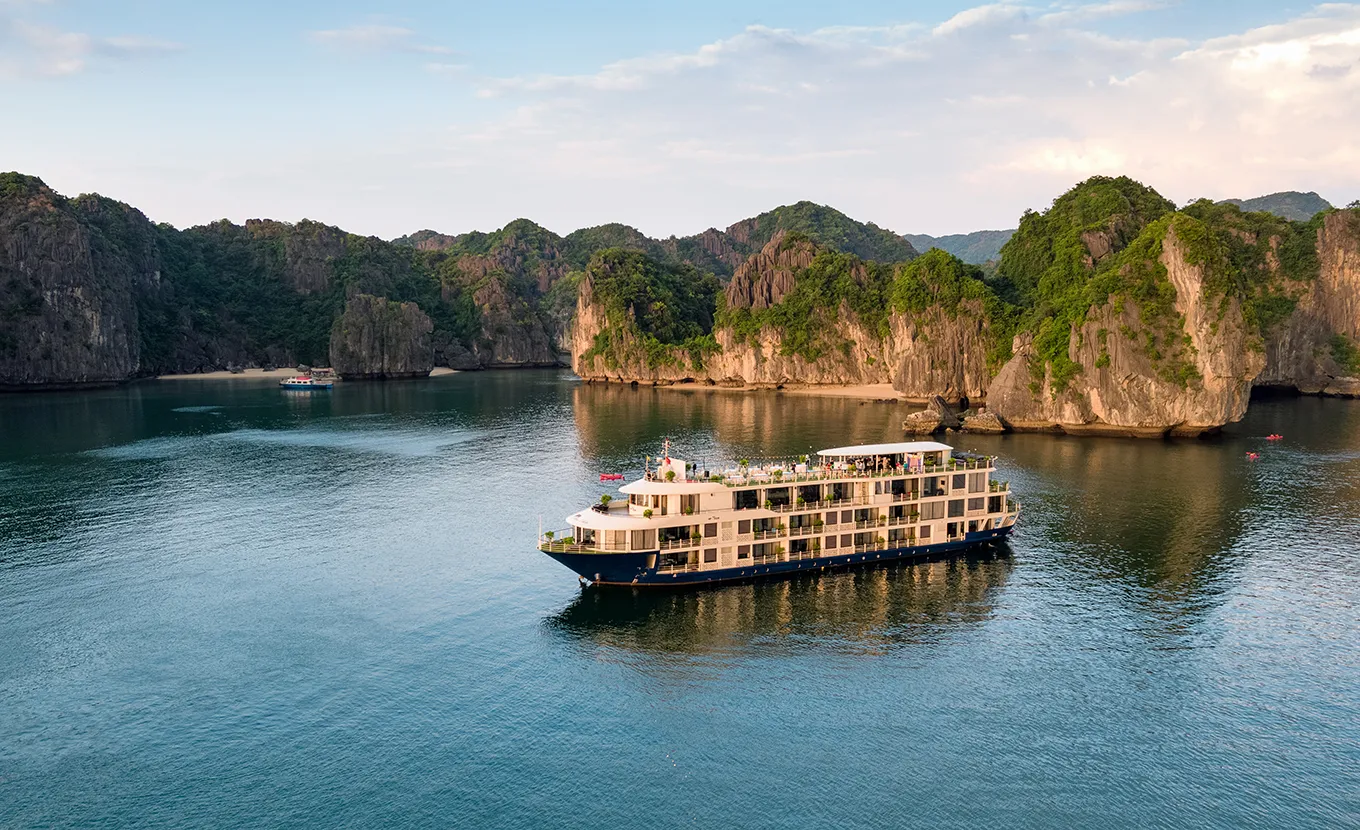
Mon Cheri Cruise 2 Days 1 Night Itinerary: Lan Ha Bay Experience
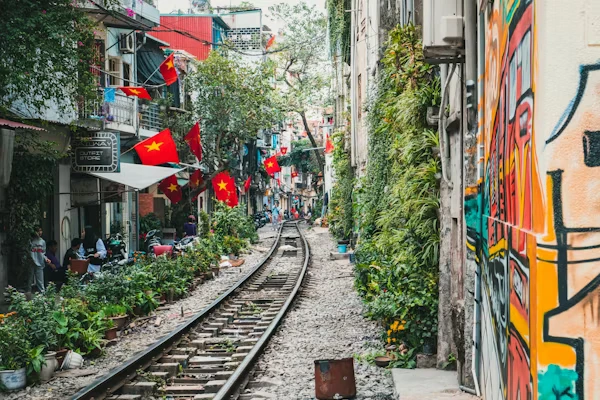
Vietnam Explorer 9 Days From North to Central

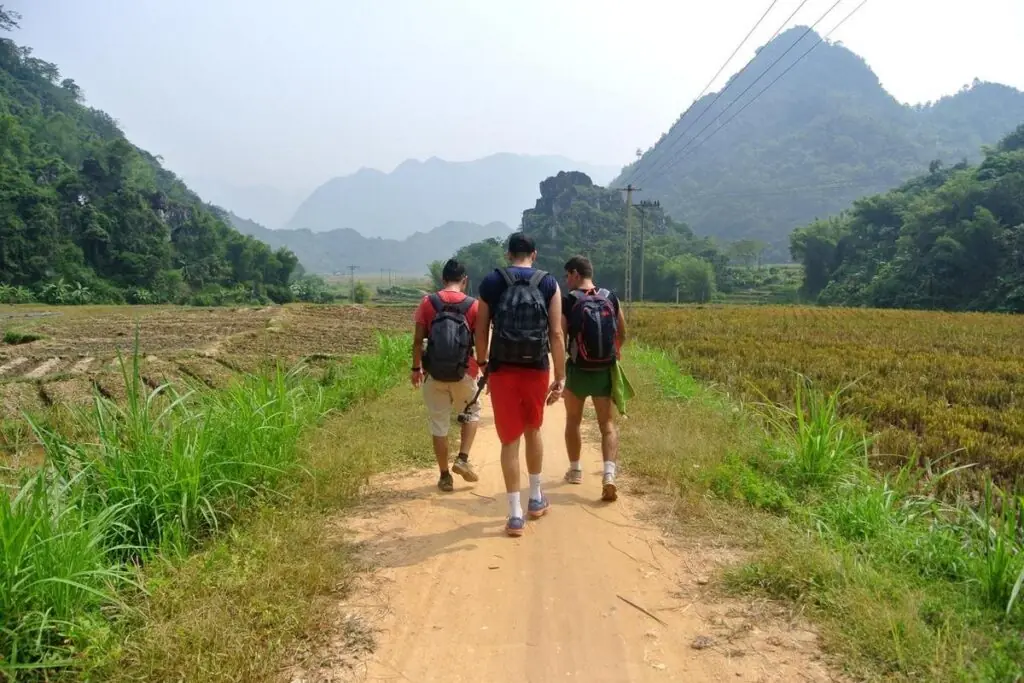
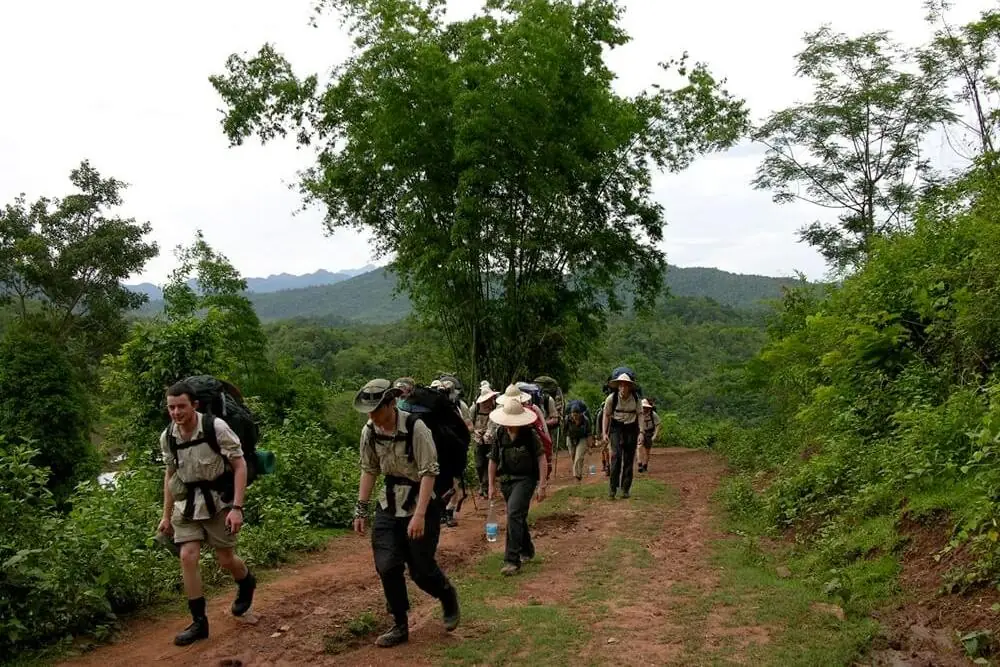
Northern Vietnam Trekking Tour: Mai Chau, Pu Luong & Ninh Binh