Plan a Can Tho slow travel itinerary with two nights, heritage visits, Con Son gardens and relaxed riverfront time, plus practical boat and weather tips.
Give Can Tho more than a dawn departure: its gardens, family kitchens and riverfront deserve daylight too.
Build this stay into a personalised Vietnam tour package, or ask C Vietnam Tours about a slower Mekong extension. For geographical context, explore the waterways of the Mekong Delta and the river city of Can Tho.
The usual decision is whether to leave Can Tho straight after breakfast. A better question is what you might notice if you stayed. A courtyard shaded by old trees, a garden lunch, and an evening watching river traffic can turn a brief excursion into a fuller encounter with southern Vietnam.
This Can Tho slow travel itinerary uses two nights and three flexible days. It suits travellers who value conversation, food and everyday landscapes over collecting attractions. The floating market remains an option, not the organising principle: the main experience is having enough time for heritage and hosted community visits without rushing between them.
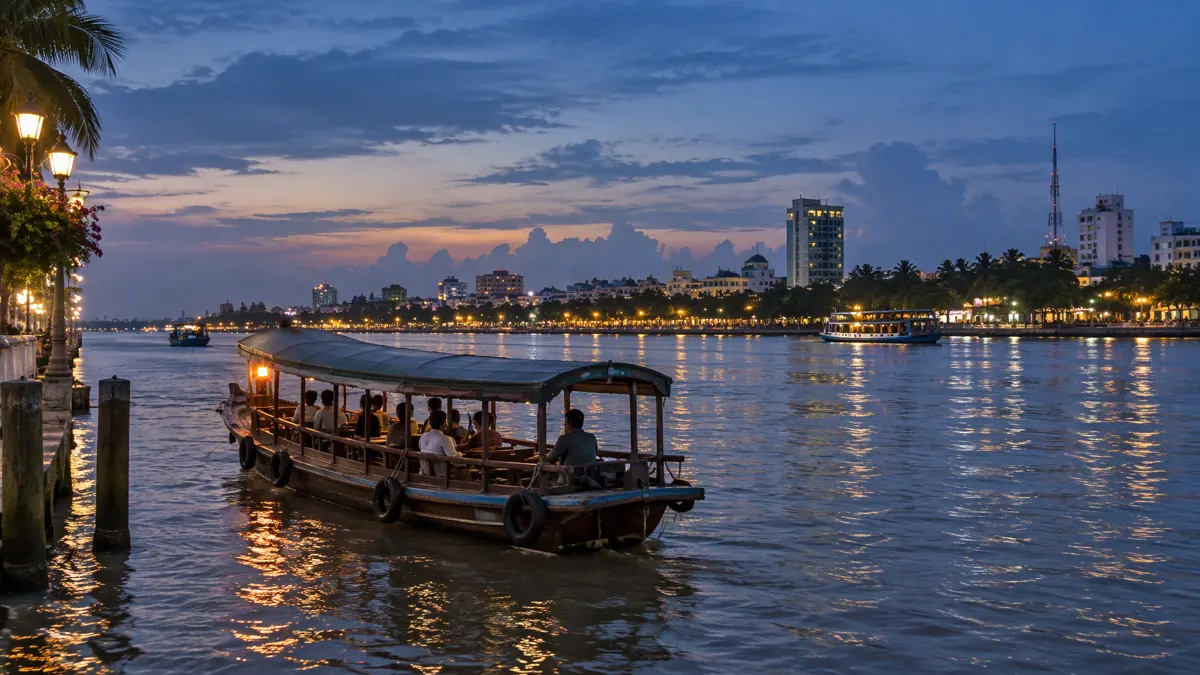
Stay near the Ninh Kieu waterfront if you want straightforward evening walks and a convenient meeting area for city activities. Before booking, ask about street noise, lift access and the actual distance from your room to the road where your driver can stop.
A garden-style property outside the centre may offer a quieter setting, but it usually adds transfers. Check whether meals are available on-site and whether the access path is manageable after rain. Neither location is automatically better; choose according to how independently you want to spend your evenings.
Arrange your arrival separately from your sightseeing. Road journeys from Ho Chi Minh City depend on traffic, stops and your precise starting point. Avoid scheduling a prepaid island visit immediately after a transfer. An unhurried itinerary starts with a buffer, not an ambitious arrival-day checklist.
| Part of the stay | Main idea | Keep flexible |
|---|---|---|
| Day 1 afternoon | Arrive, settle in and orient yourself | Traffic, check-in and energy levels |
| Day 1 evening | Ninh Kieu waterfront and dinner | Rain and restaurant availability |
| Day 2 morning | Binh Thuy heritage visit | Opening arrangements and access |
| Day 2 afternoon | Con Son hosted garden experience | Weather, river conditions and hosts |
| Day 3 morning | Slow breakfast or an optional early boat outing | Departure time and current operations |
Treat this as a sequence of possibilities, not a guaranteed operating schedule. Your guide should reconfirm visits, boat arrangements and host availability for your dates.
After checking in, keep the first outing short. Walk around the Ninh Kieu waterfront, stop for a drink and watch how passenger boats and working vessels share the water. The riverfront gives you an easy introduction without requiring another transfer.
Pick dinner for comfort as well as flavour. A restaurant with shelter, clear menus and freshly cooked dishes can be a better first-night choice than chasing a particular stall after a long journey. Ask your guide for southern specialties and explain allergies before ordering. Save the longer tasting adventure for a day when you are rested.
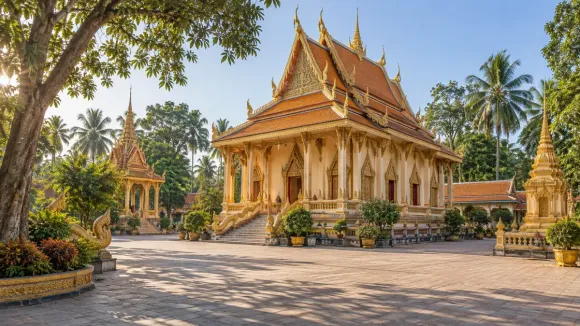
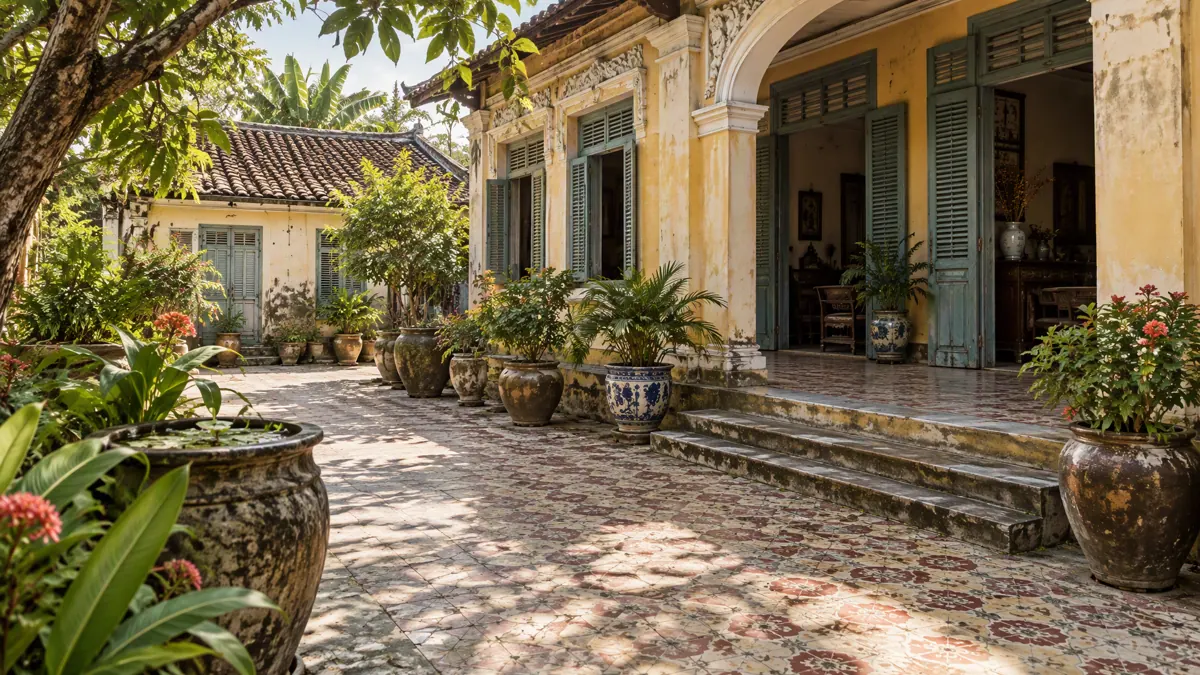
Vietnam's official tourism website identifies Binh Thuy Ancient House as a Duong family residence built in 1870. Its appeal lies in the meeting of architectural traditions, domestic history and the details that survive in a lived setting.
Visit with enough time to notice the veranda, decorative surfaces and arrangement of rooms rather than taking one photograph and leaving. Ask which spaces visitors may enter and whether photography is permitted inside. Furniture, objects and thresholds are not props: avoid touching displays or stepping across barriers.
Be precise when booking. Binh Thuy Ancient House and Binh Thuy communal house or temple are different heritage stops; some operator itineraries feature the latter. Ask for the exact attraction name in writing so your morning matches your interests. Confirm current admission arrangements rather than relying on an old timetable.
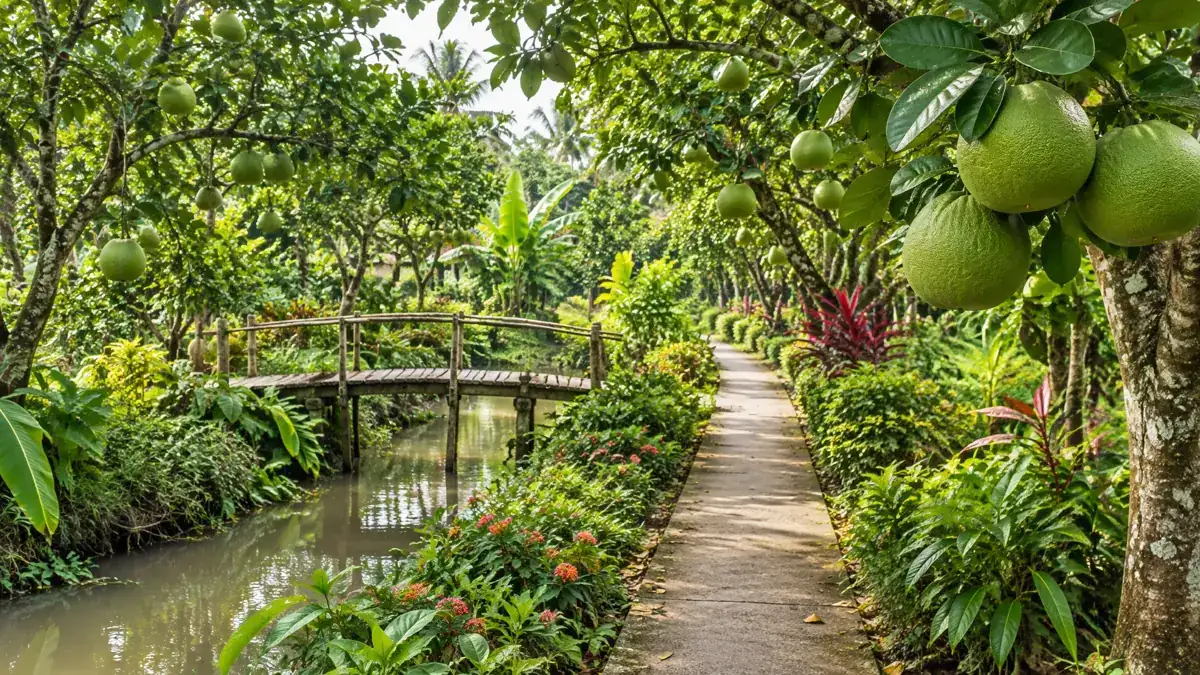
Con Son is an islet in the Hau River associated with orchards and community-based visits. The national tourism authority describes boat access from the Co Bac ferry area and experiences involving gardens and traditional southern cakes. Current local operator listings also offer hosted fruit and cake-making activities.
Choose two or three experiences that interest you instead of asking to include every demonstration. A garden walk, a cake-making session and time for tea can provide a more relaxed afternoon than moving constantly between households.
Ask whether fruit tasting is seasonal, how much walking is involved, and whether you will participate in cooking or simply watch. These distinctions matter. A garden visit does not guarantee a particular ripe fruit, and a kitchen demonstration is not necessarily a full cooking class.
Let your host lead the visit. Ask before photographing people or private rooms, pay agreed fees, and avoid requesting staged scenes. If an advertised programme includes animal-based entertainment that you would rather skip, say so before booking and ask for a garden or craft alternative.
Use the final morning according to your departure. Travellers curious about Cai Rang can arrange an early outing with a local operator; otherwise, enjoy breakfast and a short walk before checking out.
The official tourism guide places floating-market activity in the early morning, broadly around 4:30–8:00 a.m. That is a planning window, not a promise of busy trading at a fixed time. Confirm the departure pier, journey length and expected activity before committing. Do not add a dawn boat ride if it makes your onward transfer unnecessarily stressful.
Can Tho is warm and humid. The national tourism authority describes a broadly dry December–April period and wetter May–November months. Seasonal patterns help with packing, but they cannot predict conditions on your visit.
Carry sun protection, drinking water, a light rain layer and footwear with grip. Garden paths, boat steps and tiled courtyards can become slippery. Ask for a fitted life jacket, including the correct child size if relevant, before boarding. Tell your organiser about mobility limitations rather than assuming every boat or house has step-free access.
For heavy rain, unsafe river conditions or host cancellations, keep an alternative that does not depend on a boat: a sheltered meal, café break or a confirmed indoor heritage visit. Never pressure an operator to continue a crossing because it was on your original plan.
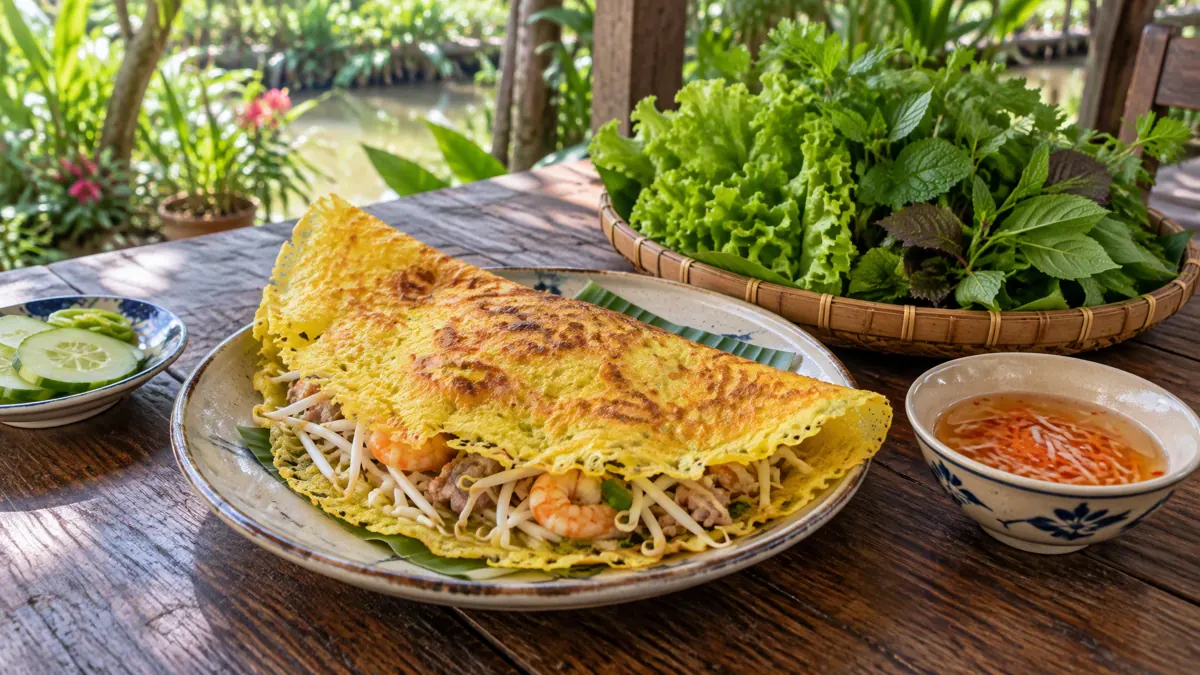
Banh xeo, the savoury pancake served with herbs and greens, is one approachable introduction to southern cooking. Explain dietary requirements clearly: fillings, sauces and cooking equipment may involve seafood, meat or fish sauce even when the dish looks vegetable-heavy.
Choose freshly prepared food and discuss drinking water and ice if you have concerns. At a hosted lunch, confirm the menu and timing beforehand. The best meal is not necessarily the longest banquet; it is one you can enjoy without watching the clock for your next transfer.
Yes, for a focused introduction. Two nights allow an arrival evening, a heritage-and-garden day and a flexible final morning. Add time if you want additional rural excursions.
Absolutely. This route works without it. Binh Thuy, Con Son and the waterfront offer a different emphasis, centred on architecture, gardens and hosted encounters.
Advance coordination helps confirm hosts, boat access, meals and language support. Ask for a written outline identifying included activities and weather alternatives.
It can be adapted, but suitability depends on walking distances, boat boarding and heat tolerance. Request shorter visits, rest breaks and appropriate safety equipment rather than relying on a generic family-friendly label.
No. Ripeness, the host's arrangements and your booking determine what is available. Confirm whether the experience includes tasting, picking or simply walking through the garden.
Check transfers, guide language, exact heritage stops, meals, boat safety, exclusions and cancellation terms. Ask how the programme changes if weather prevents a river crossing.
A slower Can Tho stay does not require a complicated route. Give the city two nights, choose a few well-coordinated visits, and leave breathing room between them. The courtyard conversation or unhurried meal may become the memory that lasts.
👉 Contact C Vietnam Tours to plan your personalised Can Tho and Mekong stay
👉 Or browse our Vietnam tour packages to combine river life with your wider journey.
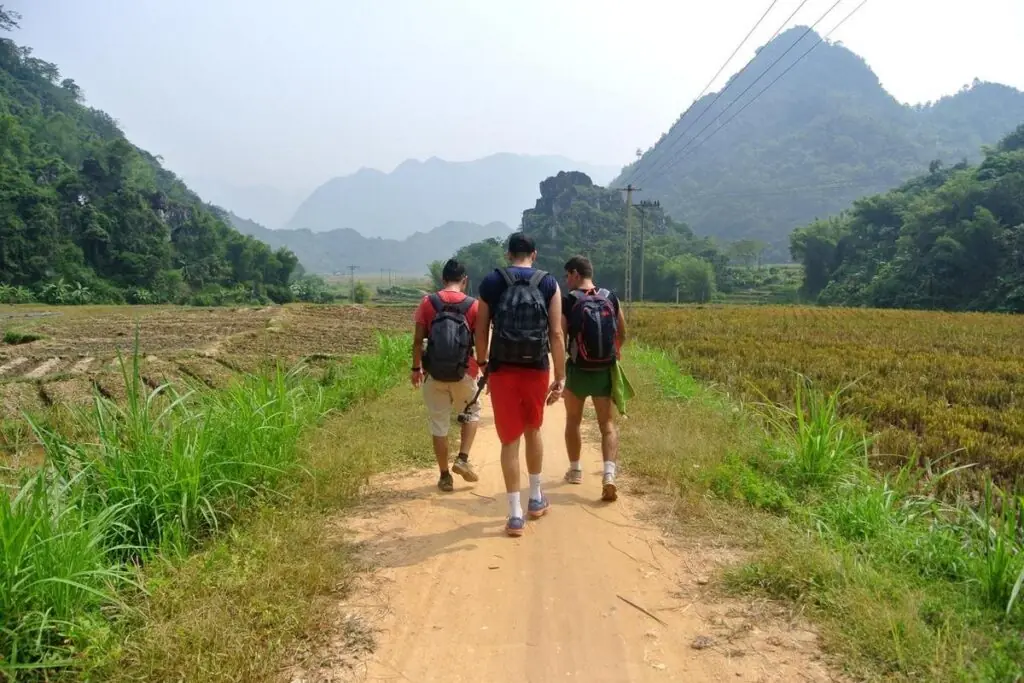
Pu Luong & Mai Chau Trekking Experience – Authentic Northern Vietnam
Peony Cruise Halong Bay 2 Days 1 Night – Luxury Overnight Cruise

Highlights of Vietnam from North to South 12 days