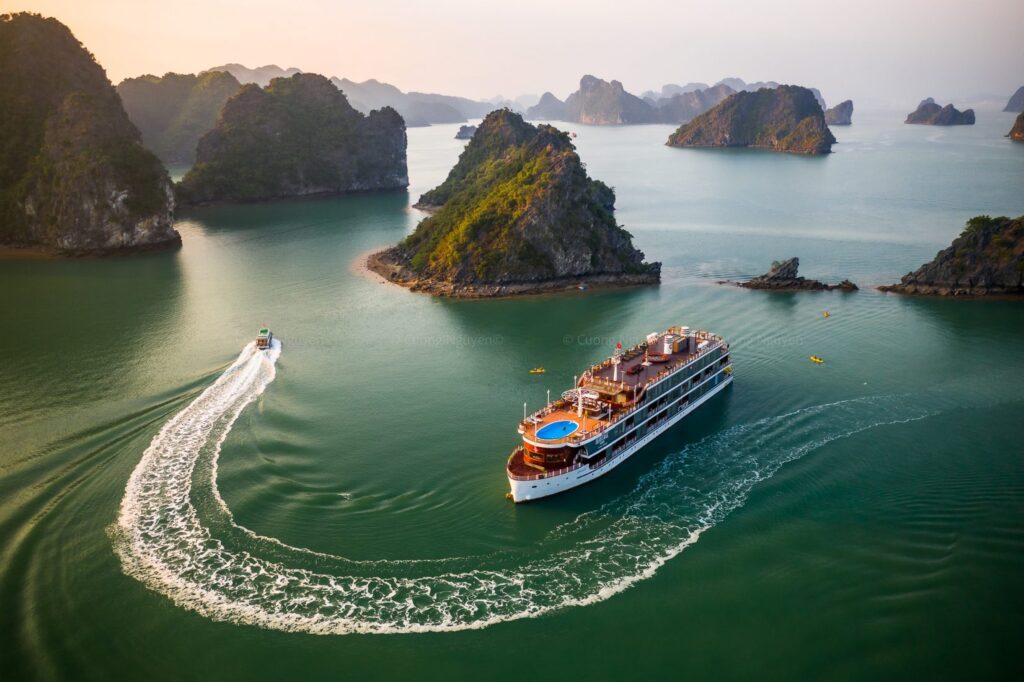
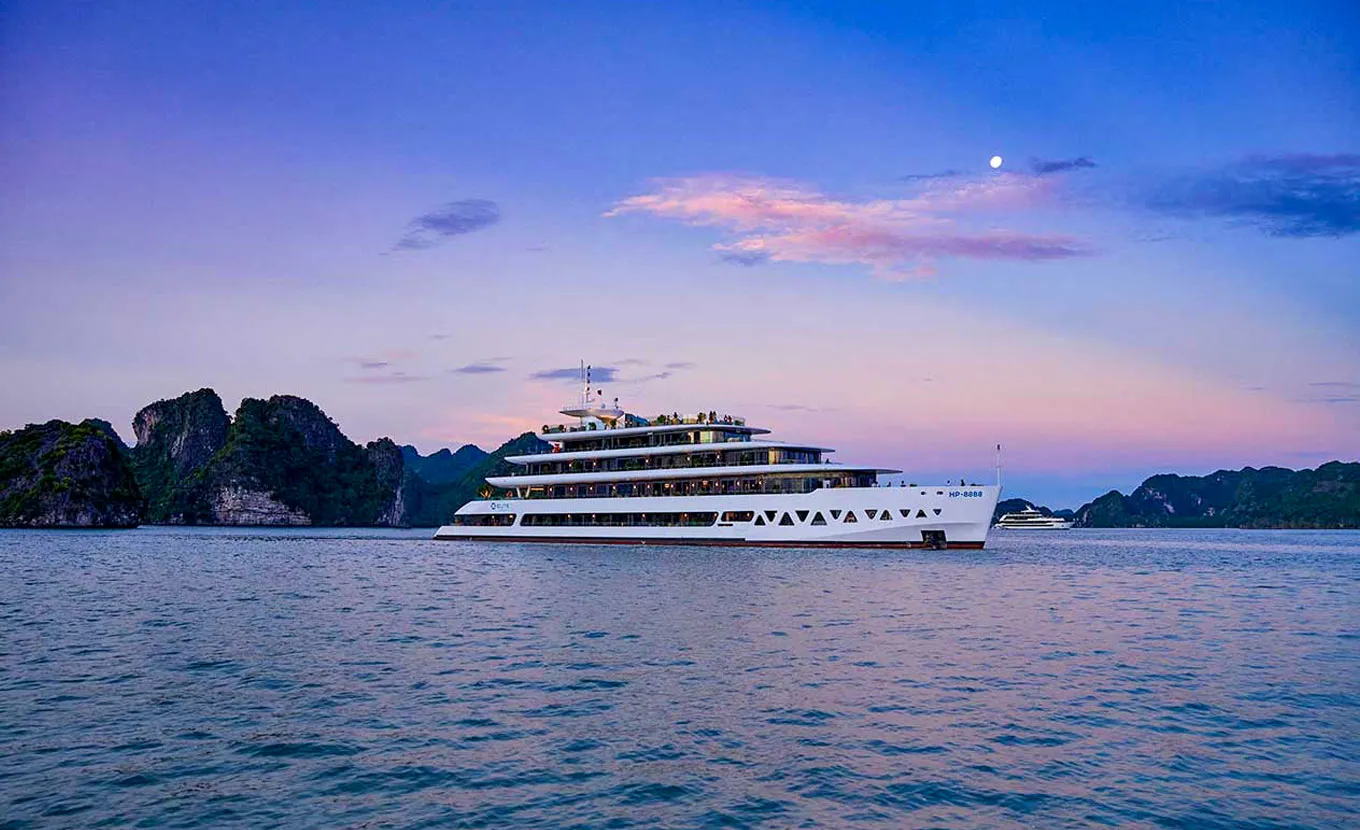
Halong Bay appears on so many "bucket list" posts that it can start to feel like a cliché before you've even booked your flight. Then you get there — 1,969 limestone islands rising from emerald water, morning mist threading between the karsts, the boat moving in complete silence through a landscape that looks like it was designed by someone who'd never been told what was and wasn't possible — and you understand immediately why everyone keeps talking about it.
This is what you need to know to do it right.
Most people assume Halong Bay is a single place. It's not — it's a collection of adjacent bays, each with a different character, different crowd level, and different experience on the water.
Halong Bay (the original) is Vietnam's most recognized UNESCO World Heritage Site and the most visited. The iconic karst formations, the famous caves, the classic wooden junk boats — all here. The trade-off is that popular routes can feel busy during peak season. Still absolutely worth it if you choose your cruise and route carefully.
Lan Ha Bay sits just south of Halong, connected through the same geological formation but sharing none of the crowds. Operated from Cat Ba Island, Lan Ha has quieter waterways, better kayaking, fewer boats, and a slightly wilder feel. Increasingly the choice of travelers who've done their research. → Lan Ha Bay Cruises
Bai Tu Long Bay lies northeast of Halong, even further from the main tourist traffic. Remote, pristine, genuinely off the beaten path. Fewer attractions in the traditional sense, but more space, more silence, and coral reefs that see significantly less boat traffic. → Bai Tu Long Bay Cruises
The simple rule: If it's your first time in Vietnam and you want the full iconic experience, do Halong Bay. If you've been before or specifically want to avoid crowds, choose Lan Ha or Bai Tu Long.
This is where most first-timers get it wrong: they book a day trip from Hanoi to save time and money, spend most of the day on a bus, get about three hours on the water, and come home feeling slightly cheated.
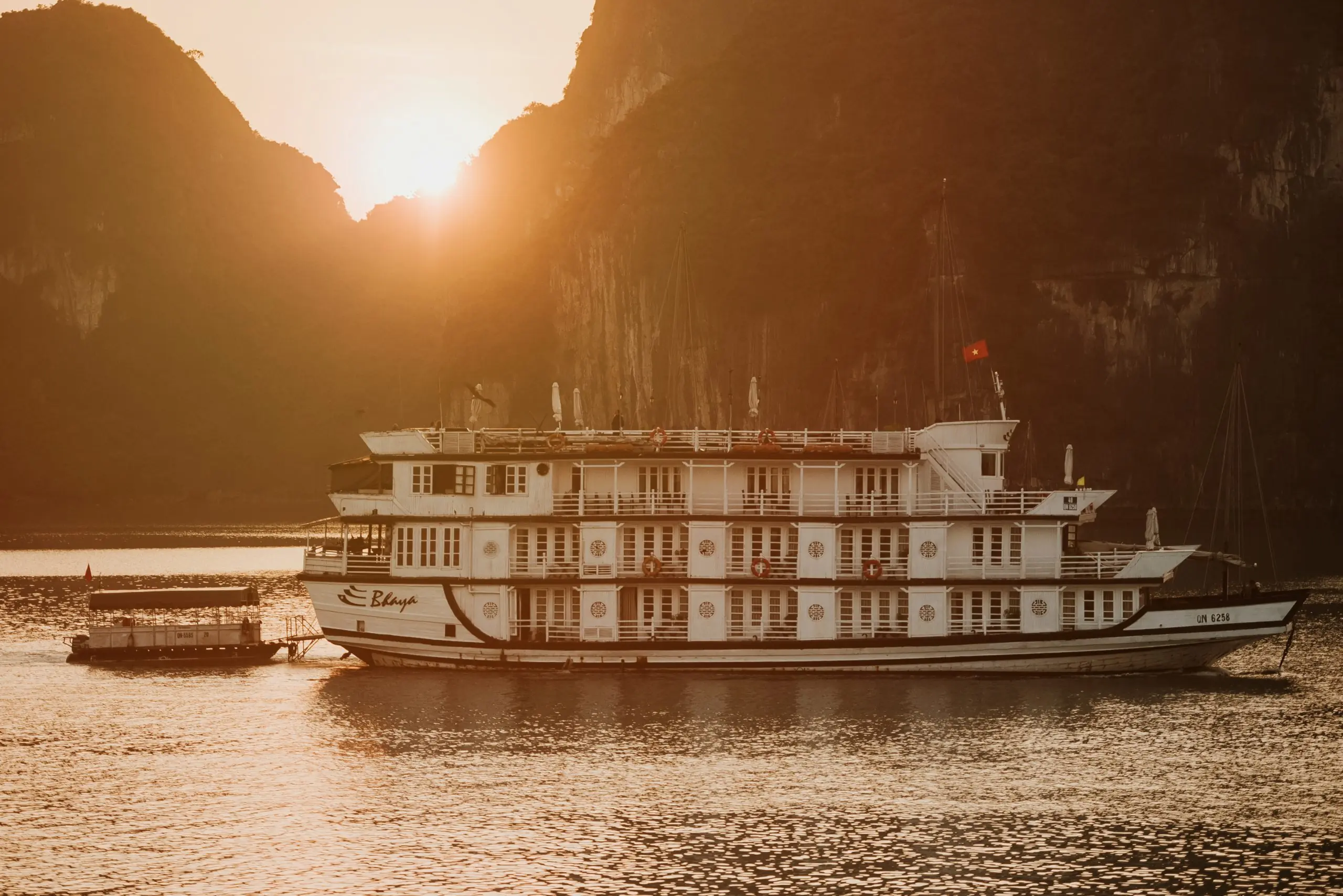
An overnight cruise (2 days / 1 night minimum) is a different experience entirely. You wake up inside the bay. You watch sunrise over the karsts from your cabin balcony with a coffee in hand. You kayak through caves at 7am when the light is horizontal and nobody else is around. You have sundowner drinks on the top deck as the limestone silhouettes go dark against an orange sky.
If you have the time and budget, do the overnight. A 2-night / 3-day cruise is even better — enough time to reach quieter areas of the bay unreachable on shorter itineraries.
Day trips are fine for travelers with genuine time constraints. An 8-hour day cruise from Hanoi covers the main highlights — Surprise Cave, Titop Island, kayaking — and costs around $52–$119 USD per person. Just know what you're getting.
There are hundreds of cruise options on Halong Bay. The choice feels paralyzing. Here's a simple framework:
Budget cruises ($50–$100 USD/night): Basic cabins, shared spaces, standard meals. The bay is the same; the boat is not. Fine for backpackers and travelers prioritizing cost.
Mid-range cruises ($100–$200 USD/night): The sweet spot for most travelers. Comfortable cabins with sea views, decent food, smaller group sizes. Most of the "best value" options in this category.
Luxury cruises ($200–$500+ USD/night): Private balconies, spa treatments, gourmet dining, high staff-to-guest ratios. Worth it for honeymoons, special occasions, or anyone who simply wants the finest version of the experience.
Questions to ask before booking:
C Vietnam Tours works with vetted cruise operators across all categories. Browse Halong Bay Cruises and Halong Bay Tours for curated options with honest descriptions.
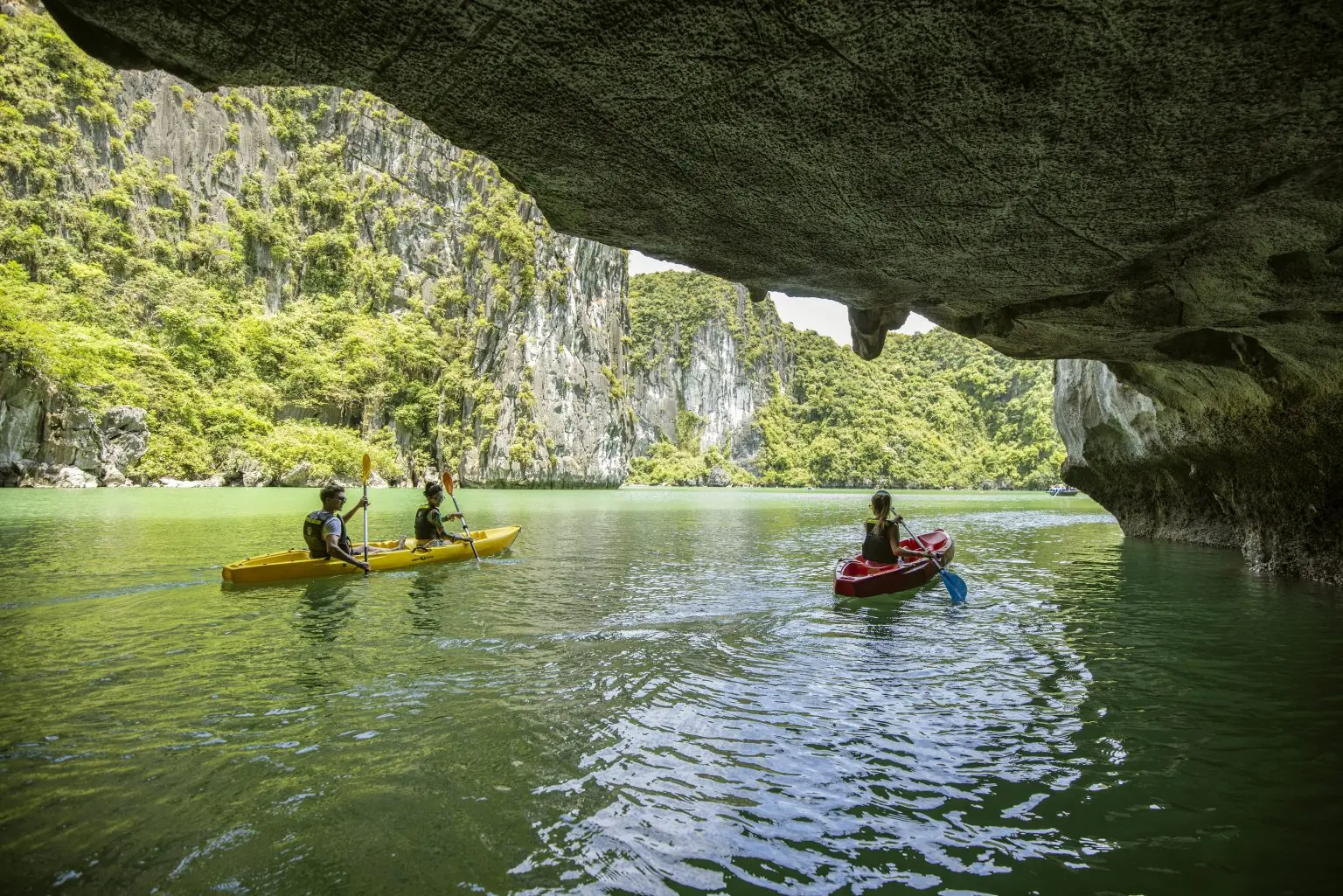
The activities on a Halong Bay cruise are genuinely excellent — not just filler between meals. Here's what to look forward to:
Kayaking through caves and lagoons is the highlight for most people. Paddling through a low-ceilinged cave passage and emerging into an enclosed lagoon completely surrounded by limestone walls — no engine noise, no other boats, just still green water and the echo of paddles — is one of those travel moments that stays with you. Luon Cave and the Dark and Bright Cave in Lan Ha are the standouts.
Cave exploration on foot features on most itineraries. Surprise Cave (Sung Sot) in Halong Bay is the most famous — enormous chambers with dramatic stalactite formations, dramatically lit. Go early in the day before the tour groups arrive.
Titop Island offers a short hike to a viewpoint with sweeping bay panoramas and a crescent beach for swimming. The climb is 20 minutes; the view is worth every step.
Squid fishing at night — bamboo poles, LED lights lowered into the water, and surprising amounts of actual squid. A favorite on overnight cruises after dinner.
Sunrise Tai Chi on the sundeck — offered on most mid-range and luxury cruises, and genuinely peaceful at 6am with the bay completely still and mist rising off the water.
Cooking demonstrations are included on many cruises — learning to wrap spring rolls or fold Vietnamese dumplings with the crew after lunch is a low-key pleasure.
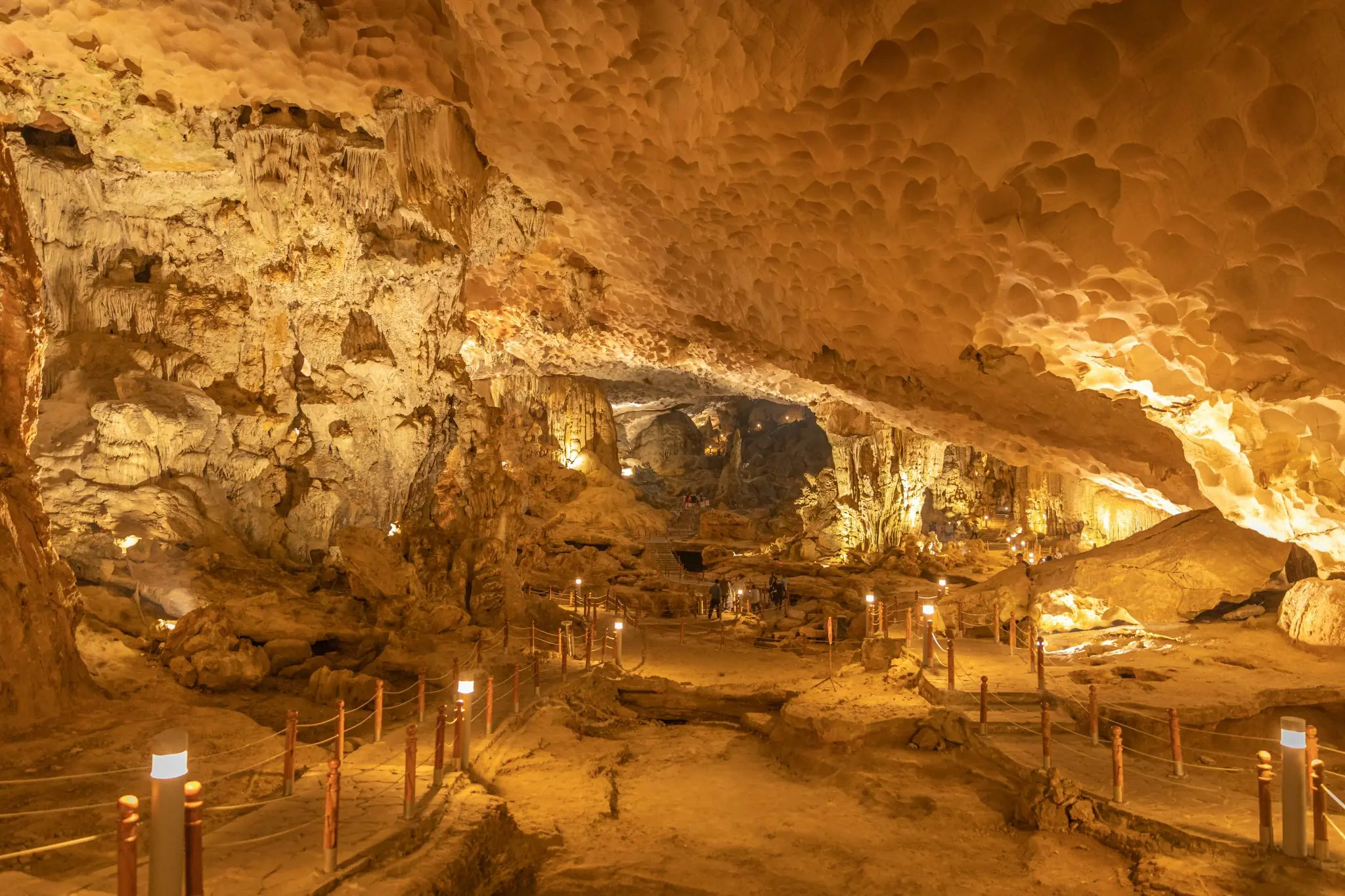
Halong Bay has dozens of caves. Not all are created equal, and most itineraries only visit one or two. Here's the honest assessment:
Sung Sot (Surprise Cave) — The most visited and the most spectacular. Enormous chambers, extraordinary formations, genuinely impressive. Go early or late in the day to avoid the worst of the crowds.
Thien Cung (Heavenly Palace Cave) — Dense stalactite formations in a more intimate space. Less crowded than Sung Sot. Often described as more beautiful.
Luon Cave — Best accessed by kayak. A low tunnel opens into a hidden lagoon enclosed by karst walls. Not impressive as a cave; extraordinary as an experience.
Dark and Bright Cave (Hang Sang Toi) — In Lan Ha Bay. Paddle through darkness and emerge into brilliant light and turquoise water. One of the best experiences in the entire bay area.
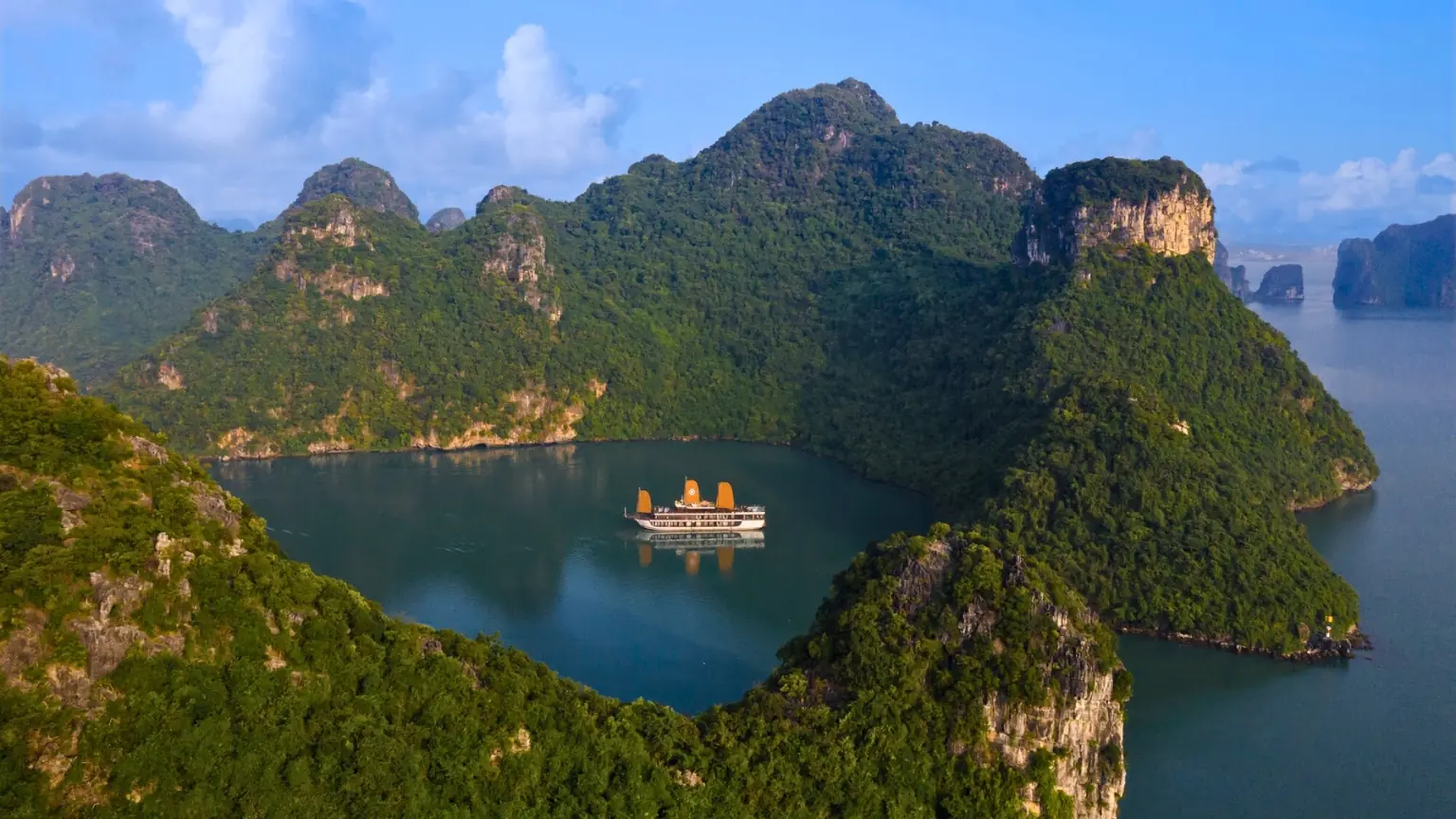
Halong Bay is open year-round, but the experience varies significantly by season.
March to May — The best overall window. Mild temperatures (20–25°C), low humidity, clear visibility. The bay is calm and the light on the karsts is exceptional. Fewer visitors than summer.
September to November — The second-best period. Post-monsoon clarity, cooler temperatures, and some of the year's most dramatic photography conditions. Calm seas.
June to August — High season. Hottest months (30°C+), more crowded boats, but reliably sunny. Summer holidays bring the largest crowds, particularly Vietnamese domestic tourists on weekends.
December to February — Cool and sometimes misty (10–15°C). The mist can be atmospheric and beautiful; it can also obscure the views entirely. Rough seas occasionally affect departures in January and February.
Avoid: Typhoon season peaks in August and September — check weather forecasts before booking these months. Cruises are occasionally cancelled.
The bay is about 180km east of Hanoi — roughly 3.5 hours by road on the expressway.
Most cruise operators include bus transfers from Hanoi's Old Quarter to the pier and back. This is the standard and simplest option — book the cruise and transport together.
Private car is more comfortable and flexible, particularly for families or groups. Stops along the way are possible. Ask your tour operator to arrange both the transfer and cruise together.
Important: Most cruises depart from Tuan Chau Harbor or Halong International Cruise Port in Halong City. Know your departure point before you arrive.
Halong Bay is almost always done as part of a wider Hanoi-based itinerary. C Vietnam Tours pairs Halong Bay with Hanoi City Tours and offers flexible combinations across Vietnam Highlight Tours.
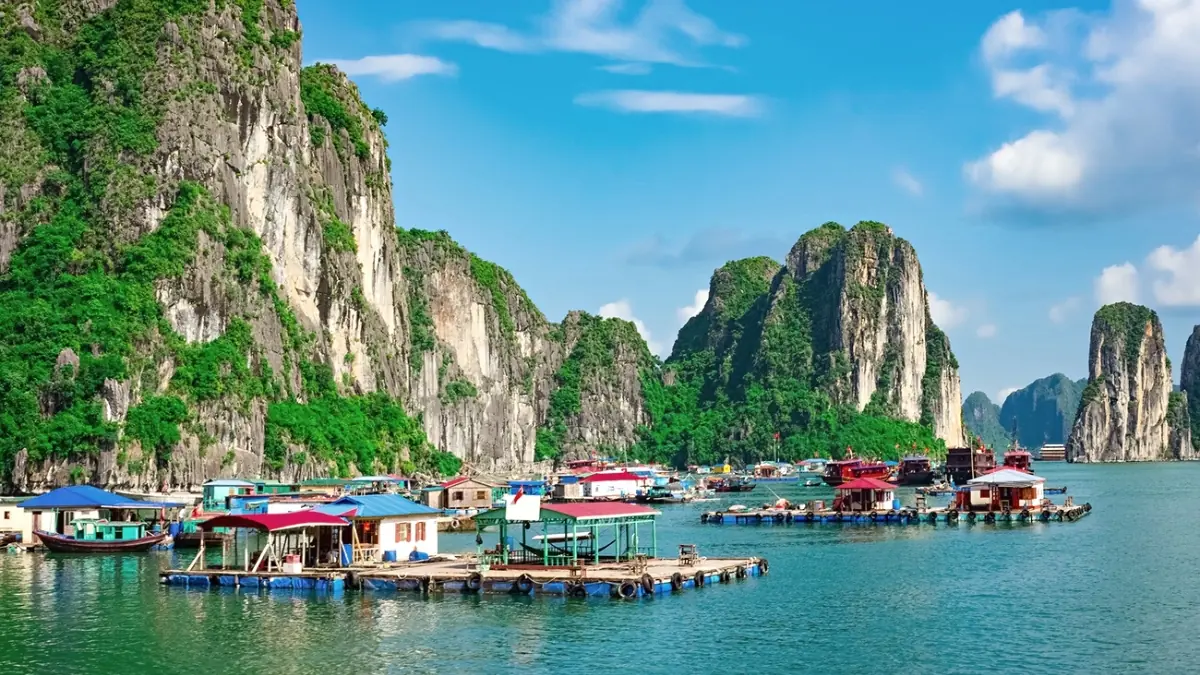
Book in advance — Good cruises, particularly mid-range and luxury options, fill up weeks ahead during peak season (March–May, July–August). Don't leave this to the last minute.
Biodegradable sunscreen — The bay is a protected UNESCO site. Reef-safe, biodegradable sunscreen is not just considerate — many cruise operators now require it.
Pack light — Most cruise cabins have limited storage. A soft bag rather than a hard suitcase makes life easier on board.
Seasickness — Some travelers are affected, particularly in rougher winter conditions. Bring medication if you're prone to motion sickness. The bay is generally calm, but overnight cruises can encounter mild swell in open water.
What to wear — Light clothes for the boat, a warm layer for evenings and early mornings (especially October through February), swimwear for kayaking and swimming. Shoes that can get wet.
Cash — Bring Vietnamese Dong for souvenirs, tips, and any extras not included in your cruise package. Tips for the crew are customary and genuinely appreciated — 100,000–200,000 VND per person is a reasonable guide.
Halong Bay is almost everyone's highlight of northern Vietnam — but the north has more to offer. From Hanoi as your base:
→ Browse Halong Bay Cruises → Explore Halong Bay Tours → Contact Us to Plan Your Vietnam Trip

Vietnam Family Holiday from North to South 16 days

Best Vietnam Family Tour with Kids – 14 Days / 13 Nights

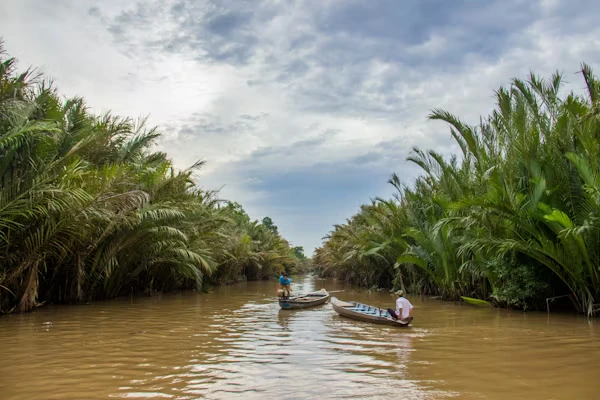

Vietnam Classic Itinerary: 11 Days & 10 Nights