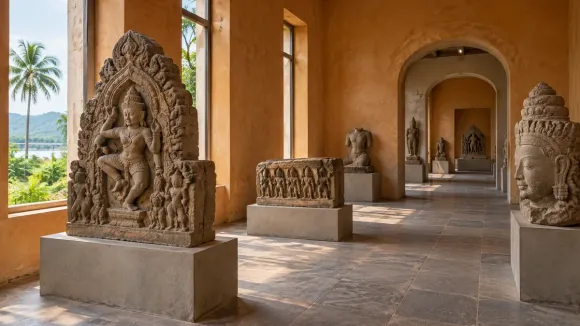
Ho Chi Minh City, still affectionately called Saigon by locals, is Vietnam’s largest city and its economic heartbeat. With more than nine million residents, the city is a fascinating blend of French colonial elegance, deep wartime history, spiritual traditions, and modern urban energy. From historic palaces and emotional museums to vibrant markets and unforgettable street food, Ho Chi Minh City offers travelers a rich and multi-layered experience in Southern Vietnam.
Below are the 10 most important attractions and experiences, analyzed in depth, that define Ho Chi Minh City for first-time and returning visitors in 2026.
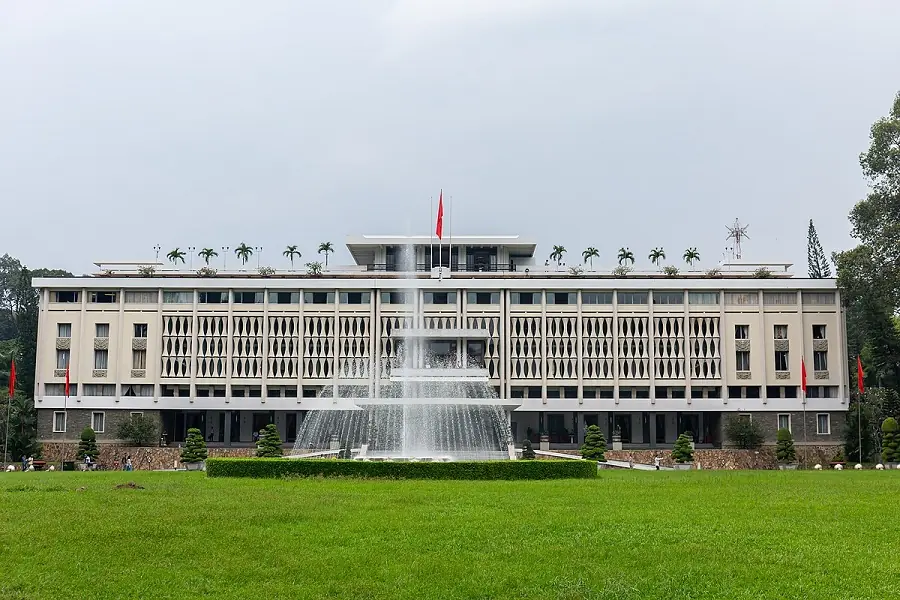
The Reunification Palace is one of the most historically significant landmarks in Ho Chi Minh City. It was here, on April 30, 1975, that a North Vietnamese tank crashed through the gates, marking the end of the Vietnam War and the fall of Saigon.
Built in the 1960s, the palace served as the residence and workplace of the President of South Vietnam. Today, it remains remarkably preserved, offering visitors a rare, authentic look into wartime decision-making spaces. Inside, you can explore the presidential offices, cabinet meeting rooms, communication centers, and an underground command bunker filled with original equipment, making it a common stop on Vietnam highlight tours.
What makes the Reunification Palace especially compelling is that it feels frozen in time. From vintage furniture to old maps and telecommunication systems, everything reflects the tense final days of the war. Architecturally, it also represents Vietnamese modernism of the 1960s, blending Eastern symbolism with Western design.
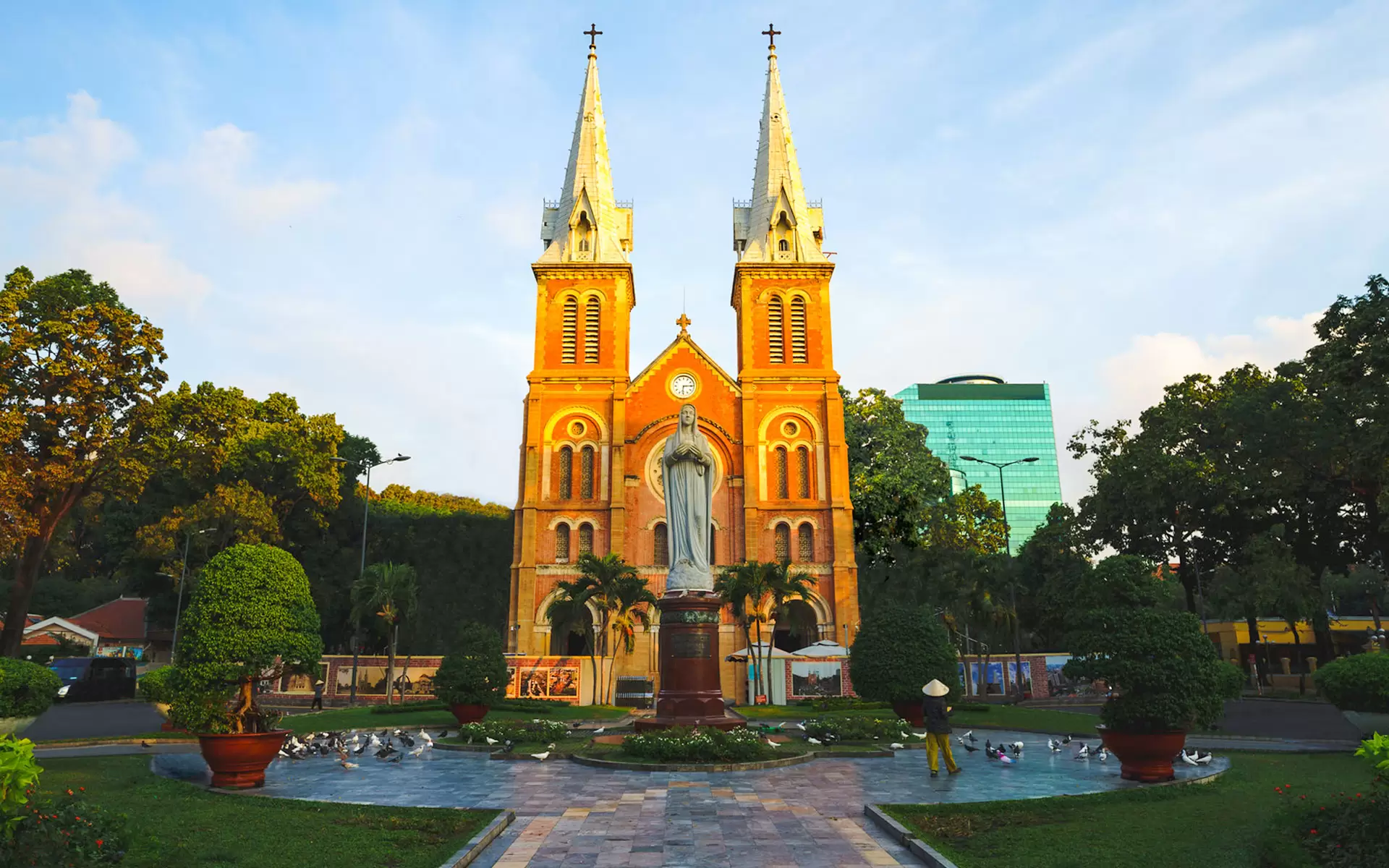
Notre Dame Cathedral of Saigon French colonial landmark (Source: Collected)
Standing proudly in the heart of District 1, Notre-Dame Cathedral Basilica of Saigon is one of the city’s most iconic symbols of French colonial influence. Constructed between 1863 and 1880, the cathedral was built entirely using materials imported from France, including its famous red bricks.
The twin bell towers rise nearly 60 meters and dominate the surrounding skyline. Although the cathedral is currently undergoing major restoration (expected to continue until 2027), its exterior remains a major highlight for visitors and photographers.
The area around the cathedral—together with the Central Post Office and nearby Book Street—creates a uniquely European atmosphere rarely found in Southeast Asia and is often included in walking routes within broader Vietnam tours.
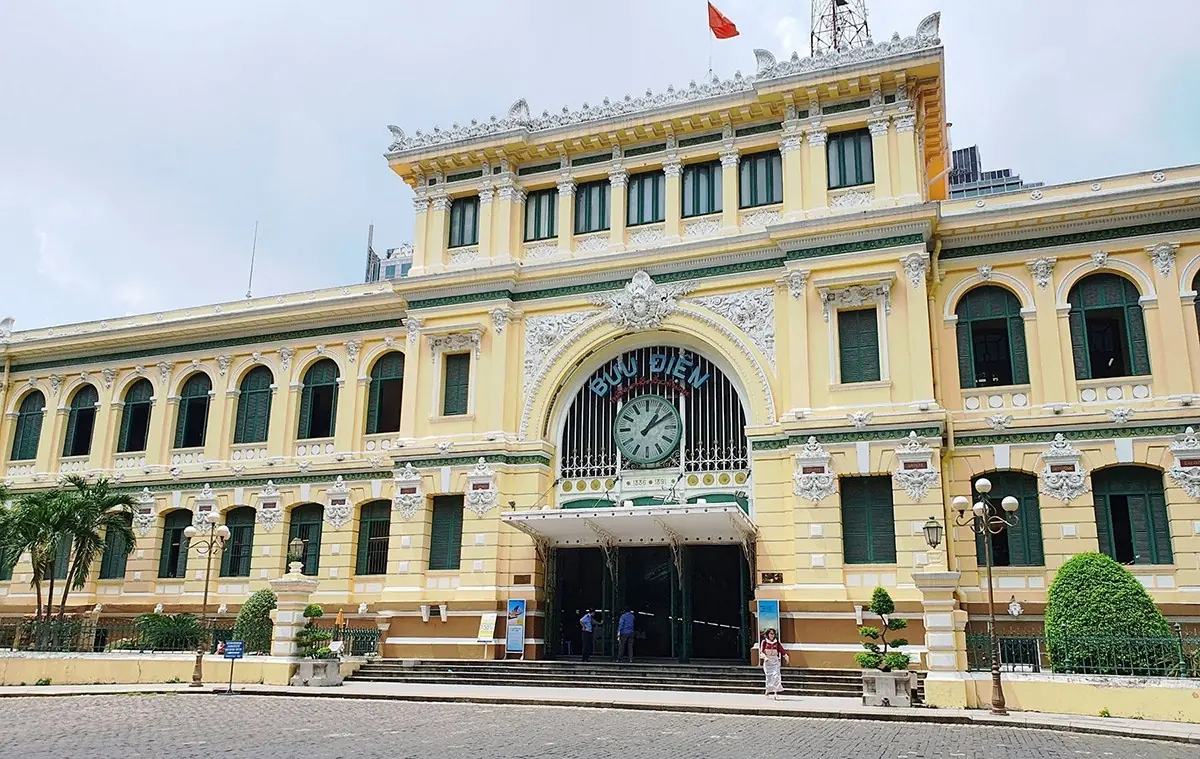
Saigon Central Post Office iconic French colonial building (Source: Collected)
Located directly across from Notre-Dame Cathedral, the Saigon Central Post Office is one of the finest examples of French colonial architecture in Vietnam. Designed by Gustave Eiffel and completed in 1891, the building combines Gothic, Renaissance, and industrial ironwork elements.
Inside, the grand vaulted ceiling, large arched windows, and antique maps of Saigon transport visitors back to the late 19th century. Unlike many historical buildings, the post office is still fully operational, allowing travelers to send postcards or letters from one of the most beautiful post offices in the world.
This blend of everyday local life and historical grandeur makes the Central Post Office a must-see stop, even for visitors with limited time.
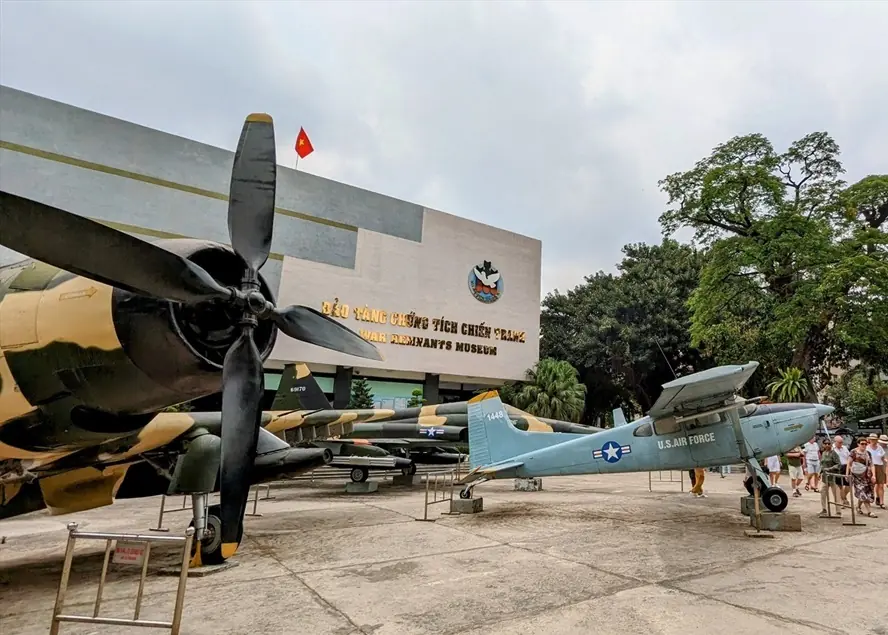
War Remnants Museum in Ho Chi Minh City (Source: Collected)
The War Remnants Museum is one of the most powerful and emotionally intense experiences in Ho Chi Minh City. It presents the Vietnam War from the Vietnamese perspective through photographs, documents, military equipment, and personal stories.
Exhibits include tanks, helicopters, and aircraft displayed outdoors, as well as deeply moving indoor exhibitions that document wartime atrocities and the long-term effects of Agent Orange. The museum does not soften its message, making it a challenging but essential visit for understanding Vietnam’s modern history.
While some displays may be disturbing, the museum offers valuable context and insight that goes beyond textbooks, encouraging reflection rather than spectacle.
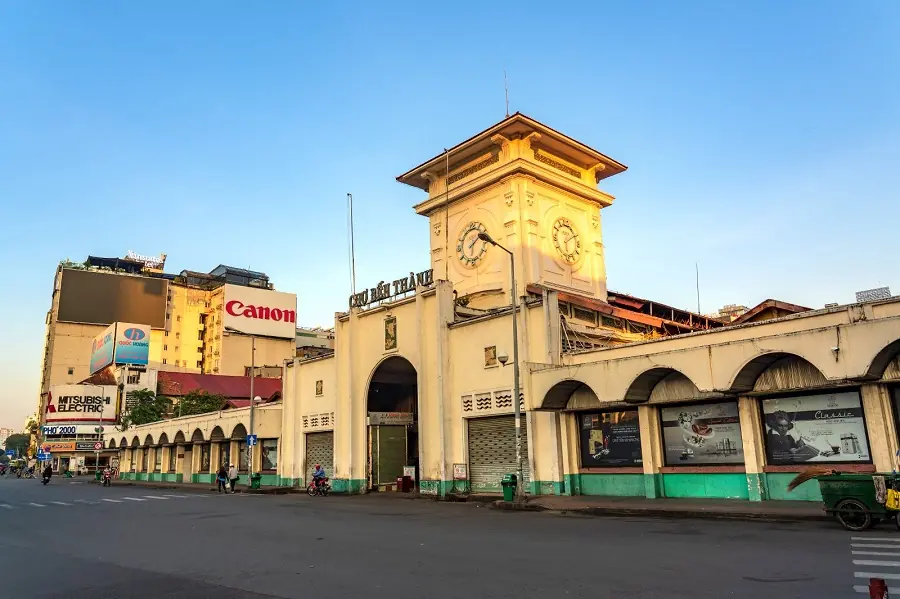
Ben Thanh Market iconic market in Ho Chi Minh City (Source: Collected)
Ben Thanh Market has been a symbol of Saigon since 1914. With its distinctive clock tower and central location, it remains one of the most visited markets in Vietnam.
Inside, hundreds of stalls sell everything from Vietnamese coffee and dried fruits to textiles, handicrafts, and souvenirs. Outside, the surrounding streets transform into a lively night market filled with food stalls and street vendors.
Beyond shopping, Ben Thanh Market offers a genuine glimpse into local commercial culture. Bargaining is expected, and part of the experience is learning how locals negotiate, socialize, and trade in a fast-paced environment.
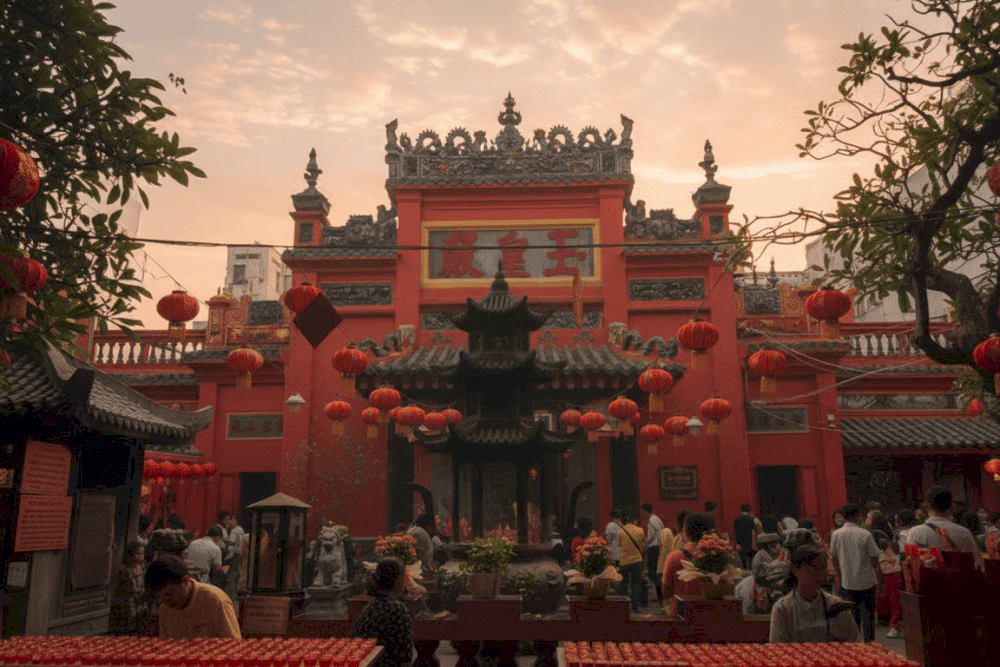
Jade Emperor Pagoda historic Taoist temple in Saigon (Source: Collected)
Jade Emperor Pagoda is one of the most atmospheric and spiritually rich sites in Ho Chi Minh City. Built in 1909 by the Cantonese community, the temple is dedicated to Taoist deities and remains an active place of worship.
Inside, thick incense smoke fills the air, creating a mystical ambiance as light filters through open doorways. The pagoda features intricately carved wood panels, ceramic figures, and powerful deity statues, including representations of heaven and hell.
Unlike more tourist-oriented temples, Jade Emperor Pagoda feels deeply authentic, offering visitors insight into local religious beliefs and everyday spiritual practices.
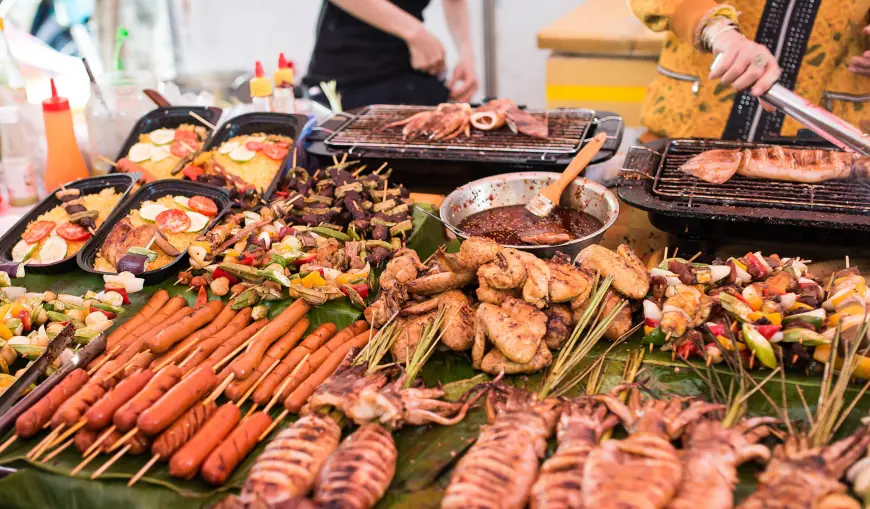
Ho Chi Minh City street food walking tour (Source: Collected)
Ho Chi Minh City is widely regarded as one of the best street food cities in the world. A guided street food walking tour is one of the most rewarding ways to experience its culinary culture.
These tours typically introduce visitors to iconic dishes such as pho, banh mi, banh xeo, com tam, fresh spring rolls, and Vietnamese iced coffee. Beyond tasting food, guides explain the history, ingredients, and cultural significance behind each dish.
For first-time visitors, street food tours also provide peace of mind regarding food safety while opening doors to hidden local spots that are difficult to find alone.
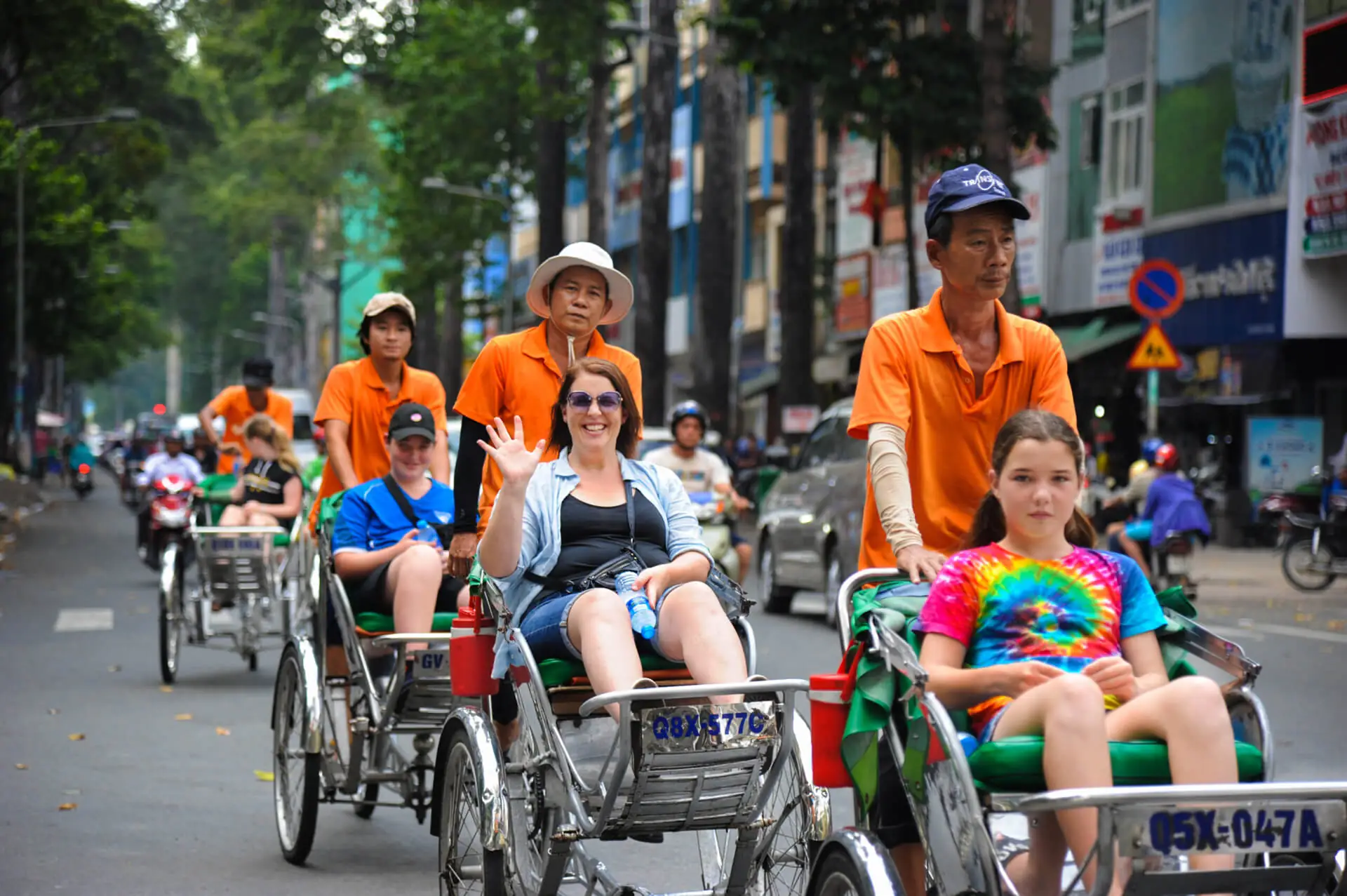
Cyclo tour through historic districts of Saigon (Source: Collected)
A cyclo ride offers a slower, more intimate way to explore Ho Chi Minh City. Sitting at the front of a traditional three-wheeled bicycle rickshaw, travelers can observe daily life at street level without the stress of navigating traffic.
Most cyclo tours focus on District 1, passing landmarks such as the Opera House, City Hall, Notre-Dame Cathedral, and Ben Thanh Market. Evening rides are particularly charming as the city lights up and temperatures cool.
This experience is as much about human connection as sightseeing, as many cyclo drivers enjoy sharing stories about Saigon’s past and present.
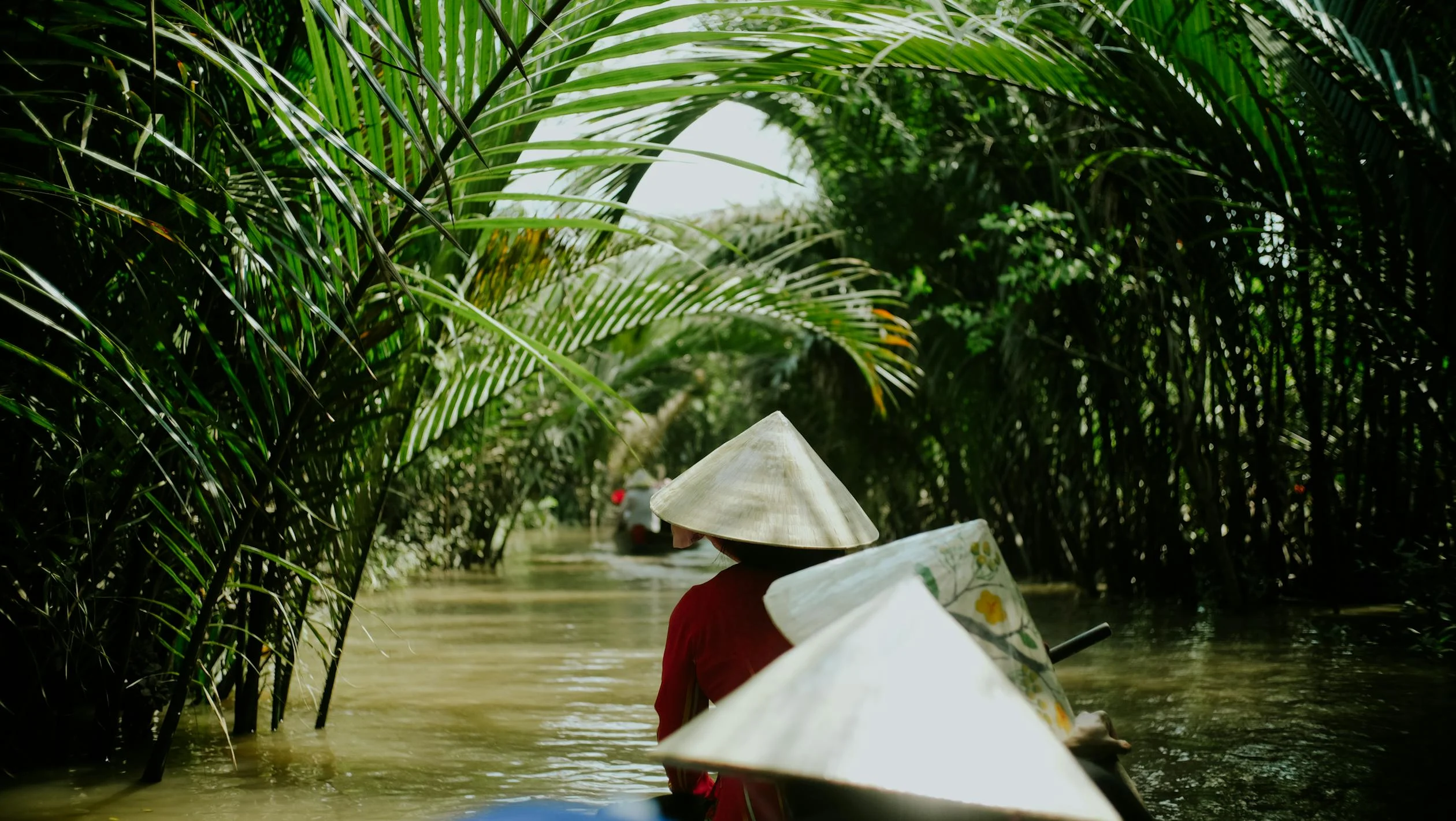
Cu Chi Tunnels near Ho Chi Minh City (Source: Collected)
Located about 70 kilometers from the city, the Cu Chi Tunnels offer a powerful extension of Ho Chi Minh City’s wartime narrative. This vast underground network once served as living quarters, hospitals, kitchens, and command centers during the Vietnam War.
Visitors can walk through jungle paths, see booby trap demonstrations, and crawl through sections of the tunnels that have been widened for tourists. The experience provides deep insight into the resilience and ingenuity of Vietnamese soldiers.
Cu Chi is best visited in the morning and is commonly combined with guided half-day or full-day tours from the city.
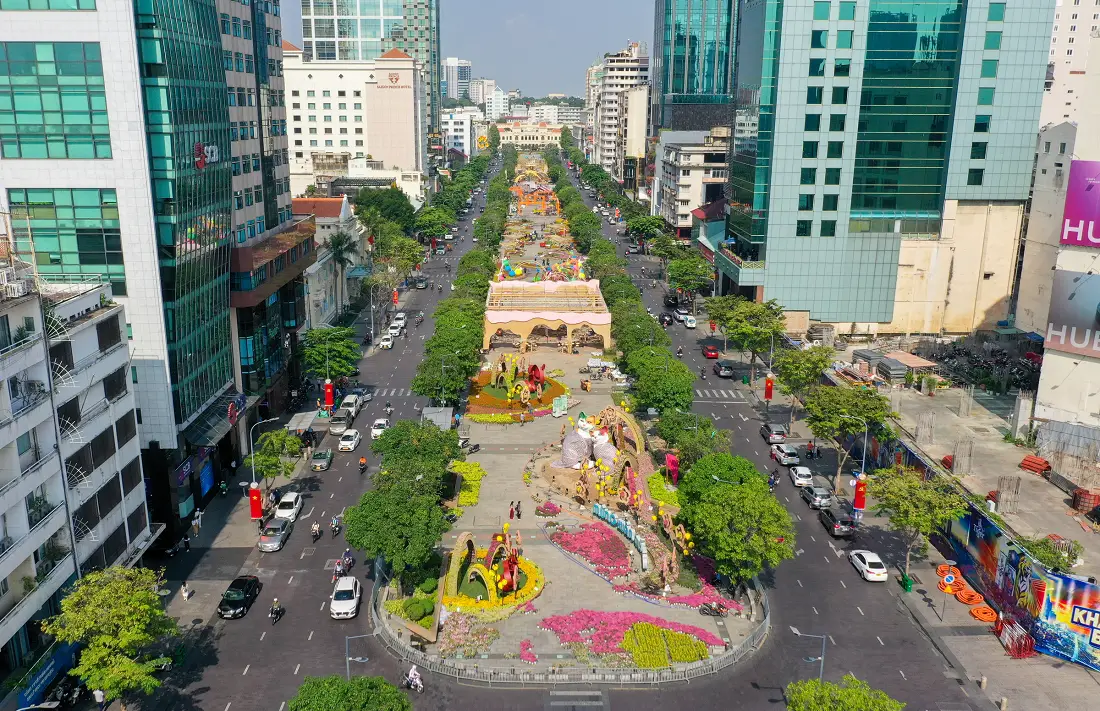
Nguyen Hue Walking Street and City Hall at night
Nguyen Hue Walking Street represents modern Ho Chi Minh City at its most vibrant. Stretching from the Saigon River to the historic City Hall, the pedestrian boulevard is a popular gathering place for locals and tourists alike.
The beautifully illuminated City Hall, built in the early 20th century, provides a striking colonial backdrop. In the evenings, the street comes alive with performances, families, photographers, and street vendors.
This area perfectly captures the contrast between old and new Saigon—historic architecture surrounded by modern cafes, shopping centers, and youthful energy.
==> Ho Chi Minh City is more than a destination it is a story of history culture and vibrant everyday life. From iconic landmarks and colonial architecture to street food adventures and modern boulevards the city offers an unforgettable introduction to Vietnam.
Whether you are a first time visitor or returning traveler Ho Chi Minh City always reveals something new waiting to be discovered. Let C TOURS help you explore the city in an authentic comfortable and well organized way.
Book Your Ho Chi Minh City Tour with C TOURS
Email: info@c-vietnamtours.com sales01@c-vietnamtours.com
Hotline: +84 28 6688 1555
Website: https://c-vietnamtours.com/
Follow C TOURS for travel inspiration insider tips and exclusive offers for Vietnam journeys.
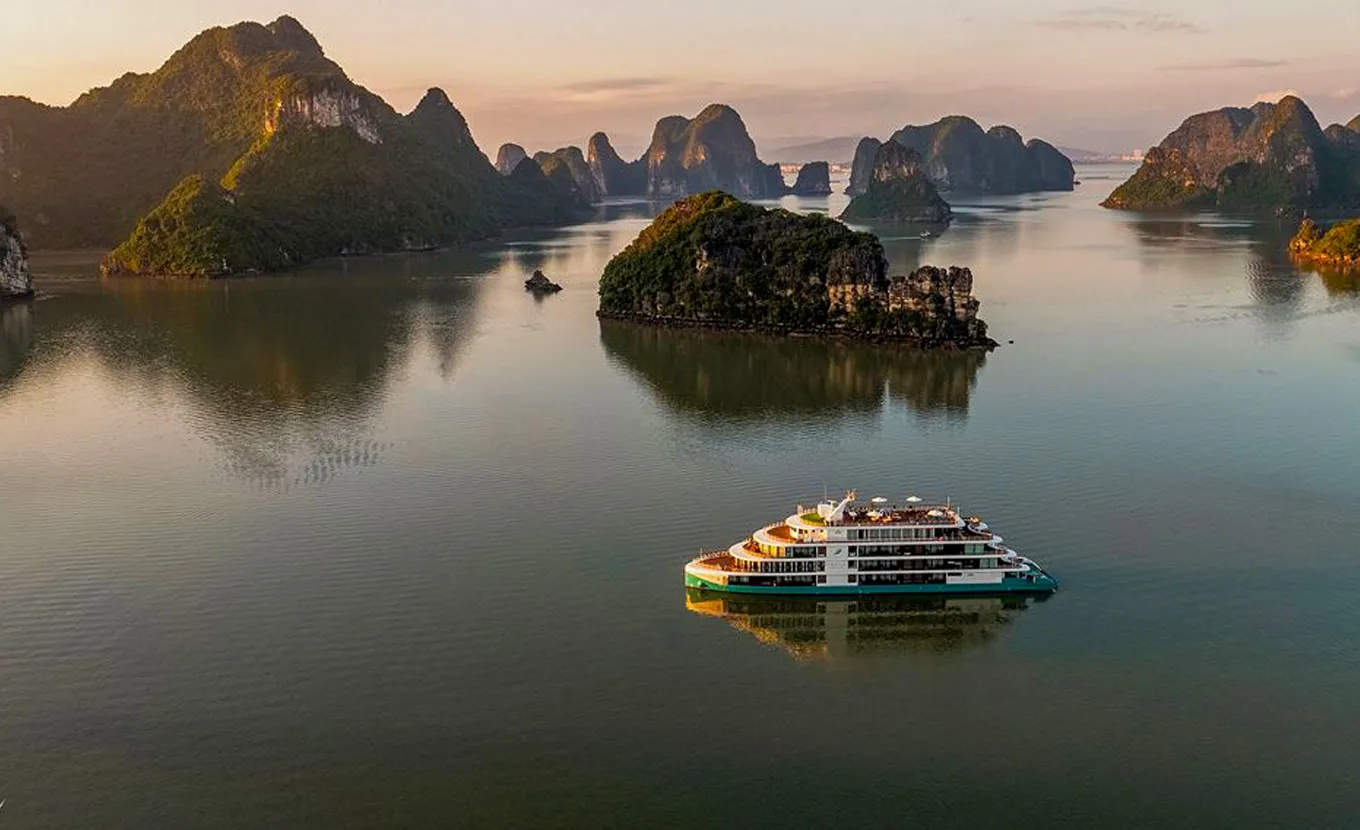
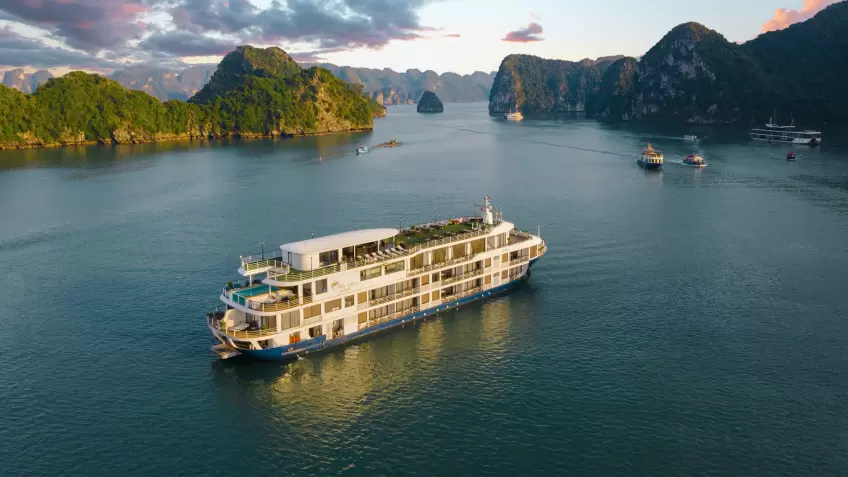
Mon Cheri Cruise 2 Days 1 Night Itinerary: Lan Ha Bay Experience
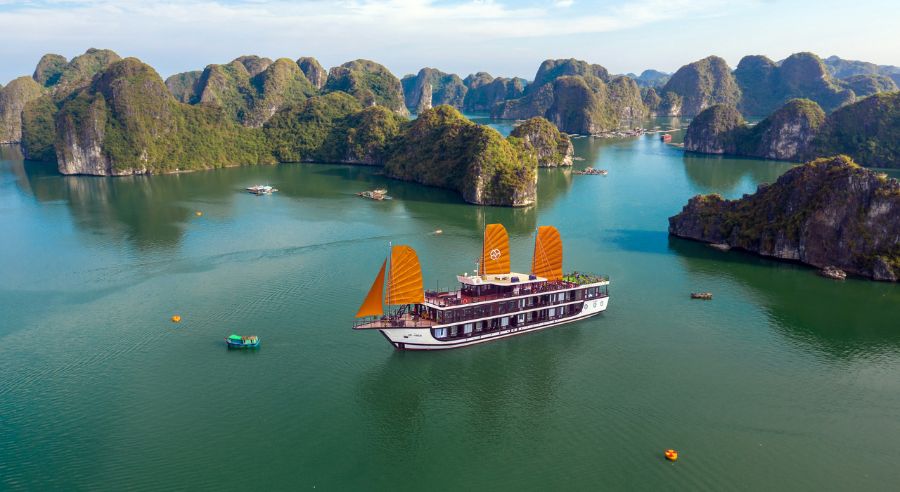
Peony Cruise Halong Bay 2 Days 1 Night – Luxury Overnight Cruise
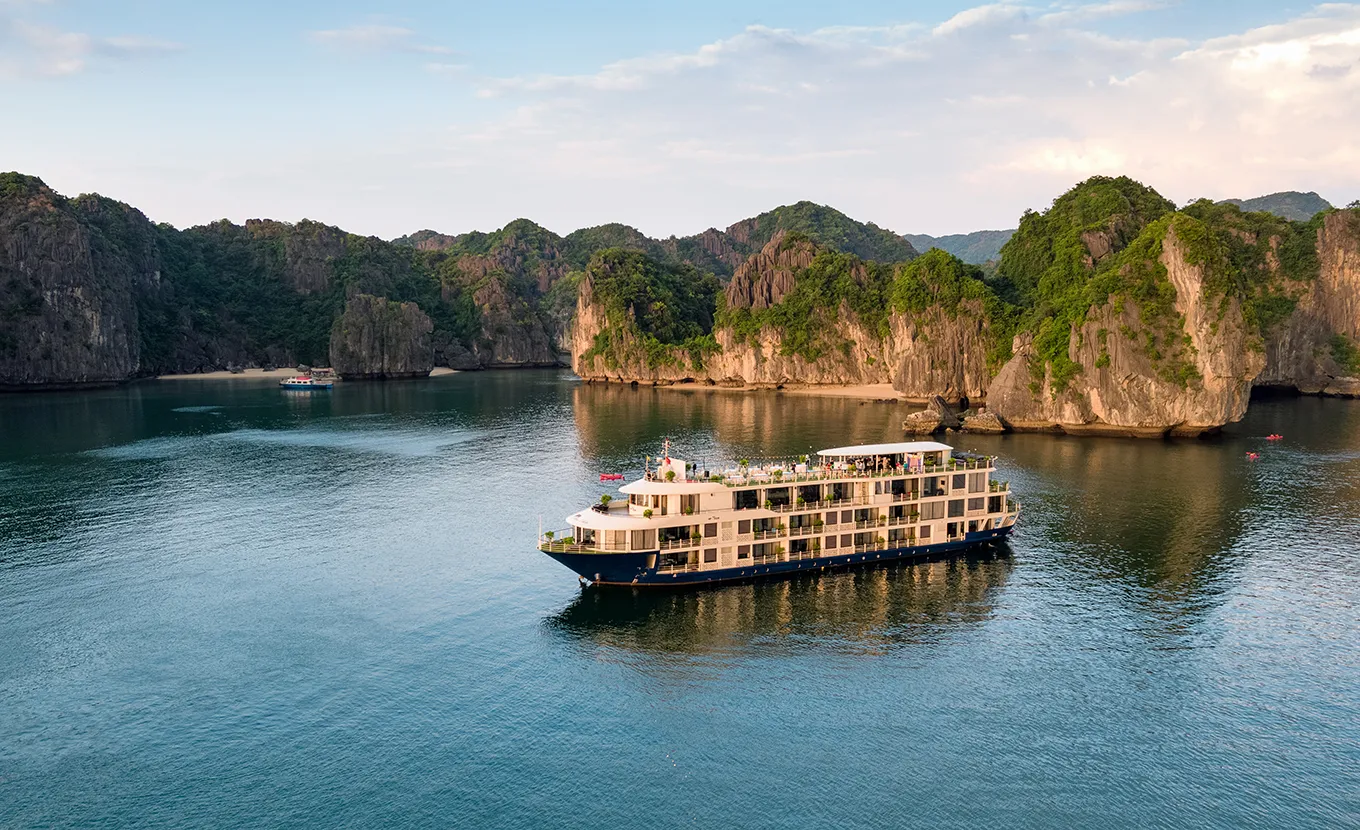
Mon Cheri Cruise 3 Days 2 Nights: A Luxury Journey To Lan Ha Bay