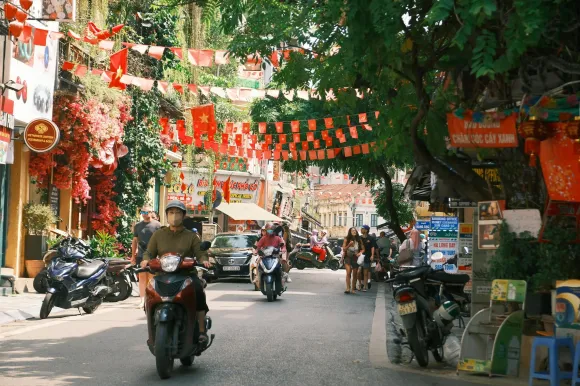
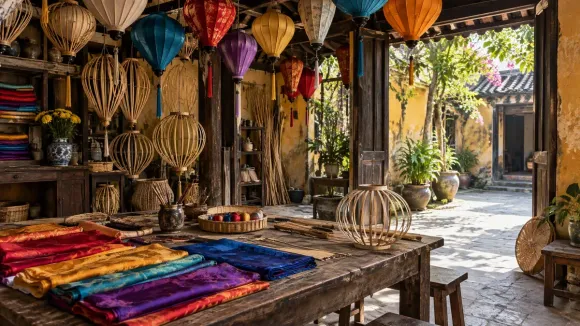
Choose a Hoi An cooking class with market tour: compare hands-on lessons, check menus and dietary needs, and plan a relaxed food experience with local hosts.
The best souvenir from a cooking morning is not a perfect pancake. It is knowing how to make the next one yourself.
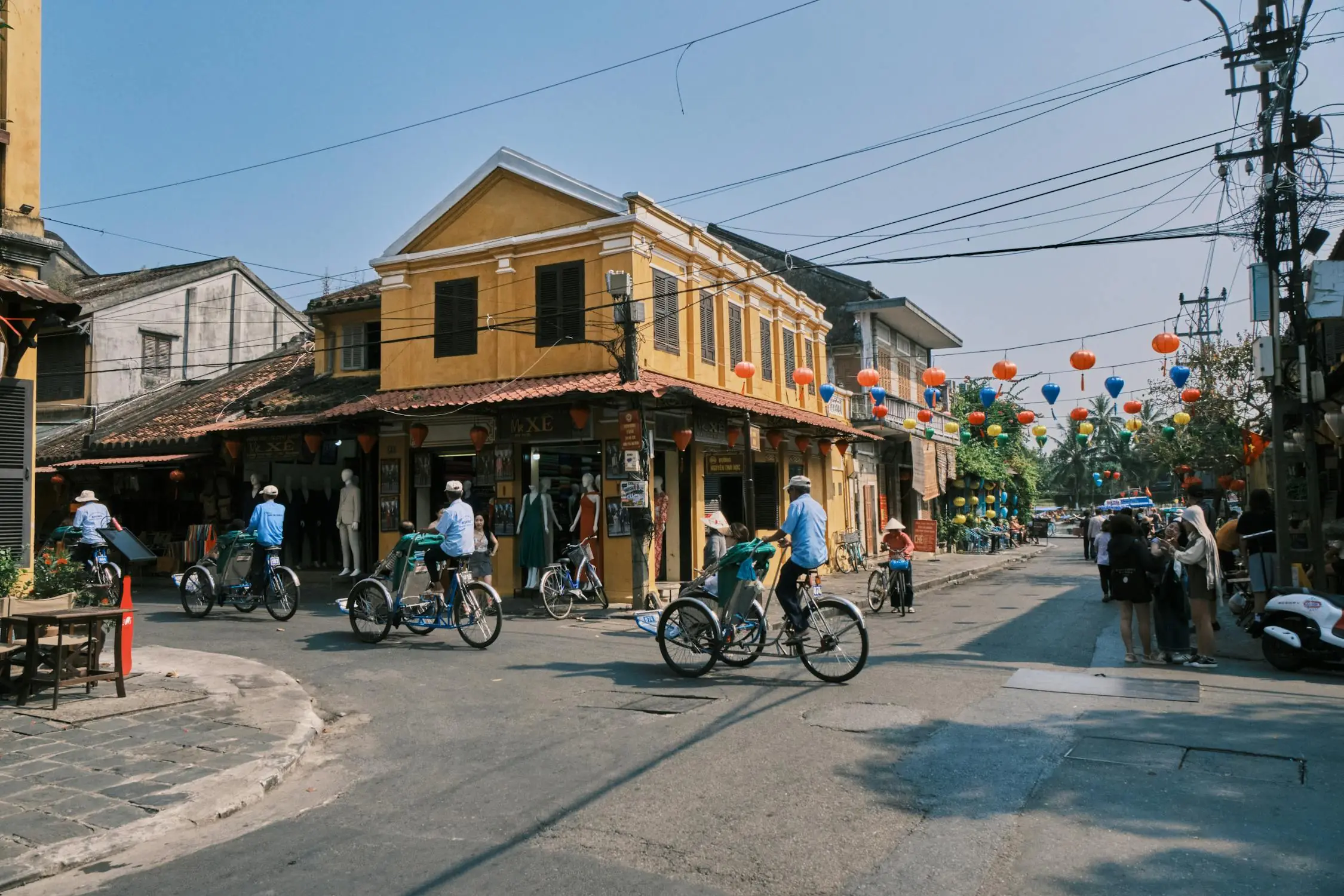
For a locally hosted option, explore C Vietnam Tours’ Hoi An market visit and home cooking experience, or build the activity into a longer journey through our Vietnam tour packages. The trading heritage of the historic port town of Hoi An gives the food a fascinating backdrop, while Vietnamese cuisine offers a broader introduction to the ingredients you will encounter.
A market basket tells a different story from a restaurant menu. Look closely at the herbs, ask what goes into a dipping sauce, and suddenly lunch becomes something you understand rather than simply order. A Hoi An cooking class with market tour connects that curiosity with practical skills: shopping, preparing ingredients, cooking, and sharing a meal.
The important choice is not which excursion has the longest activity list. It is which one gives you enough time at the stove, a menu you want to learn, and a format that suits your group. Here is how to choose without assuming every class includes the same dishes, transfers, or extras.
Start with a simple question: do you want a cultural introduction, a family activity, or a cooking lesson you can repeat at home? Those goals lead to different bookings.
A home-based experience can suit travelers who value conversation and a domestic setting. A dedicated cooking school may offer a more structured sequence of demonstrations and practice. Neither label guarantees a private class, individual stations, or extra attention. Ask how the lesson actually works.
Boat rides, garden visits, cycling, and basket-boat activities are separate possibilities, not universal inclusions. An excursion packed with them can be enjoyable, but it may leave less time for cooking. Compare the kitchen portion rather than the total duration alone.
Ask for the answers together with the current menu. A written confirmation is more useful than assuming a promotional photo describes your departure.
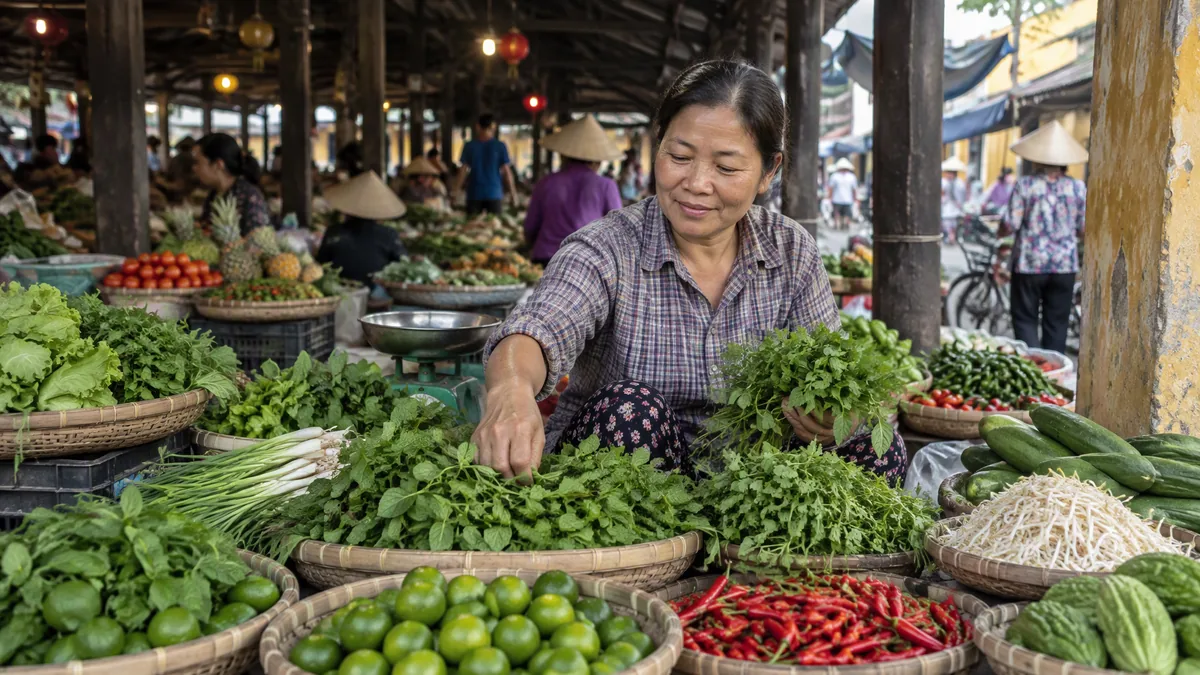
The market portion should make the kitchen easier to understand. Ask your guide to identify herbs, explain how ingredients are selected, and show which items belong to the dishes you will make. If the group is buying ingredients, notice the quantities as well as the names.
Keep pathways clear and ask before photographing vendors closely. A few thoughtful questions are better than handling produce without permission. Wear shoes with a secure grip, keep valuables tucked away, and bring drinking water for the walking section.
Not every class purchases everything during its visit. Some kitchens prepare supplies beforehand. That does not make the tour pointless, but the experience should be described honestly: learning about ingredients is different from shopping for your own lunch.
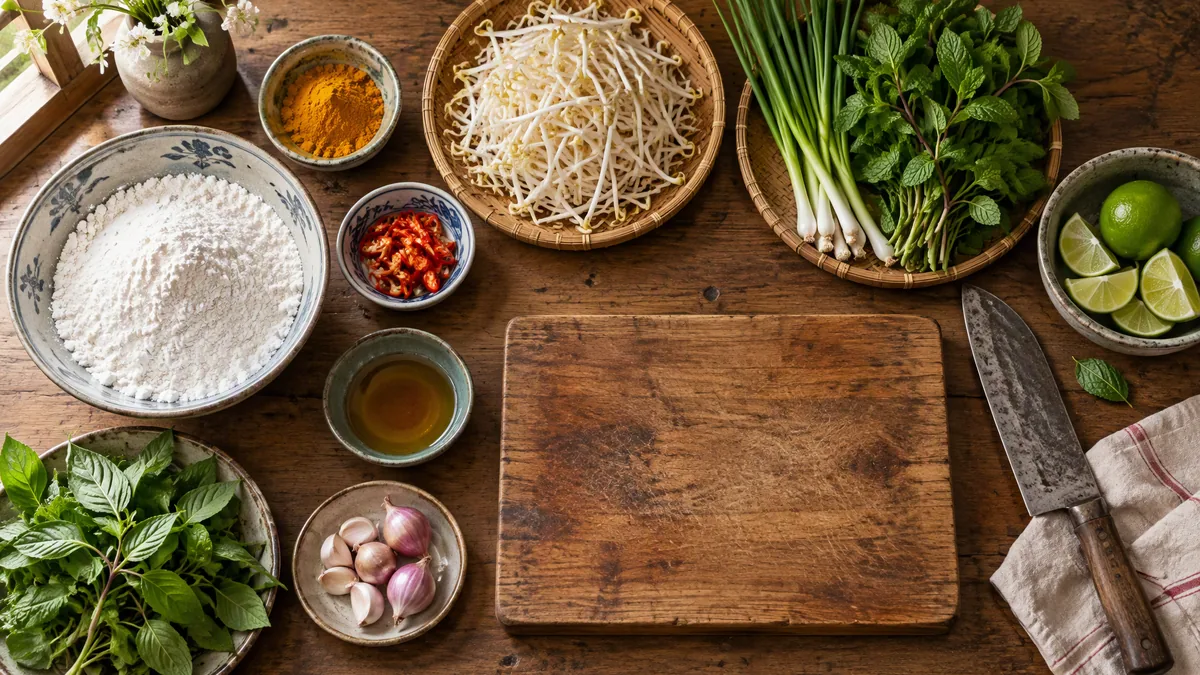
Choose dishes you would genuinely like to cook again. Learning how batter behaves in a pan or how to balance a dressing may be more useful than collecting a long list of recipe names.
Vietnam’s official tourism website highlights Hoi An specialties including bánh xèo, mì Quảng, chicken rice, and cao lầu. A cooking class, however, does not necessarily teach all those dishes. Some require preparation that does not fit a short lesson.
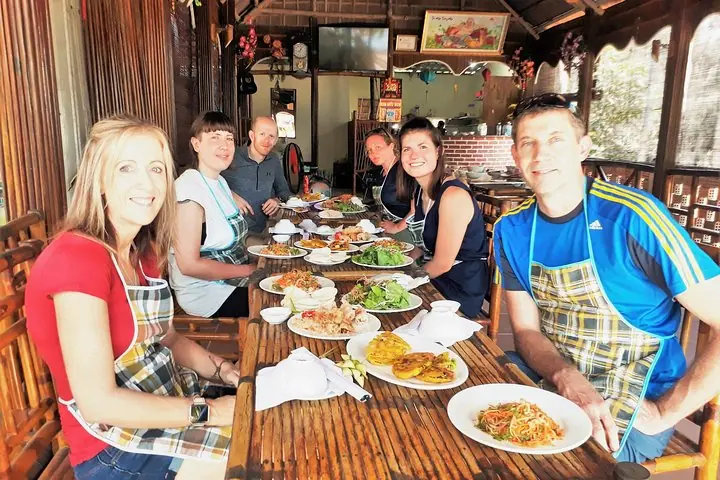
C Vietnam Tours’ published home-cooking program describes bánh xèo, grilled pork skewers, and green papaya salad. Treat that as the advertised program, then reconfirm the menu and substitutions for your date. A countryside bicycle ride is also described; ask whether it remains included and whether an alternative is possible.
For comparison, Red Bridge’s own half-day program describes a central-market visit, river boat transfer, herb-garden walk, cooking, and lunch. Its published recipes include rice-paper making, rolls, pancakes, salad, and noodles. These are different formats, not interchangeable promises about a C Vietnam Tours booking.
“Vegetarian available” does not mean allergen-free. Fish sauce, shrimp, peanuts, sesame, and sauces containing soy or wheat may appear in Vietnamese recipes. Tell the operator exactly what you cannot eat, whether cross-contact matters, and what substitutions you need.
Ask about shared pans, utensils, preparation surfaces, and packaged sauces. Red Bridge lists replacement ingredients for vegetarians, but that is not confirmation of a kitchen suitable for every allergy. If safe arrangements cannot be confirmed, choose another activity rather than relying on a last-minute adjustment.
Watch the demonstration, then ask why the cook changes the heat, adds water, or waits before turning the food. Those small decisions are the part most easily lost when following a recipe later.
For bánh xèo, useful questions concern batter consistency, pan temperature, filling quantity, and when the edges are ready to lift. For salads, notice how seasoning is adjusted before serving. Request home-kitchen alternatives for ingredients you cannot easily find where you live.
Keep raw ingredients separate from finished food and follow the instructor’s hygiene guidance. Do not let the desire for a photograph distract from a hot pan or knife. If you prefer to observe one step, say so; participation should feel comfortable rather than competitive.
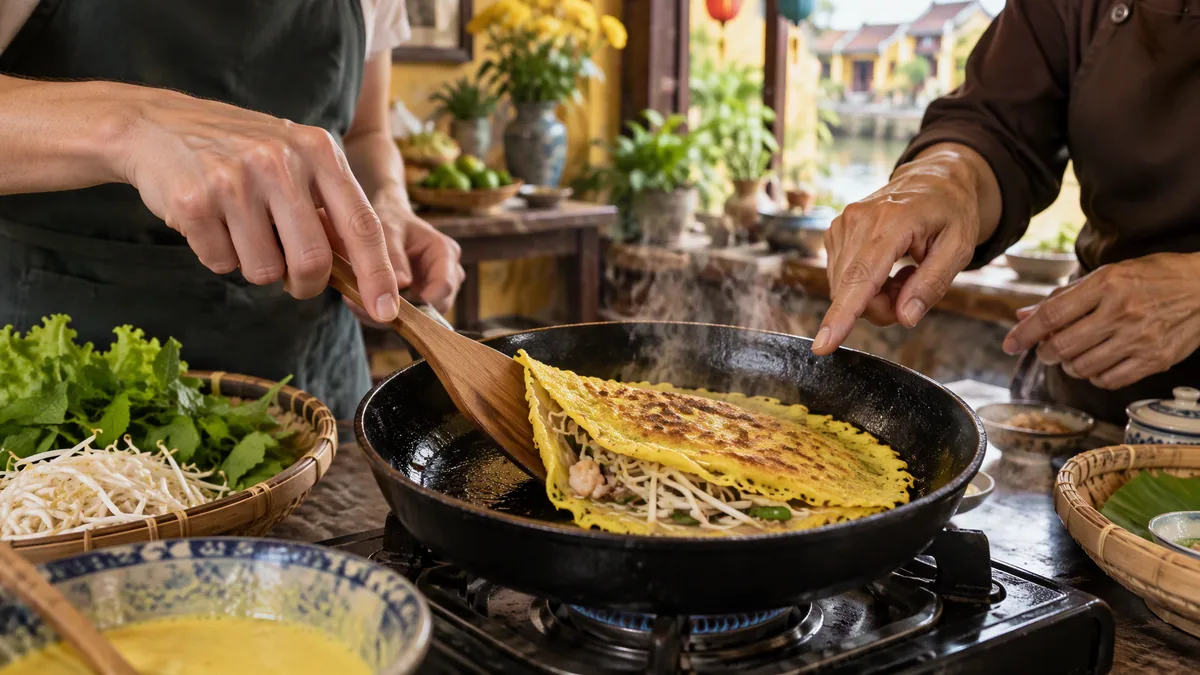
Reserve a morning or another confirmed session without squeezing in a distant excursion immediately afterward. You will enjoy the meal more if you are not watching the clock for your next transfer.
Before departure, reconfirm the meeting point, pickup area, return arrangements, and whether the lesson operates in your preferred language. Keep any walking, cycling, or boat section in mind when choosing clothes. During poor weather, ask the operator about changes to outdoor portions and access; an indoor kitchen does not guarantee the whole excursion is unaffected.
For families, check minimum ages and permitted cooking tasks. Red Bridge’s published policy allows children aged seven and above to join cooking, while younger children may accompany without actual cooking. That is its policy, not an industry-wide rule. Other hosts may set different limits around heat and sharp tools.
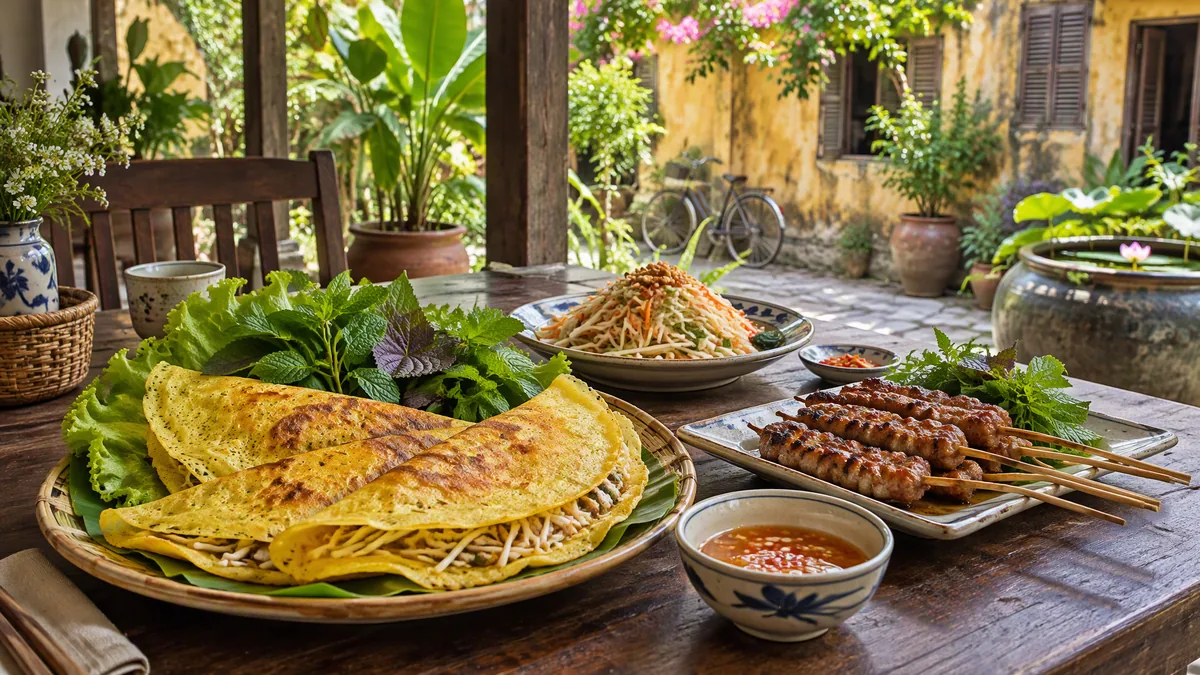
A rewarding Hoi An cooking class with market tour leaves you with more than a full stomach. You should understand a few ingredients, remember a technique, and feel able to try a dish again. Favor clear inclusions and patient teaching over a crowded checklist, then leave time to sit down and enjoy what you made.
No. Some lessons take place entirely in a kitchen. Confirm the market name and guided visit rather than assuming the class title includes shopping.
Not necessarily. Programs can mix demonstrations, shared preparation, individual cooking, and ready-made lunch dishes. Ask which parts you personally prepare.
Look for an introductory class with demonstrations and guided practice. Tell the host about your experience level before booking so the format matches your needs.
No. Vegetarian substitutions concern ingredients; allergy requirements can also involve cross-contact and equipment. Get specific arrangements confirmed before paying.
Policies vary by operator and task. Check age limits, supervision, and whether younger children may observe instead of using knives or cooking equipment.
Leave a buffer for lunch and the return journey. Reconfirm the finish time before arranging another tour, train, or airport transfer.
👉 Contact C Vietnam Tours to plan your Hoi An cooking experience and discuss your menu preferences and dietary needs.
👉 Or browse our Vietnam tour packages to add a culinary morning to your wider journey.
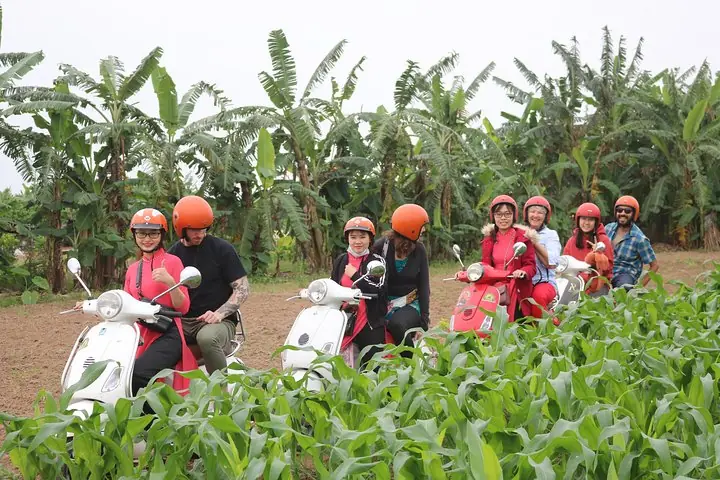
Hanoi Countryside Vespa Adventure – Half-Day Rural Experience



Mon Cheri Cruise 3 Days 2 Nights: A Luxury Journey To Lan Ha Bay

Hanoi Jeep Tour to Duong Lam Ancient Village & Ba Vi National Park

Vietnam Highlights 8 Days – Culture, Nature & Heritage Journey

Northern Vietnam Trekking Tour: Mai Chau, Pu Luong & Ninh Binh