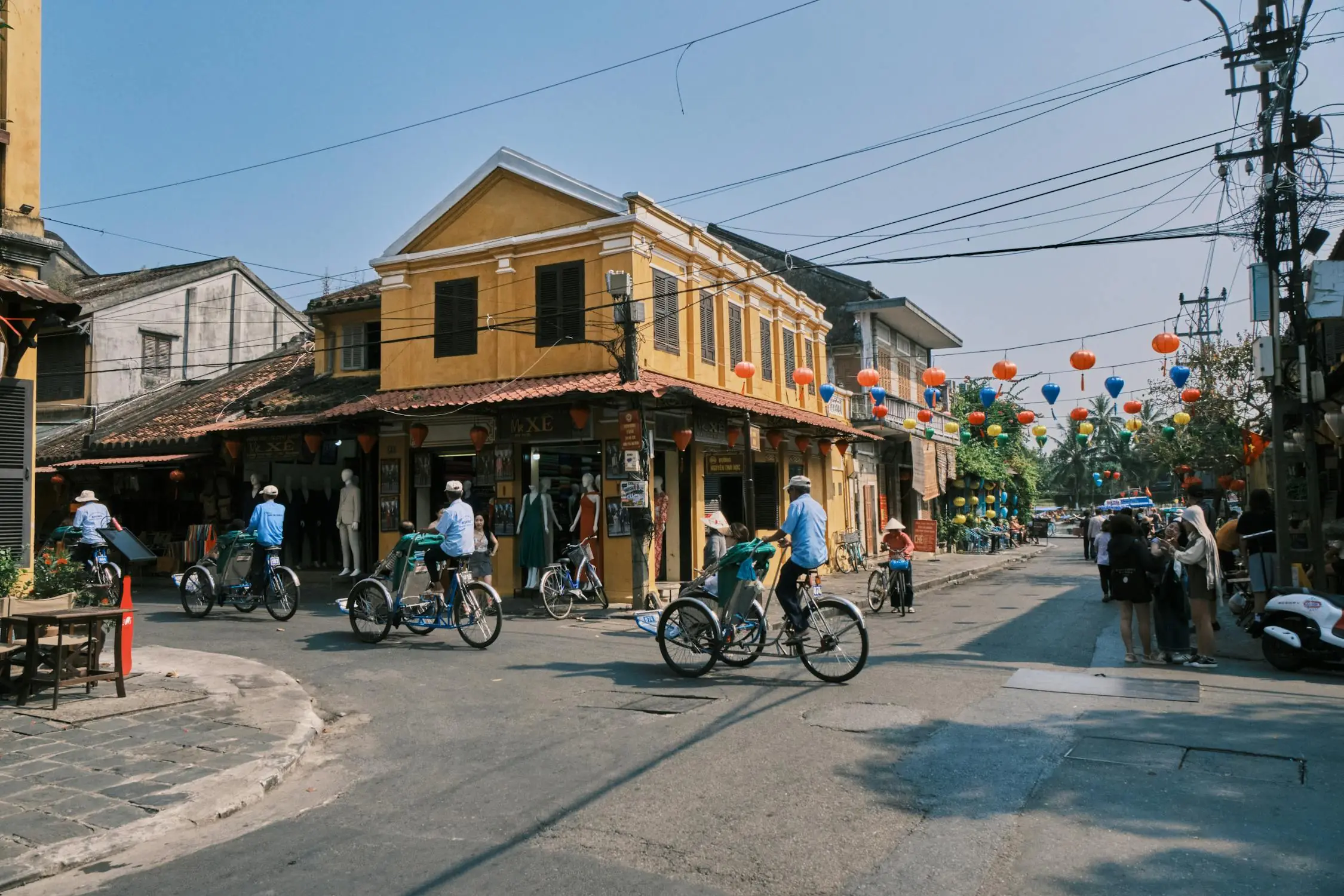
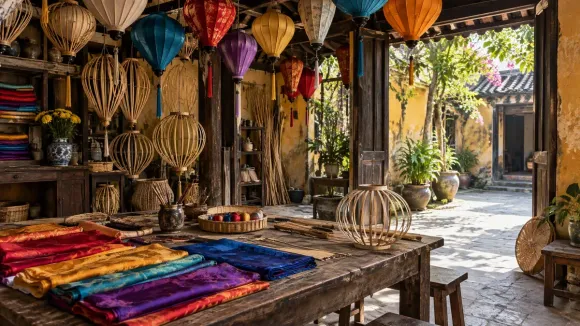
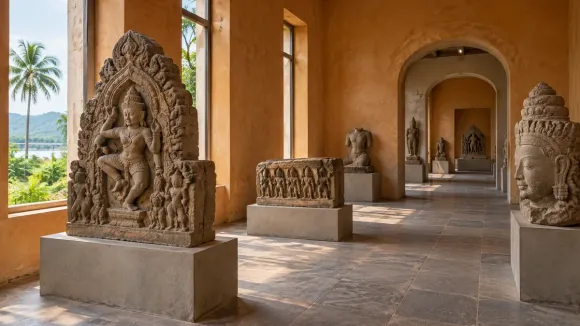
Before you visit Hoi An, you'll probably see the photos — lantern-lit streets, yellow-walled shophouses, a Japanese covered bridge arching over a lotus-green canal. You might think it looks a bit too perfect. A bit too staged.
Then you actually arrive.
And you realize the photos don't come close. Not because of the architecture — though the architecture is extraordinary — but because of the smell of Cao Lau broth drifting from a side alley at 7am, the sound of a tailor's sewing machine behind a half-open door, the way the whole town glows amber an hour after sunset. Hoi An is one of those places that earns every superlative thrown at it, and then some.
Here's what to know before your trip.
Hoi An was one of Southeast Asia's most important trading ports from the 15th to 19th century. Japanese merchants, Chinese traders, Dutch sailors, French colonists — they all passed through, and all left their mark on the architecture, the cuisine, and the street layout. The result is a town where a Japanese-style covered bridge sits thirty meters from a Chinese assembly hall, which sits a block away from a French colonial house.
What makes Hoi An exceptional is that it somehow avoided destruction during the wars that reshaped the rest of Vietnam. The Ancient Town — a UNESCO World Heritage Site — is the best-preserved trading port in Southeast Asia. Most of what you see is genuinely old. Not reconstructed. Not themed. Old.
The single best thing you can do on your first morning in Hoi An is leave your phone in your pocket, walk into the Ancient Town, and get deliberately lost.
The streets are compact, mostly car-free, and endlessly interesting. The Japanese Covered Bridge — the symbol of Hoi An, built in the 1590s — is the obvious starting point. From there, follow whatever looks interesting: a narrow alley smelling of incense, a courtyard full of potted plants, a shop where a woman is dyeing silk by hand in the doorway.
Tickets for the Ancient Town: You need a ticket (120,000 VND, roughly $5 USD) to enter the paid monuments — five out of 22 allowed entries to heritage buildings, assembly halls, and the Japanese Bridge. Buy from any of the yellow wooden ticket booths around town. The ticket is technically valid for 24 hours but in practice no one checks too carefully. You don't need a ticket just to walk the streets.
Best time to visit the Ancient Town: Early morning (before 8am) and after sunset. Midday is hot and busy. The town closes most streets to motorbikes from 8:30–11am and 3–9:30pm — these are the best hours to walk freely.
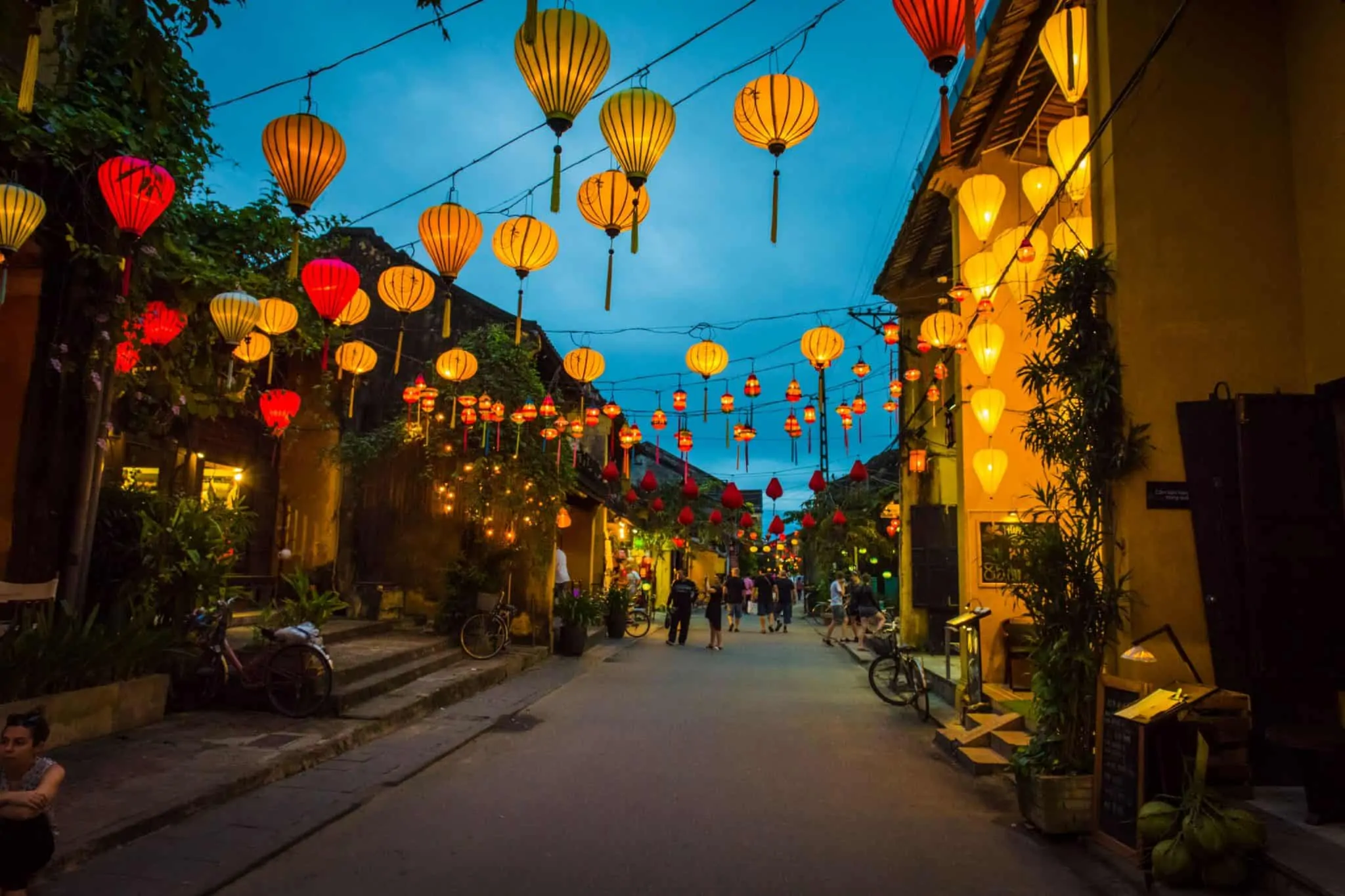
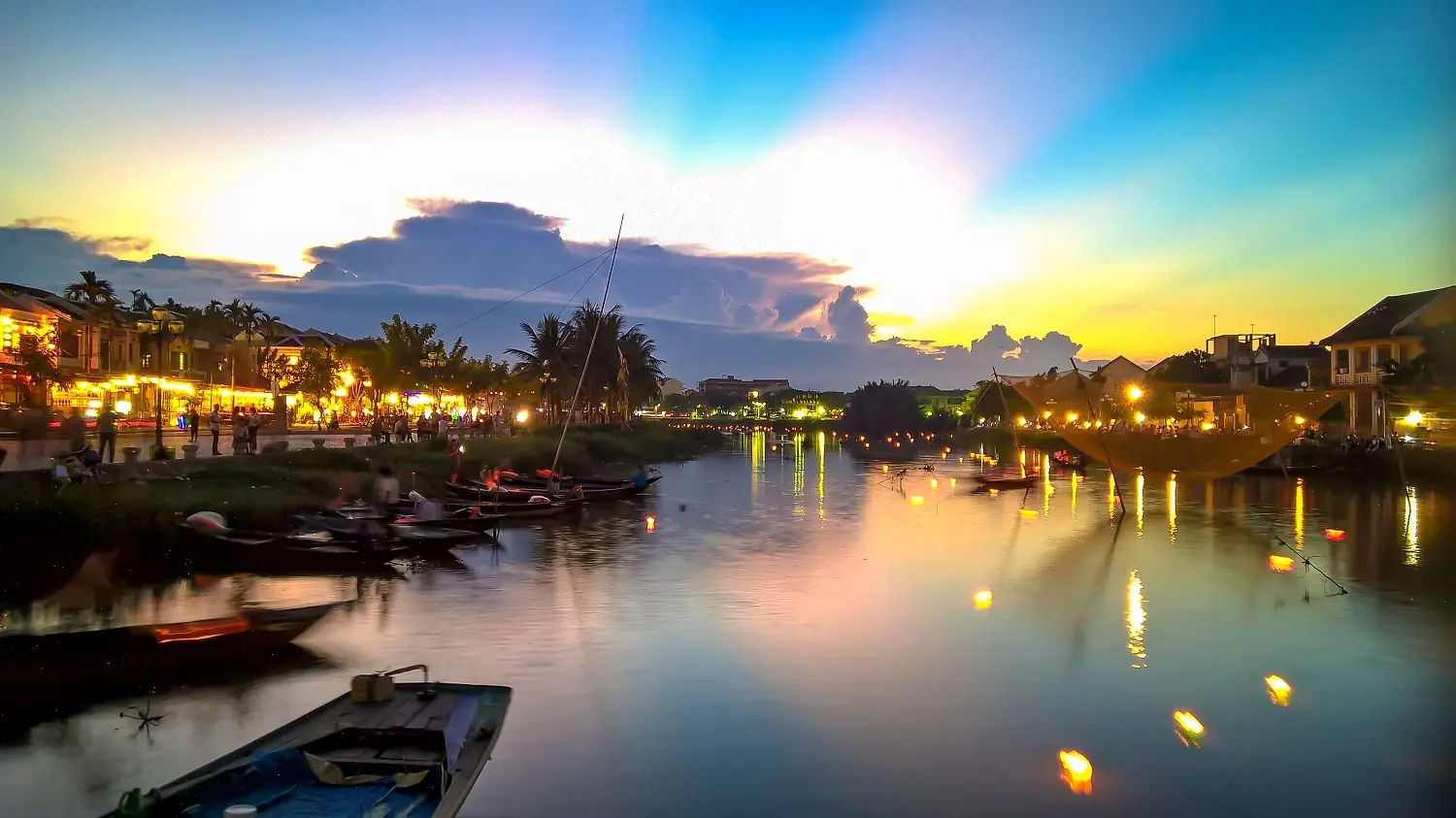
On the 14th day of each lunar month, Hoi An's Ancient Town turns off its electric lights and lights up with hundreds of silk lanterns. The streets glow in red, yellow, and orange. Vendors sell tiny floating lanterns you can release on the river. The whole town transforms into something that genuinely feels like another century.
If your trip dates align with a full moon, arrange your Hoi An nights around it. Check the lunar calendar before you book. It's that worth it.
Even on regular nights, the lanterns are beautiful — every shop and restaurant hangs them at dusk and the Ancient Town becomes one of the most photogenic places in Vietnam after dark.
Hoi An has its own cuisine. Not Vietnamese cuisine in general — specifically Hoi An dishes that exist nowhere else in the country, made with local ingredients in recipes that haven't changed in generations.
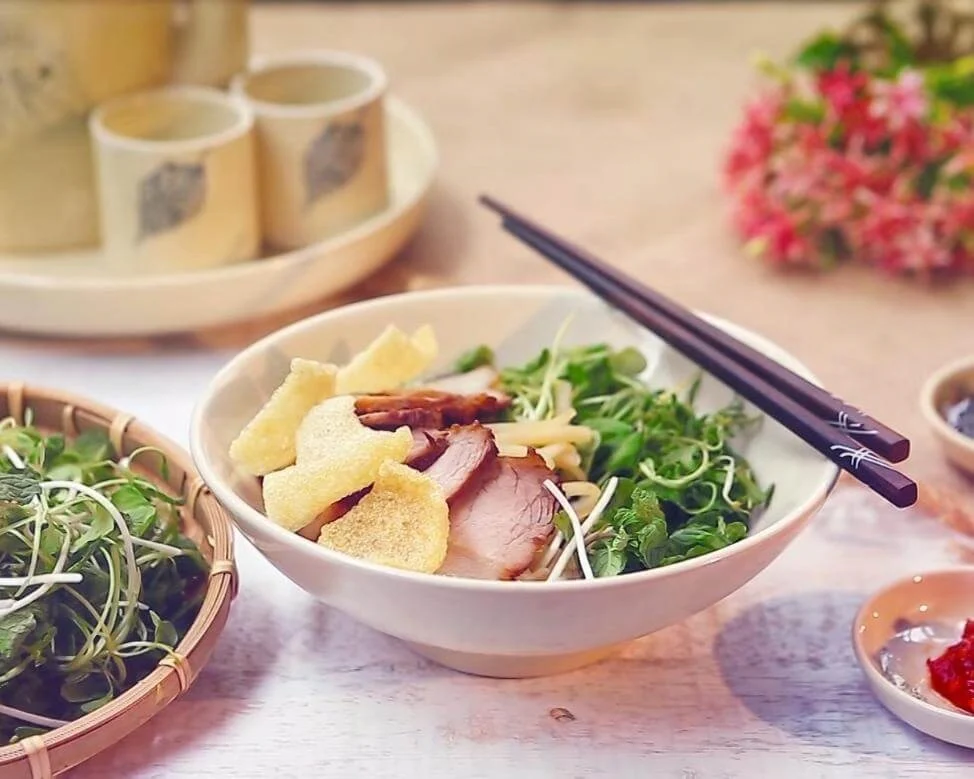
Cao Lau — Thick rice noodles with slices of pork, fresh greens, and crispy rice crackers, served in a small amount of broth. The noodles are made using water from a specific ancient well in town. You cannot eat authentic Cao Lau anywhere else. Order it everywhere and compare.
White Rose Dumplings (Banh Bao Vac) — Delicate steamed rice dumplings shaped like white roses, filled with shrimp or pork, topped with crispy fried shallots. Made by a single family in Hoi An and distributed exclusively to select restaurants. Ask your hotel which ones serve the original.
Banh Mi Phuong — If you've heard about Hoi An's banh mi, this is the source. Anthony Bourdain called it the best banh mi in the world. The queue at 7am will confirm the reputation. Get there early.
Mi Quang — Wide turmeric-yellow noodles with shrimp, pork, herbs, and a small amount of broth. A central Vietnam classic that Hoi An does particularly well.
Tip: Do a food tour on your first or second day — not the last. A good guide will show you places you'd never find independently, and then you have the rest of your trip to go back to your favorites.
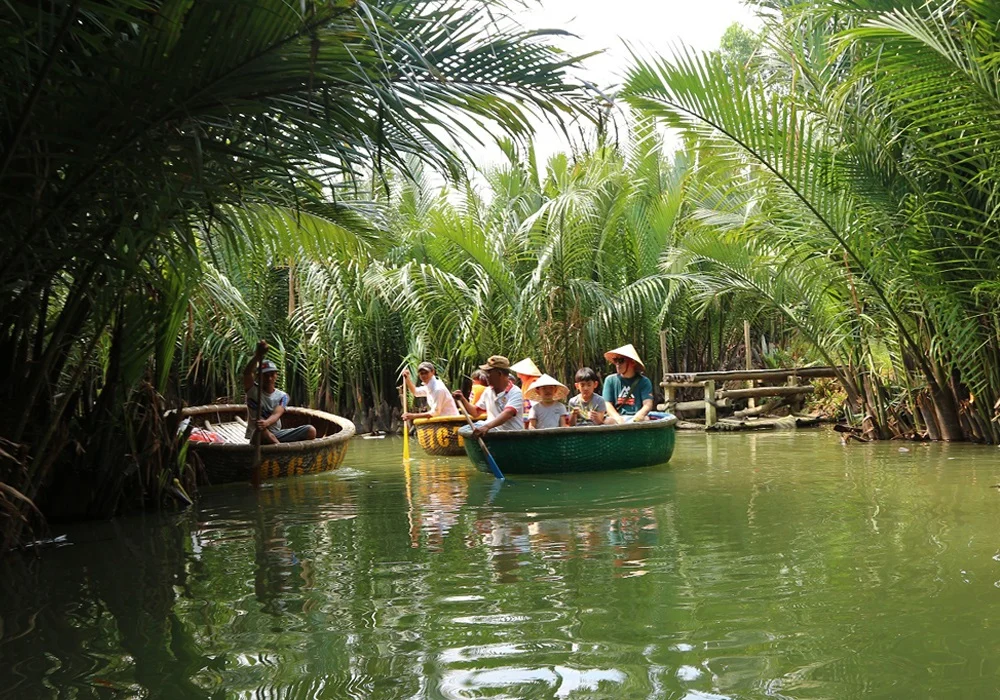
Hoi An rewards people who stay longer than one night. Here's what fills the extra days:
Basket Boat Ride in Cam Thanh Coconut Forest — A 5km ride from the Ancient Town, the Cam Thanh coconut forest is crisscrossed by waterways navigated in traditional round bamboo basket boats. Local boatmen spin the boats in dizzying circles as party tricks. Funny, photogenic, and genuinely fun. Worth the 45 minutes it takes.
Cooking Class — Every hotel can point you toward one. The best ones start at a local market in the morning, walk you through ingredient selection, and then have you cooking three or four traditional dishes by noon. The meal you eat at the end is the meal you made. One of the most satisfying things you can do in Hoi An.
Cycling to Tra Que Vegetable Village — A 3km bike ride from the town center, Tra Que is a working organic farm supplying herbs and vegetables to Hoi An's restaurants. You can join farmers in the fields, learn how to water and harvest, and eat lunch with a family. Quiet, green, and completely un-touristy.
An Bang Beach — 5km east by bicycle, An Bang is a long stretch of white sand with beach bars, seafood shacks, and significantly fewer crowds than the more developed Cua Dai Beach. Rent a sun lounger for around $1–2, order a cold beer or fresh coconut, and spend the afternoon doing nothing at all. Best months: February to August.
Lantern Making Workshop — Multiple workshops in the Ancient Town offer 45–60 minute sessions where you make your own Hoi An silk lantern. You take it home. Simple, inexpensive, and a much better souvenir than anything in a shop.
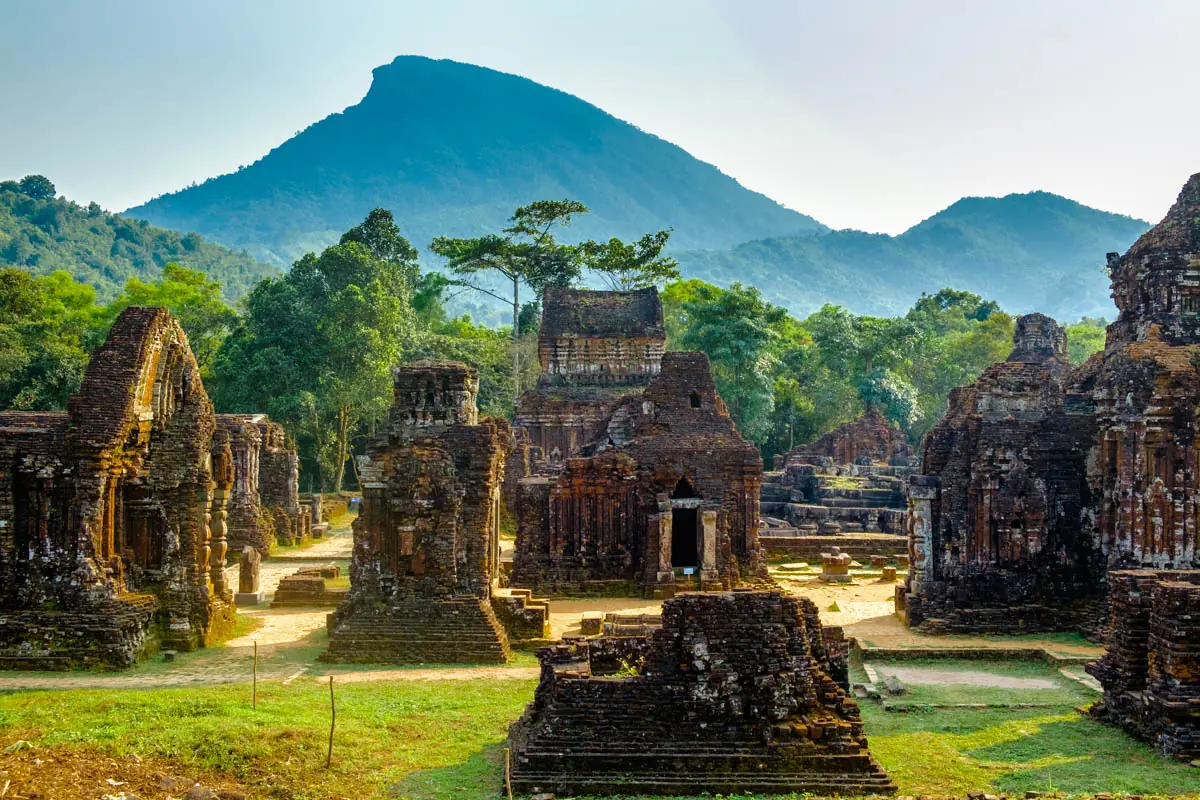
Hoi An is centrally placed for some excellent day trips.
My Son Sanctuary — A 90-minute drive into the jungle brings you to Vietnam's most significant Cham archaeological site: a cluster of brick towers built between the 4th and 14th centuries, dedicated to Hindu deities. Go early — mist clings to the ruins in the morning and the heat is manageable. An excellent contrast to the colonial-era architecture of Hoi An.
Da Nang — 45 minutes north, Da Nang gives you Marble Mountains (limestone peaks with cave pagodas), Dragon Bridge, and the best beach infrastructure in central Vietnam. Easily done as a half-day. → Da Nang Tours
Hue — 3 hours north, Vietnam's ancient imperial capital with the UNESCO Citadel, royal tombs, and the Perfume River. A full day minimum. The drive over Hai Van Pass is one of Vietnam's great coastal road journeys. → Hue City Tours
Cham Islands — A 90-minute speedboat ride offshore, the Cham Islands are part of a UNESCO Biosphere Reserve with excellent snorkeling around coral reefs. Only accessible April through August when seas are calm.
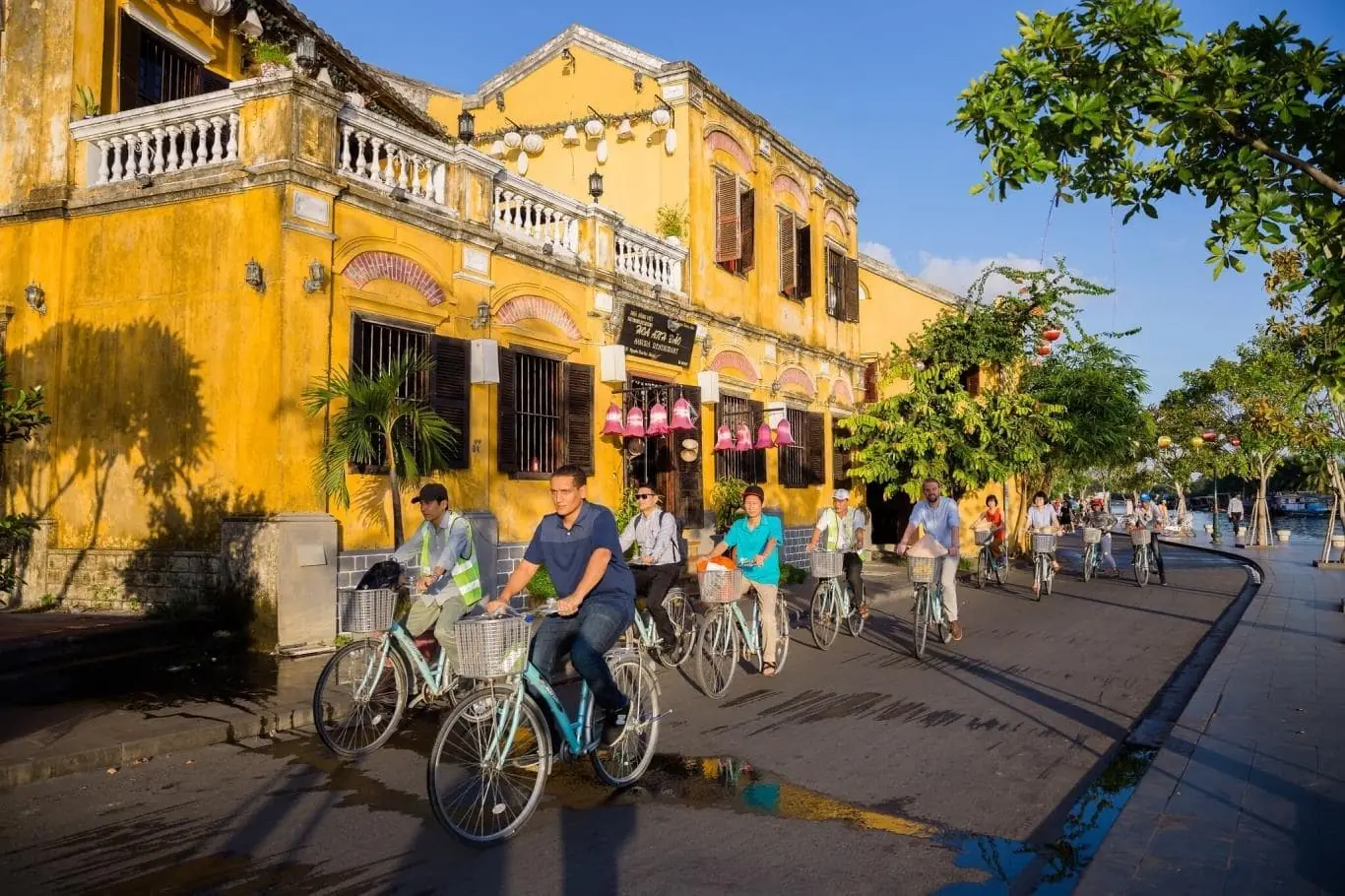
Getting around: The Ancient Town is best on foot. Beyond the town, most hotels offer free bicycles — use them. Grab works reliably in Hoi An for anything further. Note: Grab drivers can take you into the Ancient Town but cannot pick you up inside it. Walk to the edge of the closed streets to catch your ride out.
What to wear: The Ancient Town is an active religious and cultural site, not just a tourist zone. Dress respectfully — covered shoulders and knees for temple visits. Light breathable fabrics work year-round.
Currency: Vietnamese Dong only at local restaurants and market stalls. Major hotels, restaurants, and shops accept cards. ATMs are plentiful but daily withdrawal limits apply.
When to visit: February to May is the sweet spot — dry, warm, lower crowds than summer. October to mid-December is the rainy season — flooding in the Ancient Town is common. Avoid if possible, or embrace it as an atmospheric experience with waterproof sandals.
How many days: Three days minimum. Two days is rushed. Four or five days is where Hoi An truly opens up and the slower pace starts to feel natural.
Hoi An sits in the center of Vietnam — which makes it the natural midpoint of almost any itinerary.
The most common routes:
C Vietnam Tours offers Hoi An Tours that cover the Ancient Town, local villages, cooking experiences, and day trips — as well as full central Vietnam itineraries connecting Hoi An with Hue and Da Nang.
For the full picture:
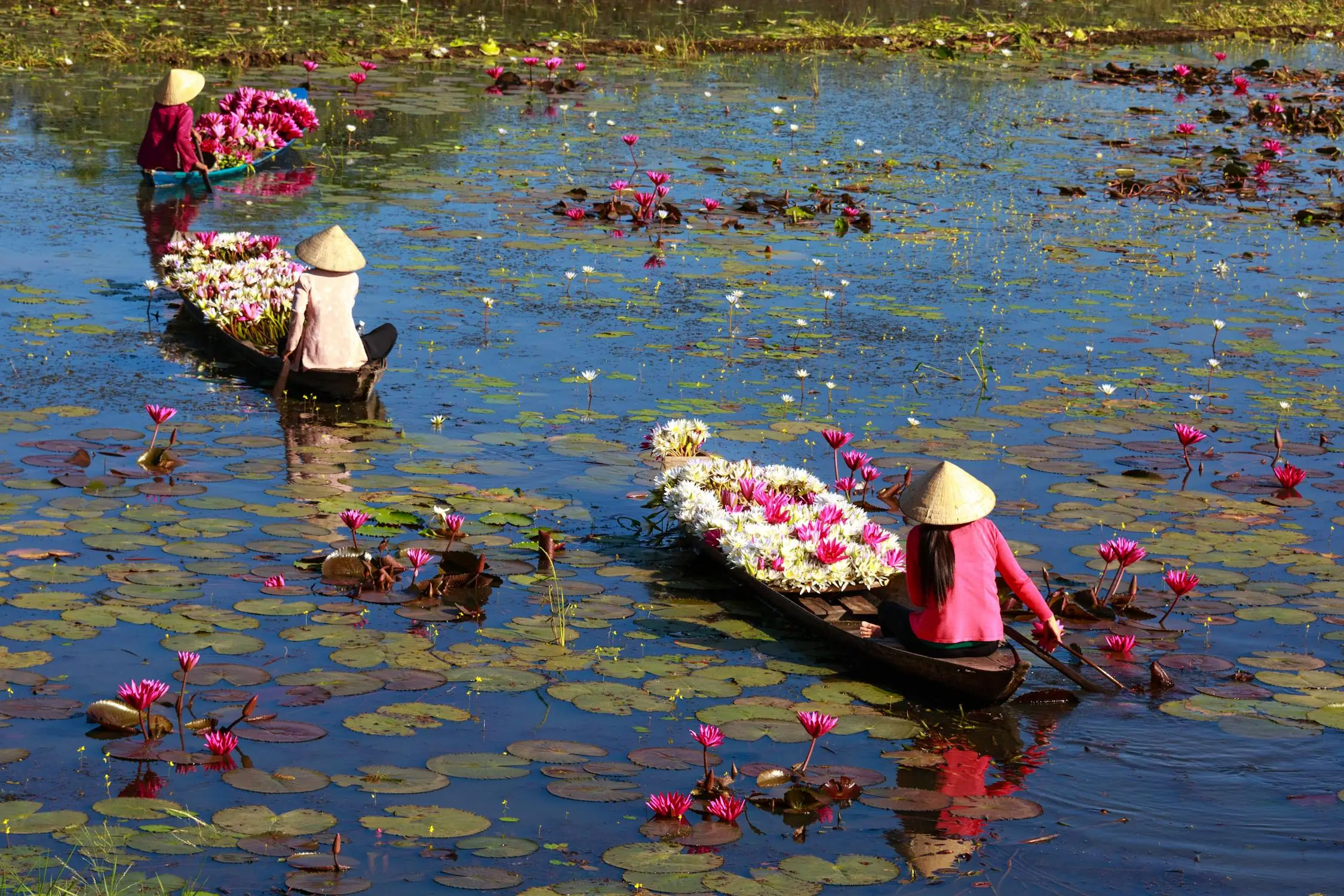
Vietnam Highlights 8 Days – Culture, Nature & Heritage Journey
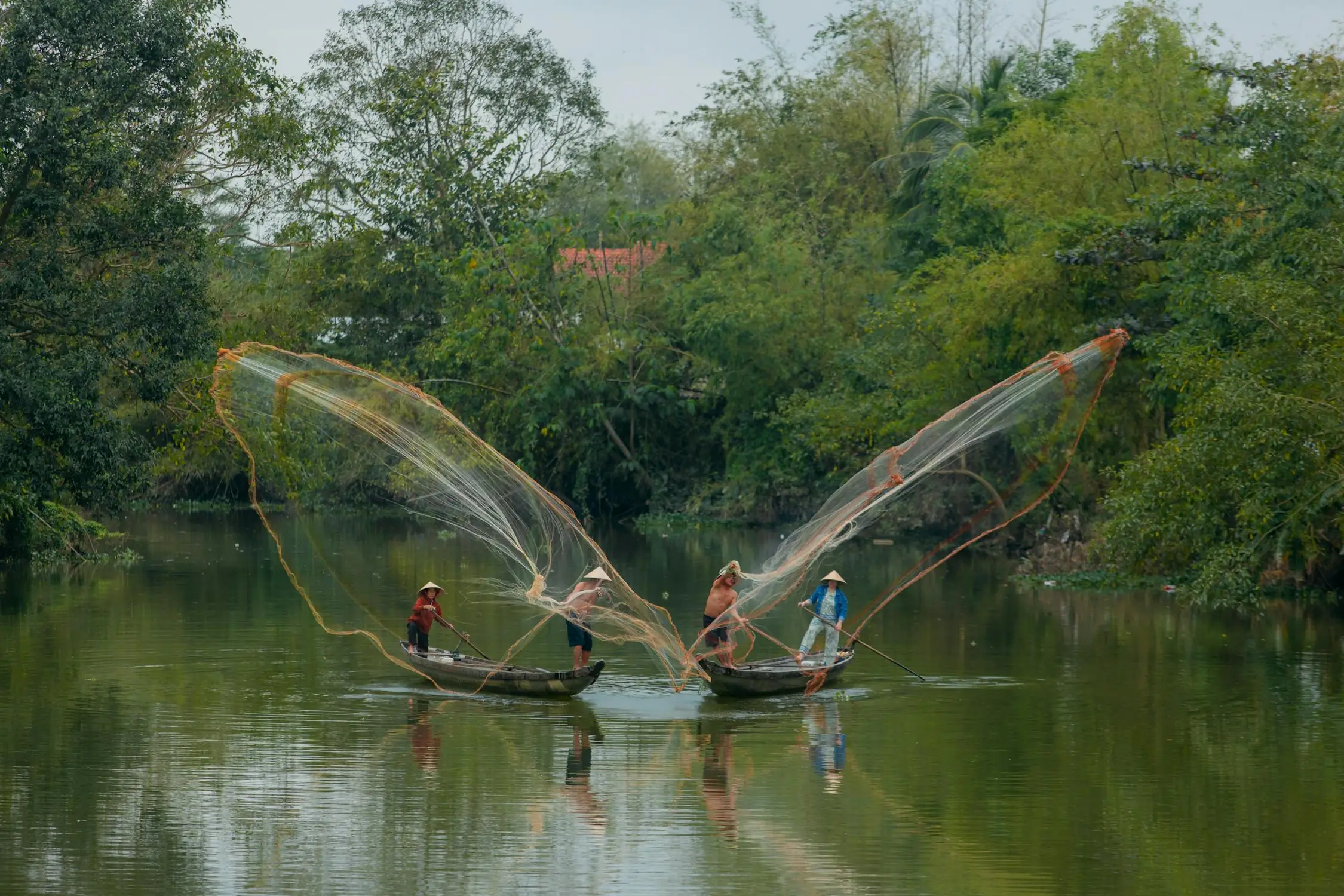
Best A Luoi Tour Package from Hue – Authentic Highland Experience
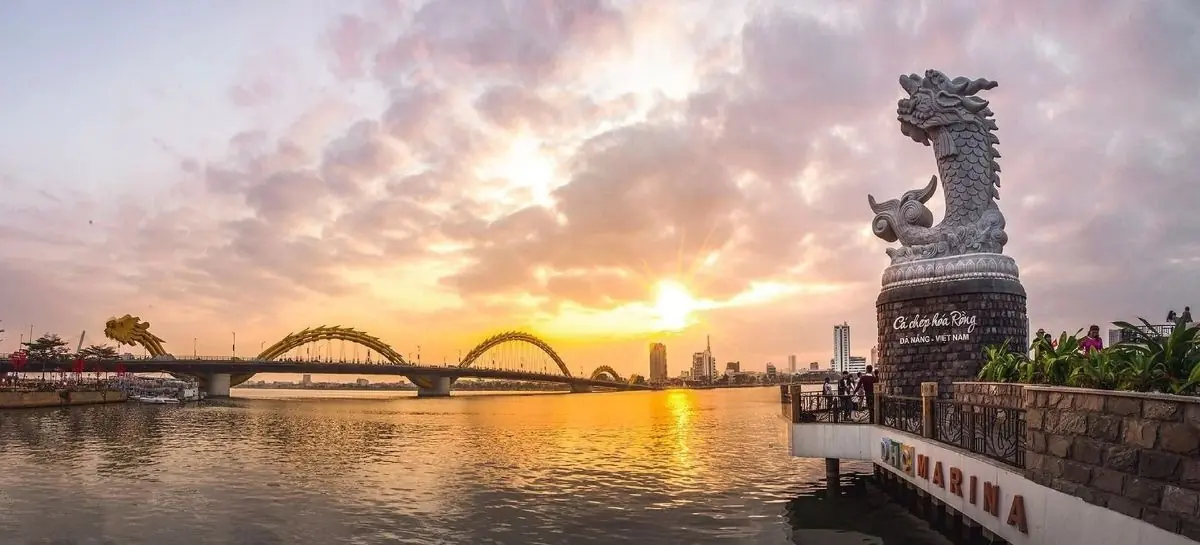
Danang Beach Break 4 Days | Relaxing Da Nang Beach Holiday Tour

Best Vietnam Family Tour with Kids – 14 Days / 13 Nights
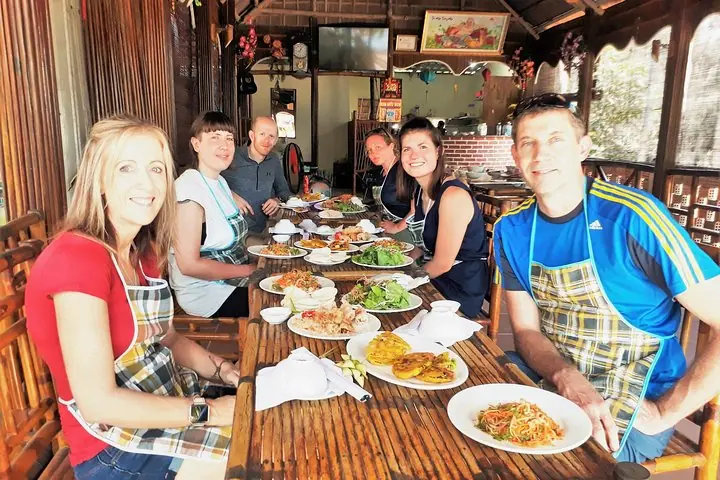


Vietnam Family Holiday from North to South 16 days