Picture this: dawn breaks over the Perfume River as morning mist wraps around centuries-old pagodas. A cyclo driver pedals past colonial villas while incense smoke curls from family altars. This is Hue—where Vietnam's imperial soul still beats strong, 143 years after the last emperor left the throne.
Unlike the frenetic energy of Hanoi or the modern polish of Ho Chi Minh City, Hue moves at its own unhurried pace. Here, traditions aren't museum pieces—they're living practices maintained by families whose ancestors served emperors, perfected royal recipes, and built monuments that survived wars.
Most travelers rush through Hue in a single day, ticking off the Citadel and a tomb before racing to Hoi An. They miss what makes this city extraordinary: the depth of cultural immersion available to those who slow down and look closer.
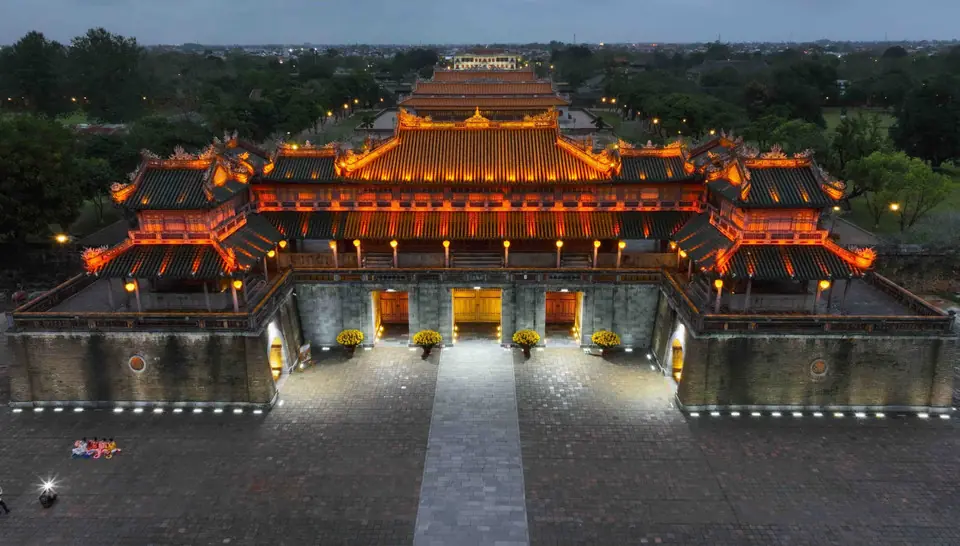
Hue Imperial Citadel sunrise golden light Vietnam (Source: Collected)
The UNESCO-listed Imperial Citadel isn't just Vietnam's largest ancient complex—it's where 13 Nguyen Dynasty emperors ruled for over a century. Walking these grounds means tracing the footsteps of Emperor Gia Long, who unified Vietnam in 1802, and witnessing architecture that blends Chinese imperial design with Vietnamese craftsmanship.
Arrive at sunrise (6:00-6:30 AM) when gates open and morning light bathes the complex in gold. You'll have courtyards nearly to yourself, watching local elders practice tai chi where emperors once held court.
Skip the rushed group tour. Instead, hire a knowledgeable local guide (arrange through your hotel) who can explain the symbolic meanings embedded in every architectural detail—why specific buildings face certain directions, what the ceramic tile motifs represent, how royal ceremonies unfolded.
Focus on the Forbidden Purple City: While 80% was destroyed during the 1968 Tet Offensive, ongoing restoration reveals incredible details. The Royal Theatre still hosts traditional court music performances that echo across centuries.
Don't miss: The photo exhibition inside restored buildings showing the Citadel before war damage—heartbreaking yet essential context for understanding what you're seeing.
Time needed: 3-4 hours minimum for meaningful exploration
Pro tip: Visit on weekdays to avoid domestic tour groups. Wear comfortable shoes—the complex spans 500 hectares.
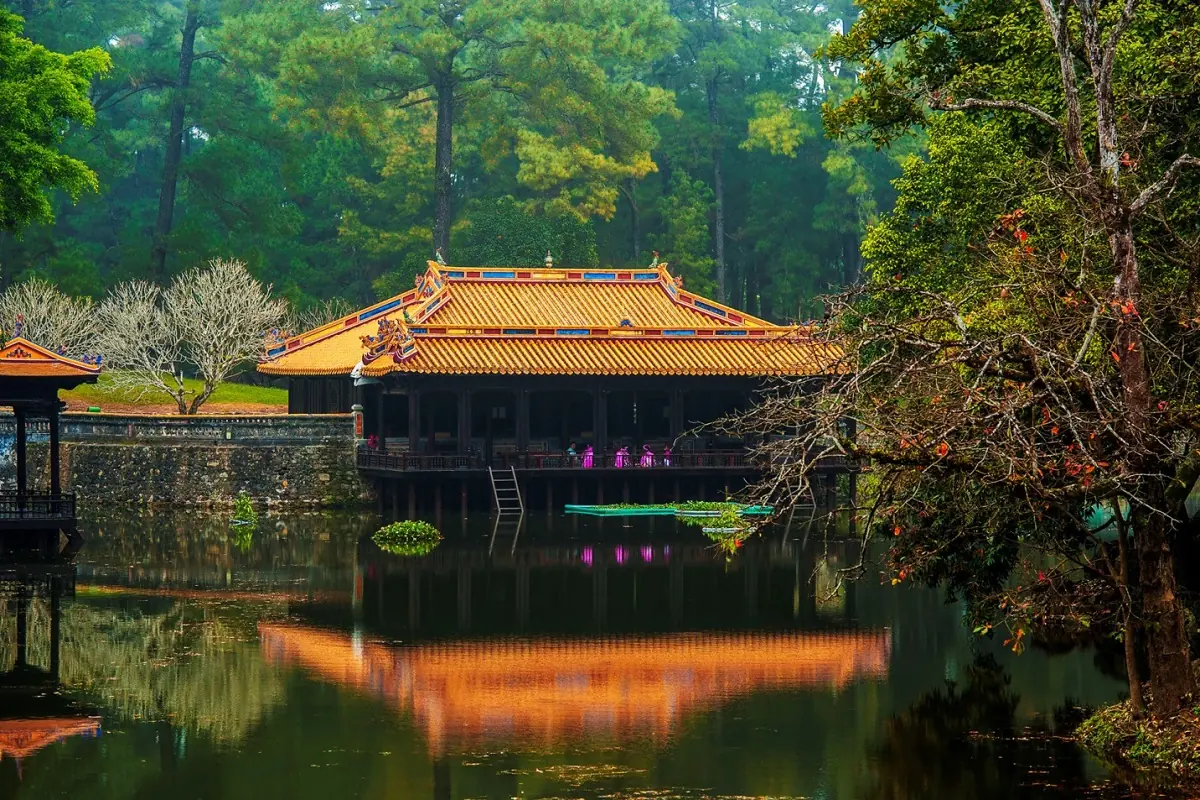
Tu Duc royal tomb garden pond Hue Vietnam (Source: Collected)
Each of Hue's seven royal tombs reflects its emperor's personality, philosophy, and era. These aren't just burial sites—they're elaborate complexes where emperors spent years designing their eternal resting places, blending temples, gardens, lakes, and pavilions into masterpieces of landscape architecture.
Tu Duc Tomb (Must-Visit): Emperor Tu Duc used this complex as his summer retreat before death. Pine forests surround elegant pavilions overlooking lotus-filled ponds. The emperor, who had 104 wives but no children, poured his aesthetic sensibilities into creating this tranquil escape. The tomb itself remains empty—his burial location was kept secret to prevent grave robbing.
Khai Dinh Tomb (Architectural Fusion): This controversial emperor embraced French influence, creating Vietnam's most unusual tomb. The exterior appears gothic—blackened concrete rising up a hillside. Inside, intricate glass and ceramic mosaics cover every surface in stunning detail. The blend of Eastern and Western styles divided public opinion then and now.
Minh Mang Tomb (Classical Perfection): Over 40 structures arranged in perfect symmetry across vast grounds surrounding a lake. This tomb embodies traditional Confucian order and military precision—fitting for an emperor who expanded Vietnam's territory significantly.
Getting there: Rent a motorbike or hire a car with driver for the day. The tombs lie 6-15km from central Hue. Don't attempt to see all seven—choose 2-3 for meaningful visits rather than rushed photo stops. For hassle-free exploration, consider a comprehensive Hue royal tombs tour that covers the best tombs with expert commentary.
Time needed: 1.5 hours per tomb
Best timing: Early morning or late afternoon to avoid midday heat and tour groups
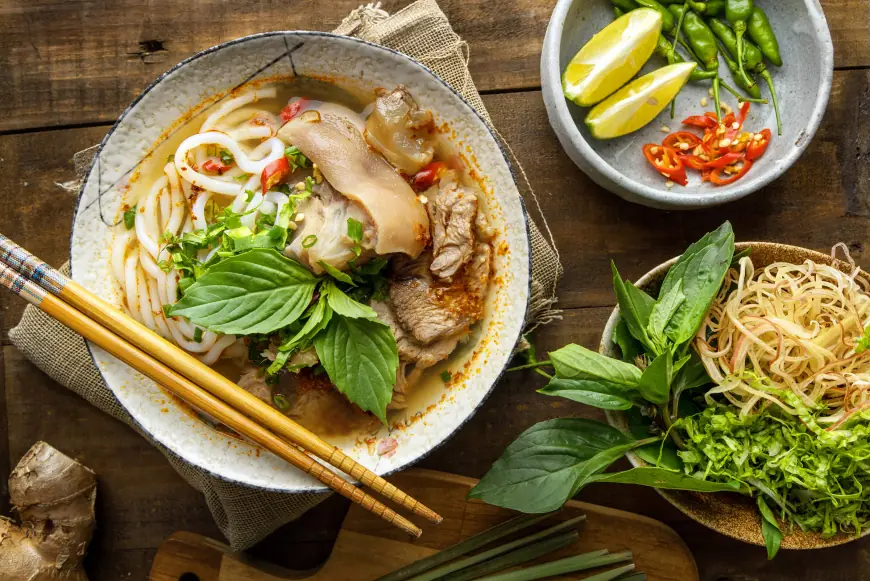
Hue cooking class Bun Bo soup preparation (Source: Collected)
Hue's culinary heritage differs fundamentally from northern and southern Vietnamese food. Imperial chefs once created elaborate dishes for emperors, using rare ingredients and presentation techniques that elevated eating to an art form. Today, local families maintain these traditions, teaching visitors recipes passed down through generations.
Join a small-group cooking class that begins at Dong Ba Market. Your instructor—often someone whose grandmother cooked for royal families—guides you through selecting fresh ingredients while explaining the philosophy behind Hue cuisine: balance, presentation, and symbolic meaning.
You'll learn to make:
What makes it special: Understanding why certain ingredients combine, how presentation communicates respect, and why Hue food tends toward smaller, more elaborate dishes than other regions.
Recommended operators: Look for family-run classes in residential neighborhoods rather than commercial cooking schools. Your hotel can connect you with authentic experiences.
Time needed: 4-5 hours (market visit + cooking + eating)
Cost: $30-50 per person
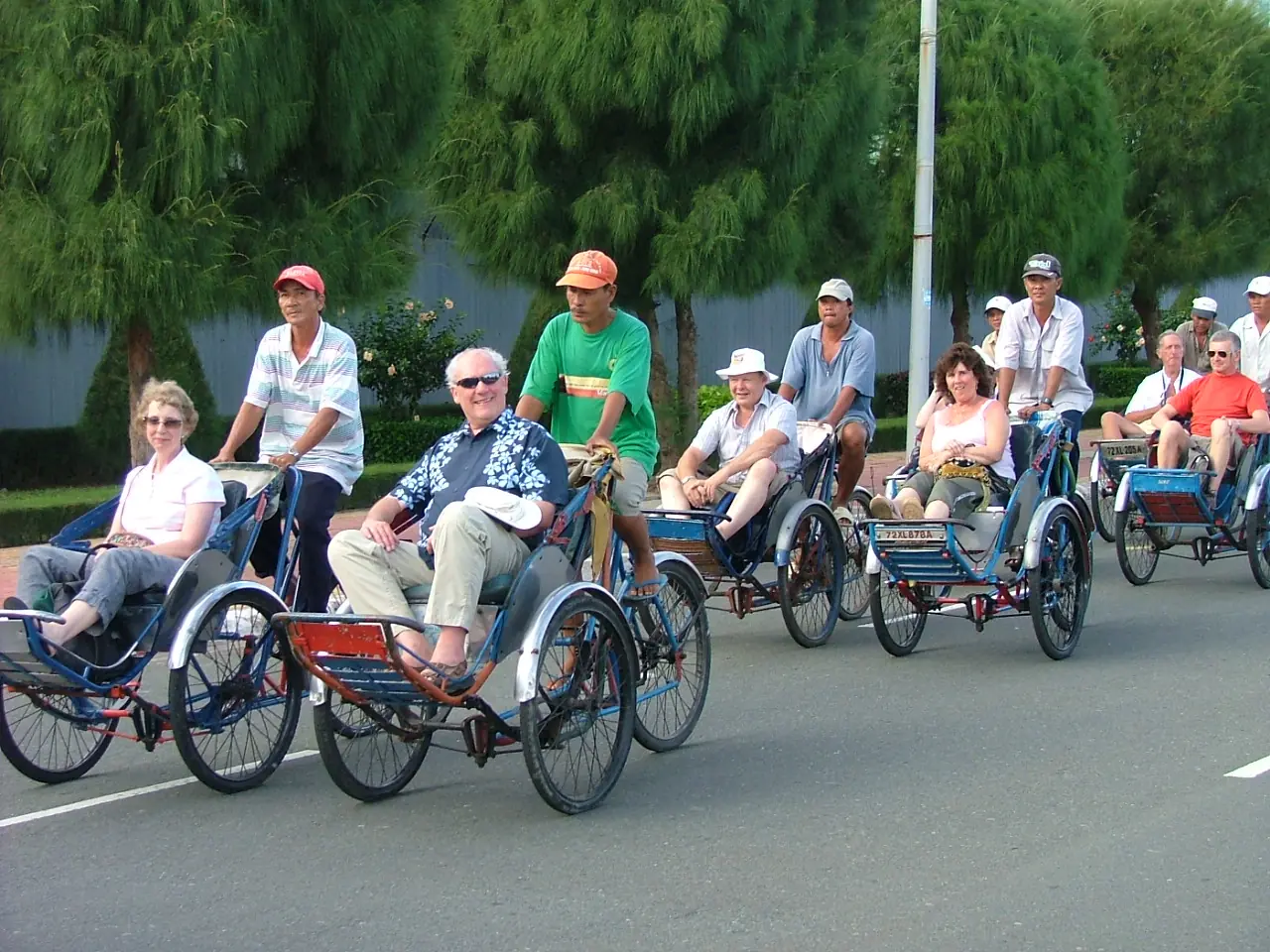
Cyclo ride colonial architecture Le Loi street Hue (Source: Collected)
Hue's flat terrain and quiet back roads make it one of Vietnam's most bikeable cities. Cycling lets you discover the villages where traditional crafts survive, witness daily life along the Perfume River, and experience the peaceful atmosphere that defines Hue's character.
Thanh Tien Paper Flower Village (8km from center): Watch artisans create intricate paper flowers used for temple offerings. Families have practiced this craft for generations, especially busy during Tet when demand peaks. Stop to try making your own—the process requires surprising skill.
Phu Cam Conical Hat Village: See how Hue's iconic non la (conical hats) are made through meticulous handwork. From selecting bamboo to sewing palm leaves with silk thread, creating a single hat can take days. The best hats feature poetry or images visible only when held up to light.
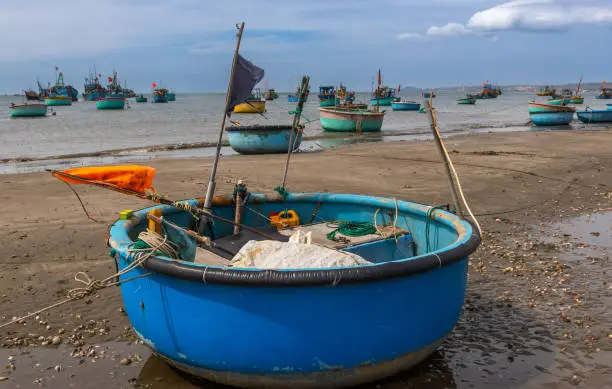
Thuan An Beach (15km): Pedal through fishing villages to reach this undeveloped beach where locals still launch traditional basket boats. Less touristy than beaches further south, this offers authentic coastal atmosphere.
Thien An Hill & Monastery: A challenging ride rewarded with panoramic city views and a peaceful Buddhist monastery set in pine forest.
Practical tips:
Time needed: Half-day to full-day depending on route
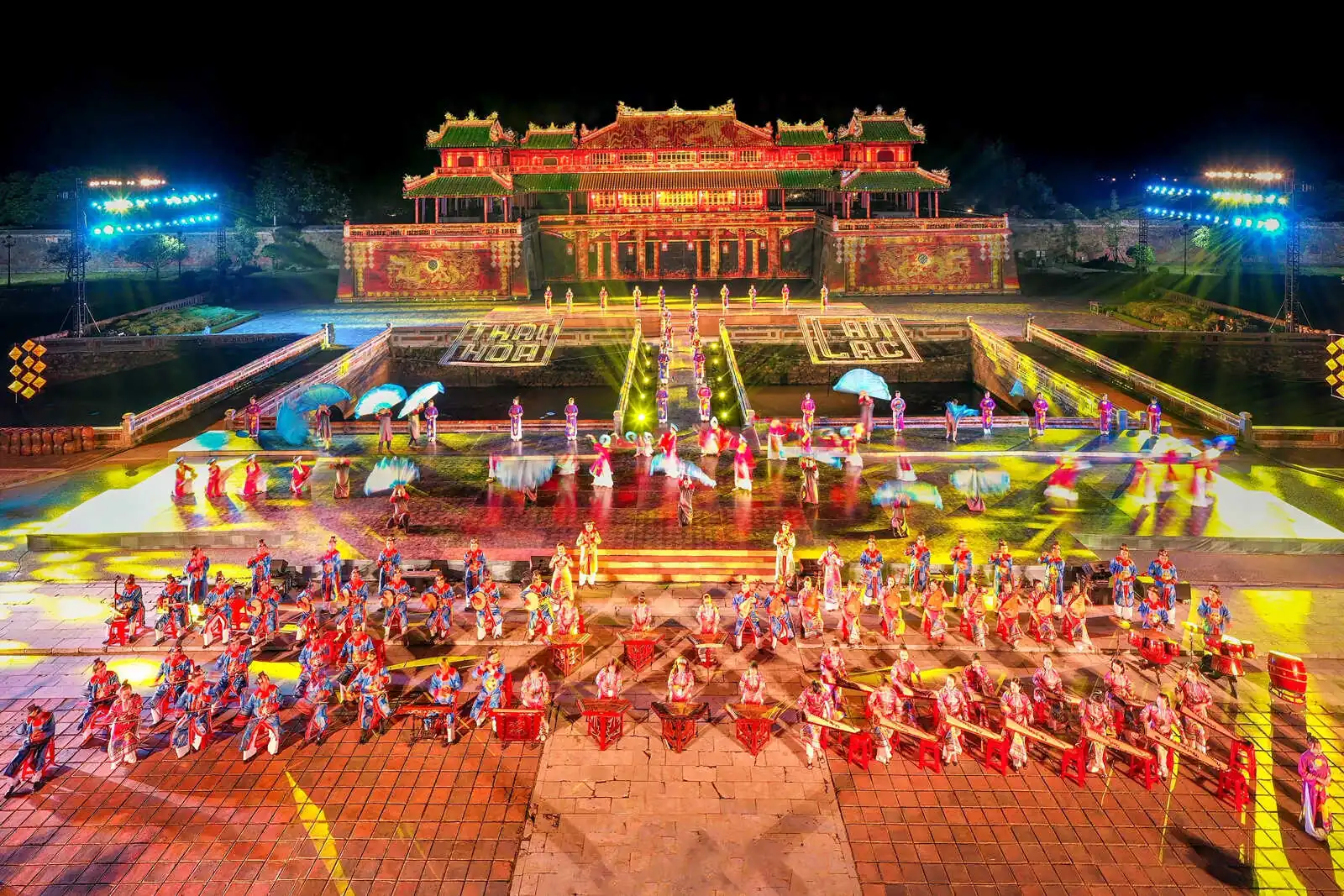 (Source: Collected)
Nha Nhac—Vietnamese royal court music—represents the only Southeast Asian music tradition recognized by UNESCO as Intangible Cultural Heritage. These performances preserve melodies, instruments, and vocal techniques that entertained emperors for centuries.
Attend an evening performance inside the Imperial Citadel's Royal Theatre or at select traditional garden houses. Musicians in royal costumes play period instruments rarely heard elsewhere: the dan tranh (16-string zither), dan nguyet (moon lute), and trong (various ceremonial drums).
The music sounds otherworldly to Western ears—slow, contemplative melodies following scales and rhythms that predate modern Vietnamese music. Some pieces served specific ceremonial functions: welcoming ambassadors, celebrating victories, or honoring ancestors.
What makes it authentic: These aren't tourist shows—they're cultural preservation performances by musicians who studied this tradition formally and often learned from family members who played for the last emperors.
Where to watch:
Time needed: 60-90 minutes
Cost: 200,000-400,000 VND ($8-16) depending on venue
Pro tip: Research the performance beforehand to understand what you're hearing. The slow pace and unfamiliar tonalities require adjusted expectations.
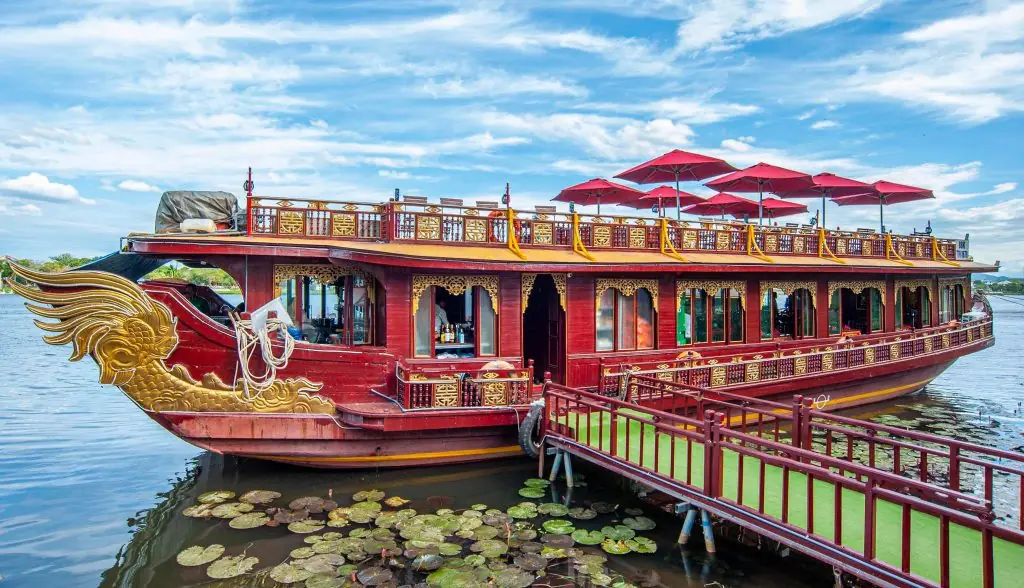
Traditional dragon boat Perfume River sunset Hue (Source: Collected)
The Perfume River (Huong River) flows through Hue's history and daily life. Named for the aromatic flowers that once floated downstream during autumn, this waterway offers perspectives on the city impossible to gain from land.
Board a dragon boat—traditional wooden vessels with ornately carved dragon-head prows—in late afternoon. As your boat glides upriver, you'll pass:
Truong Tien Bridge: This iconic iron bridge, built in 1897 during French colonial rule, lights up beautifully at dusk
Thien Mu Pagoda: Vietnam's tallest religious structure (21 meters) stands seven tiers high on a hill overlooking the river. Its octagonal tower has become Hue's unofficial symbol.
Local life scenes: Fishermen checking nets, children swimming, families gathering on riverbanks for evening meals
The sunset: Watch the sky turn amber and rose over the Citadel's walls while your boat rocks gently with the current.
Options:
Best timing: Book for 4:00-4:30 PM departure to catch optimal light
Cost: 100,000-200,000 VND ($4-8) for group boats; 400,000+ VND ($16+) for private charters
Pro tip: Bring layers—river breezes can feel cool at sunset even in warm months.
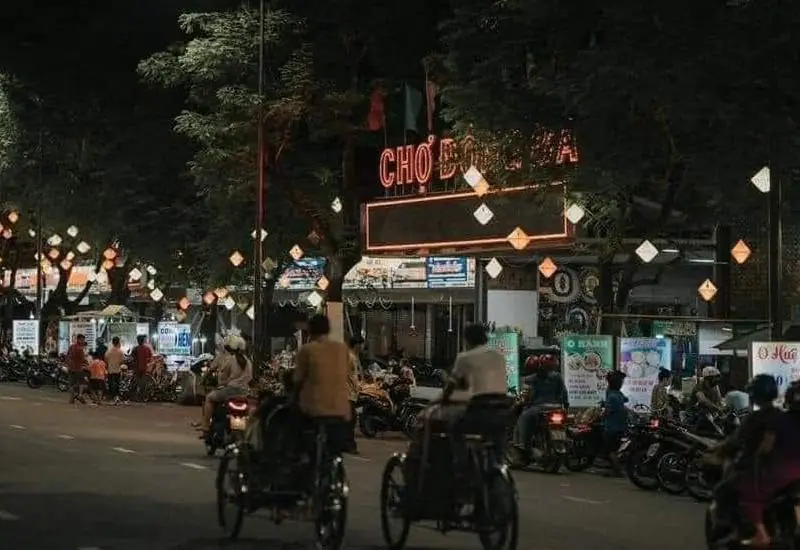
Dong Ba Market fresh produce vendors Hue Vietnam (Source: Collected)
Dong Ba Market isn't just Hue's largest traditional market—it's where residents have shopped for over a century. The three-story building houses everything from exotic fruits to ancestral altar supplies, offering unfiltered glimpses into daily Vietnamese life.
Arrive between 6:00-8:00 AM when the market pulses with energy. Vendors arrange colorful produce pyramids, butchers prepare the day's meat, and locals haggle over prices in rapid-fire Vietnamese.
Ground floor: Fresh produce, herbs, and the ingredients that make Hue cuisine unique—special chilies, lemongrass varieties, and vegetables you won't recognize
Second floor: Clothing, fabrics, and household goods. This is where tailors buy materials and families shop for Tet decorations.
Third floor: Souvenirs, handicrafts, and the inevitable tourist kitsch—but also quality lacquerware, embroidered goods, and conical hats if you know what to look for
Food stalls: Hidden in corners and back alleys, these serve some of Hue's most authentic breakfast dishes. Point at what looks good and sit on a plastic stool to eat.
What to buy:
Practical tips:
Time needed: 1.5-2 hours
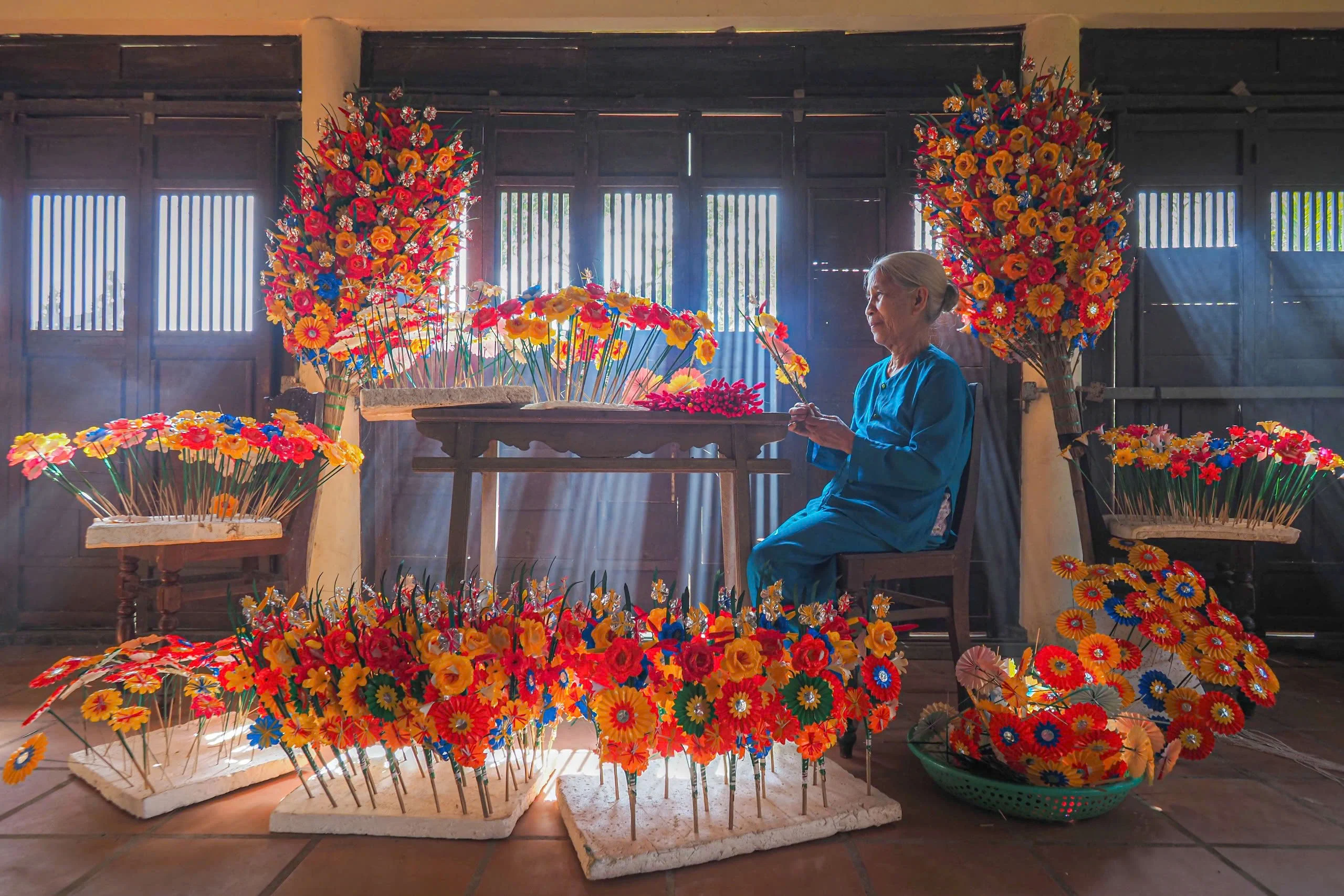
Thanh Tien paper flower artisan craft village Hue (Source: Collected)
While many Vietnamese craft traditions have disappeared under modernization's pressure, several villages near Hue maintain centuries-old techniques. Visiting these communities supports traditional artisans while offering hands-on cultural immersion impossible in cities.
Thanh Tien Paper Flower Village: Families here specialize in creating paper flowers for temple offerings and celebrations. Watch artisans cut, dye, and shape bamboo paper into lotus blossoms, chrysanthemums, and other symbolic flowers. During Tet preparation (December-January), entire households work day and night to meet demand.
Phu Cam Conical Hat Village: Located right in Hue city, this neighborhood has produced non la for generations. See how artisans split bamboo into thin ribs, sew palm leaves with silk thread, and sometimes hide poetry between layers—visible only when held up to sunlight.
Thuy Xuan Incense Village: Acres of colorful incense sticks drying in the sun create Instagram-worthy scenes. But beyond photos, you'll learn how families mix aromatic powders, roll incense onto bamboo sticks, and maintain recipes passed down through generations.
How to visit:
What to expect: Most artisans welcome visitors warmly and allow photography. Some offer hands-on workshops where you can try the craft yourself—harder than it looks! Consider purchasing directly from craftspeople to support their work.
Time needed: 2-3 hours per village
Imperial Hue cuisine represents Vietnamese culinary art at its peak. Royal chefs once created elaborate multi-course meals for emperors, with each dish balanced for flavor, nutrition, and symbolic meaning. Presentation mattered as much as taste—the Vietnamese phrase "eating with your eyes" originated here.
Several Hue restaurants now offer royal banquet experiences, serving dishes once reserved for nobility. You'll encounter:
Bát Trân (Eight Precious Dishes): Traditionally featuring rare ingredients like abalone, bird's nest, and sea cucumber. Modern versions use sustainable alternatives while maintaining elaborate preparation and presentation.
Bánh Ít Nhân Tôm (Shrimp Dumplings): Translucent rice flour dumplings filled with seasoned shrimp, each carefully shaped to perfection
Nem Lụi (Lemongrass Pork Skewers): Minced pork wrapped around lemongrass stalks, grilled and served with special sauces
What makes it special: Dishes arrive on ornate platters, each element thoughtfully arranged. Many restaurants present meals in royal-style settings—servers in traditional costume, classical music accompaniment, and ceremonial serving rituals.
Where to experience it:
Cost: $15-40 per person for full royal banquet experience
Pro tip: Book ahead, especially for dinner. Mention if you have dietary restrictions—most chefs can adapt dishes.
Time needed: 2-3 hours (royal banquets aren't rushed affairs)
Hue's relaxed pace perfectly suits cyclo travel—the three-wheeled bicycle taxis that once dominated Vietnamese streets. Unlike motorbikes or cars, cyclos move slowly enough to absorb details: architectural flourishes on colonial buildings, vendors setting up roadside stalls, elderly residents chatting on doorsteps.
Your cyclo driver pedals you through tree-lined streets while pointing out landmarks and sharing stories. Many drivers are older gentlemen who remember Hue before motorbikes multiplied, when cyclos carried everyone from students to businessmen.
Recommended routes:
Colonial Architecture Tour: Along Le Loi street past La Residence Hotel's art deco facade and Quoc Hoc High School's stately red buildings where Ho Chi Minh once studied
Riverside Morning Route: Early rides along the Perfume River as mist lifts and locals begin their day—tai chi practitioners, street food vendors, fishermen preparing boats
Sunset Citadel Circuit: Circumnavigating the Imperial City's moat as evening light turns the walls golden
How it works:
Best timing:
Time needed: 1-2 hours minimum to truly appreciate the experience
Pro tip: Bring a hat and sunscreen for daytime rides. In cooler months, a light jacket helps against wind chill.
Hue rewards travelers who resist the urge to check boxes and rush onward. This is a city to experience at cyclo pace—slowly enough to notice the poetry hidden in conical hats, taste the philosophy in royal cuisine, and feel the weight of history in weathered Citadel stones.
The most profound moments often happen spontaneously: sharing tea with an artisan between incense sticks, watching dawn break from a royal tomb's terrace, or simply sitting riverside while locals go about their timeless routines.
Give Hue the time it deserves. The memories you'll carry won't be of monuments photographed—they'll be of connections made, traditions understood, and a side of Vietnam few rush visitors ever discover.
Ready to experience the authentic Hue? Explore our carefully crafted Hue city tours designed by local experts who know every hidden corner, every artisan's story, and every sunset spot worth visiting.

Highlights of Vietnam from North to South 12 days
Best A Luoi Tour Package from Hue – Authentic Highland Experience
Pu Luong & Mai Chau Trekking Experience – Authentic Northern Vietnam
Hanoi Countryside Vespa Adventure – Half-Day Rural Experience
Vietnam Classic 7 Days Tour – Best Highlights from North to South