If your Vietnam trip falls around April 30th and May 1st, you're either going to love it or wish you'd done your research first.
The good news: the weather in late April is excellent almost everywhere in the country — dry in the north and center, warm on the coast, perfect for outdoor travel. The tricky part: these two days form Vietnam's second-biggest holiday period of the year, and the country moves accordingly. Flights fill up, beaches pack out, hotel prices jump, and the whole energy of the country shifts into celebration mode.
Here's exactly what to expect — and how to travel smart around it.
April 30th — Reunification Day (Ngày Giải phóng miền Nam)
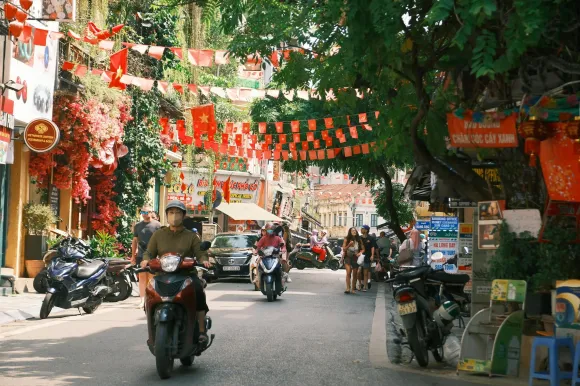
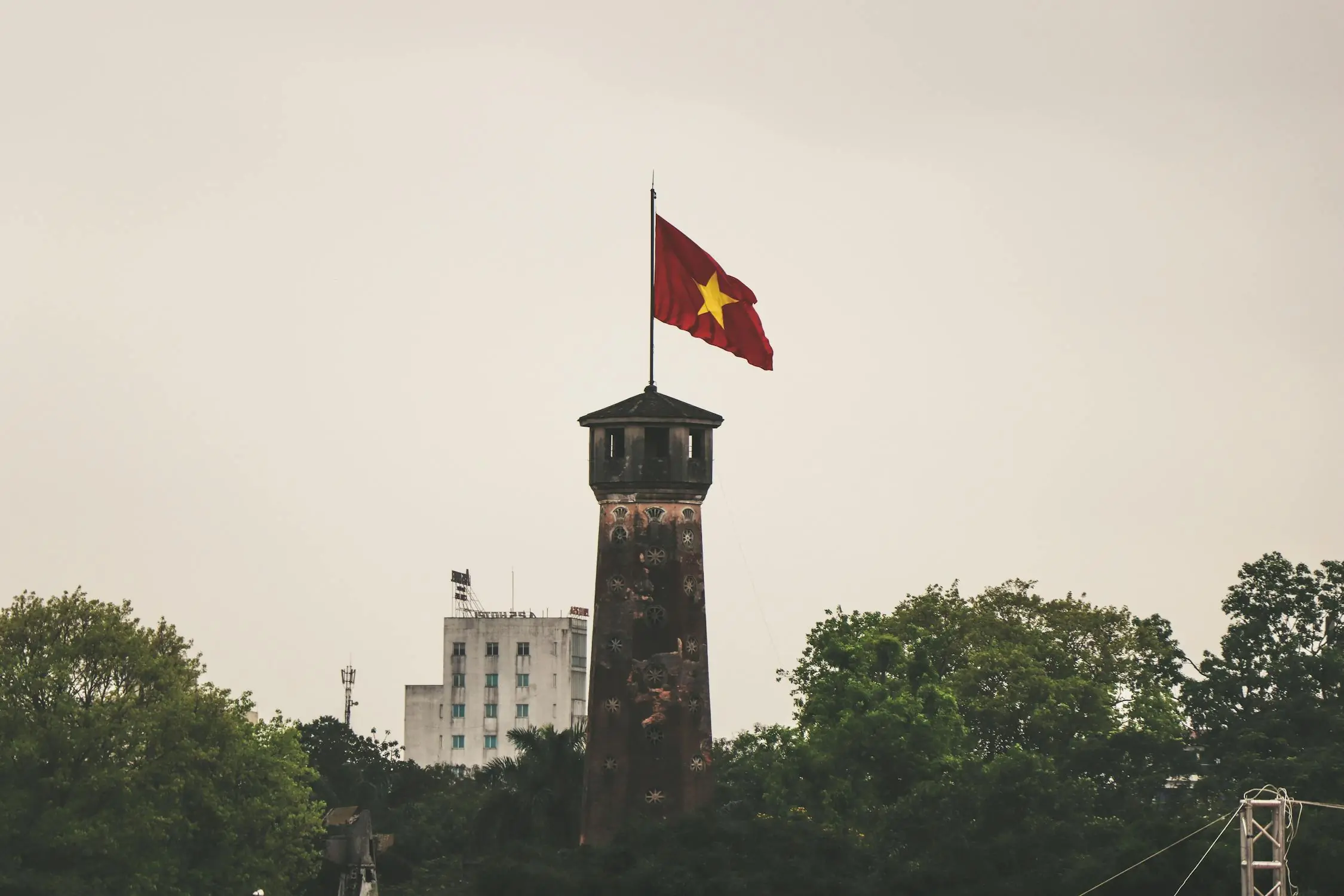
April 30th, 1975 marks the day Saigon fell and the Vietnam War ended, reunifying North and South Vietnam under one government. For Vietnamese people, this is one of the most historically significant dates on the calendar — a day of national pride, of remembrance, and of celebration. Flags appear on every building. Military parades and cultural performances are held in major cities. The streets of Hanoi and Ho Chi Minh City come alive with a particular kind of collective energy you won't find on an ordinary day.
As a foreign visitor, this is genuinely interesting to witness. You don't need to understand every detail of the history to feel the weight of the occasion. Walking through Hanoi's streets on April 30th, with red flags draped from every shophouse and families gathering in the parks, is one of those experiences that makes you understand a country differently.
May 1st — International Labor Day
Back-to-back with Reunification Day, May 1st is Vietnam's Labor Day — a public holiday observed with another round of celebrations, events, and for most Vietnamese families, a welcome excuse to travel.
In 2026 specifically: April 30 falls on a Thursday and May 1 on a Friday, creating a 4-day long weekend running Thursday through Sunday (April 30 – May 3). This is one of the biggest domestic travel windows of the year. The Vietnamese government confirmed no additional working-day swaps in 2026, so the break stays at four days — but that's still enough to set the whole country in motion.
Let's be direct about what you'll notice:
Flights and transport are significantly more expensive and may be full. Domestic routes — Hanoi to Da Nang, Ho Chi Minh City to Phu Quoc, anywhere toward a beach — fill up weeks in advance. If you haven't booked, check availability immediately. International flights into Vietnam also see increased demand from the Vietnamese diaspora returning home for the holiday.
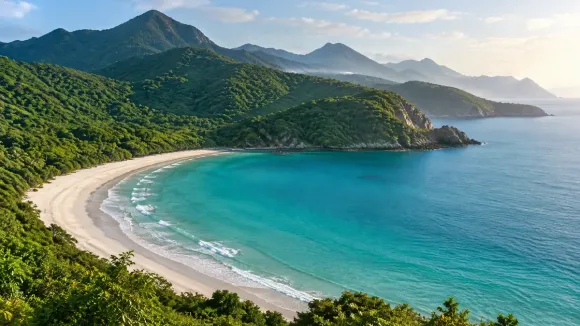
Beach destinations are at peak domestic capacity. Da Nang, Nha Trang, Phu Quoc, Vung Tau — all see a massive influx of Vietnamese domestic tourists during this period. Hotels in these areas book out early and prices rise 25–35% above normal rates. If you're planning a beach stay, either book months in advance or adjust your expectations.
Major city attractions are open but busy. The Ho Chi Minh Mausoleum in Hanoi, Hoan Kiem Lake, the War Remnants Museum in Ho Chi Minh City, Hoi An Ancient Town — all remain open and worth visiting. Queues are longer and the streets are fuller. Come early in the morning and you'll still have a good experience.
Some smaller local businesses close or reduce hours. Particularly on April 30th itself. Most tourist-facing restaurants, hotels, and services stay open. Local market stalls and small family businesses may take the day off.
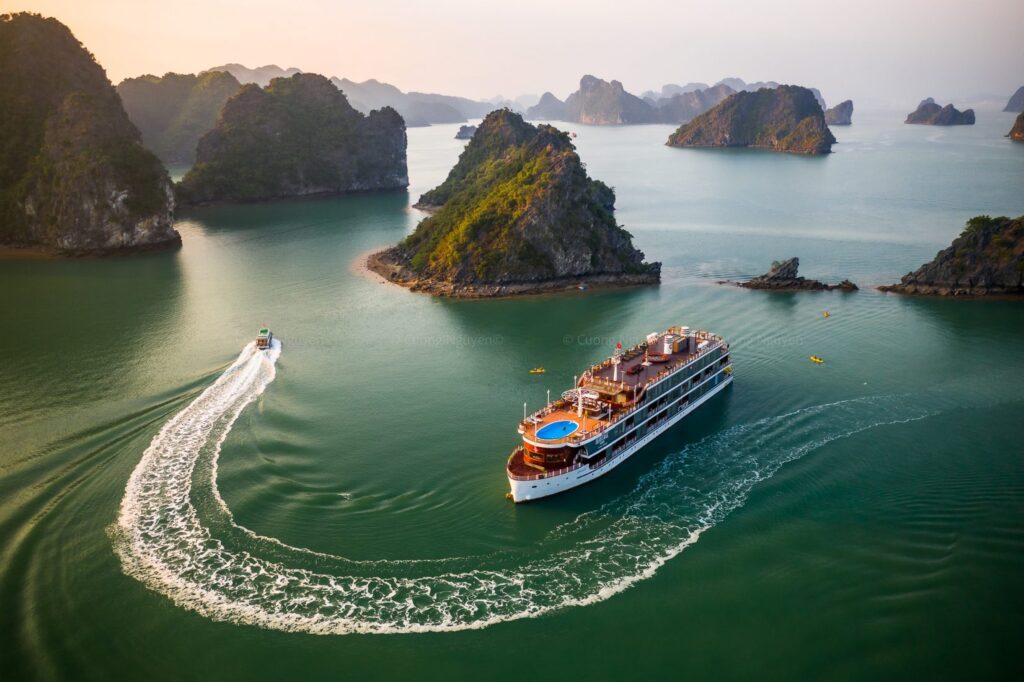
The Halong Carnaval Festival takes place in Quang Ninh Province around this period — art shows, street performances, and celebrations marking the start of the tourism season. If you're in the area, it adds an unexpected layer to a Halong Bay cruise booking.
Most crowded: Da Nang and My Khe Beach, Phu Quoc, Nha Trang, Vung Tau, Hoi An Ancient Town, Hanoi Old Quarter, Ho Chi Minh City's District 1.
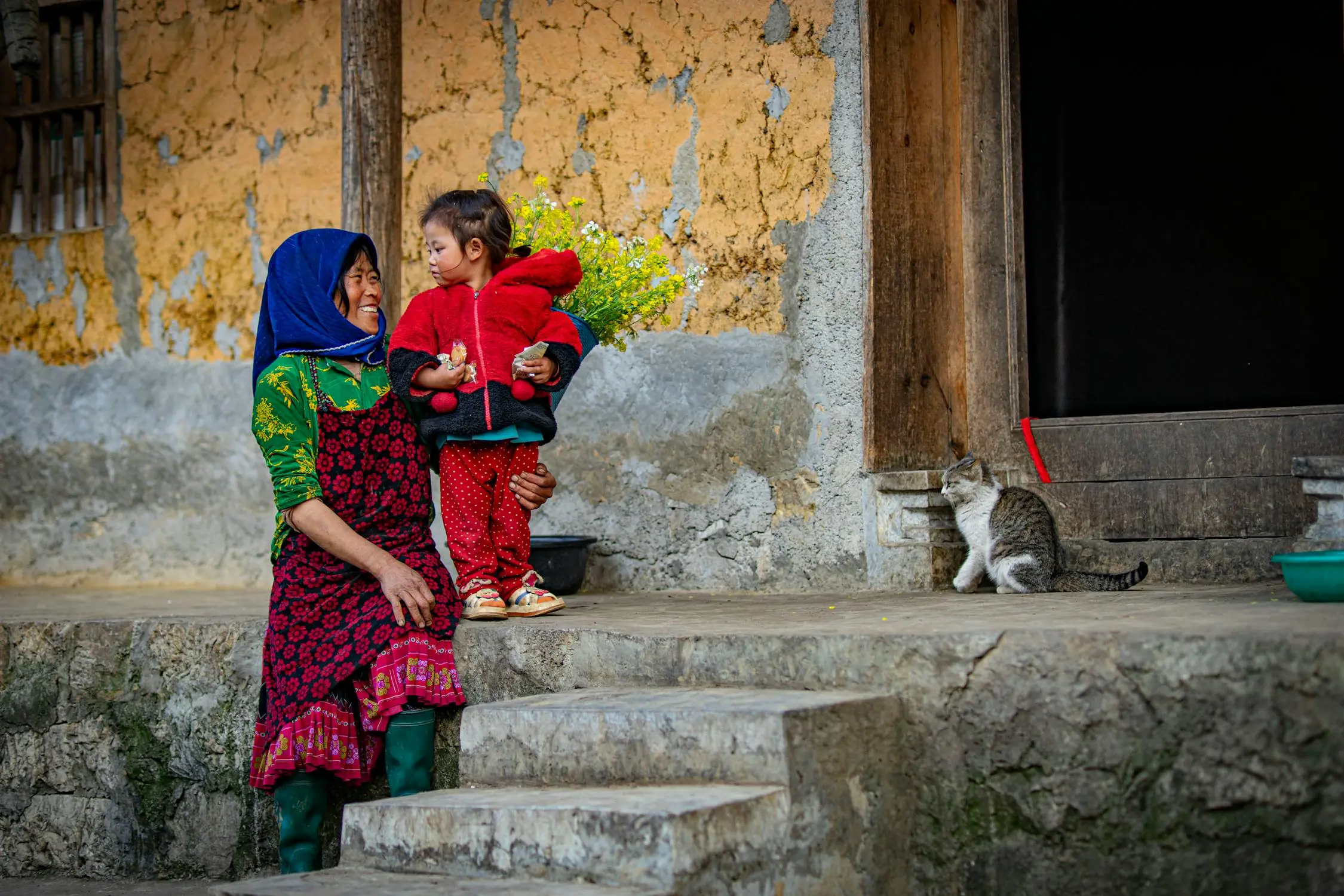
Significantly quieter: Northern mountain areas like Sapa, Ha Giang, and Mai Chau see far fewer domestic tourists during this period — Vietnamese families tend to head for beaches rather than mountains in late April heat. This makes the holiday window one of the better times to visit these destinations without the crowds that peak in September–October.
The smart traveler's move: If you want the cultural experience of the holiday (parades, flags, the collective energy) without the beach crowds, base yourself in Hanoi or Hue. Both cities have meaningful Reunification Day events, interesting streets to walk, and far fewer domestic tourists than the coastal resorts.
Watch the celebrations in Hanoi or Ho Chi Minh City. Military parades, cultural performances, and flag-raising ceremonies take place in the morning of April 30th. Ba Dinh Square in Hanoi and the area around the Reunification Palace in Ho Chi Minh City are the main focal points. Getting there early is essential — arrive by 7am if you want a clear view.
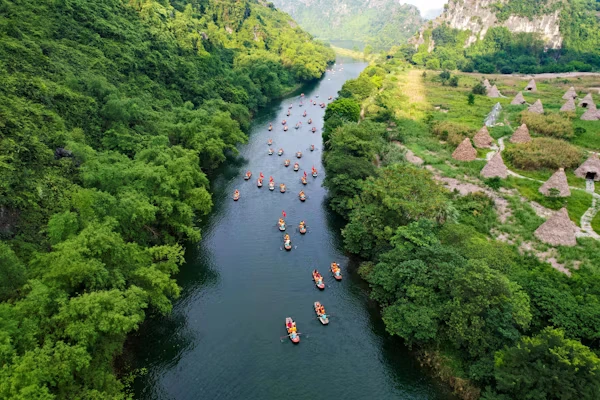
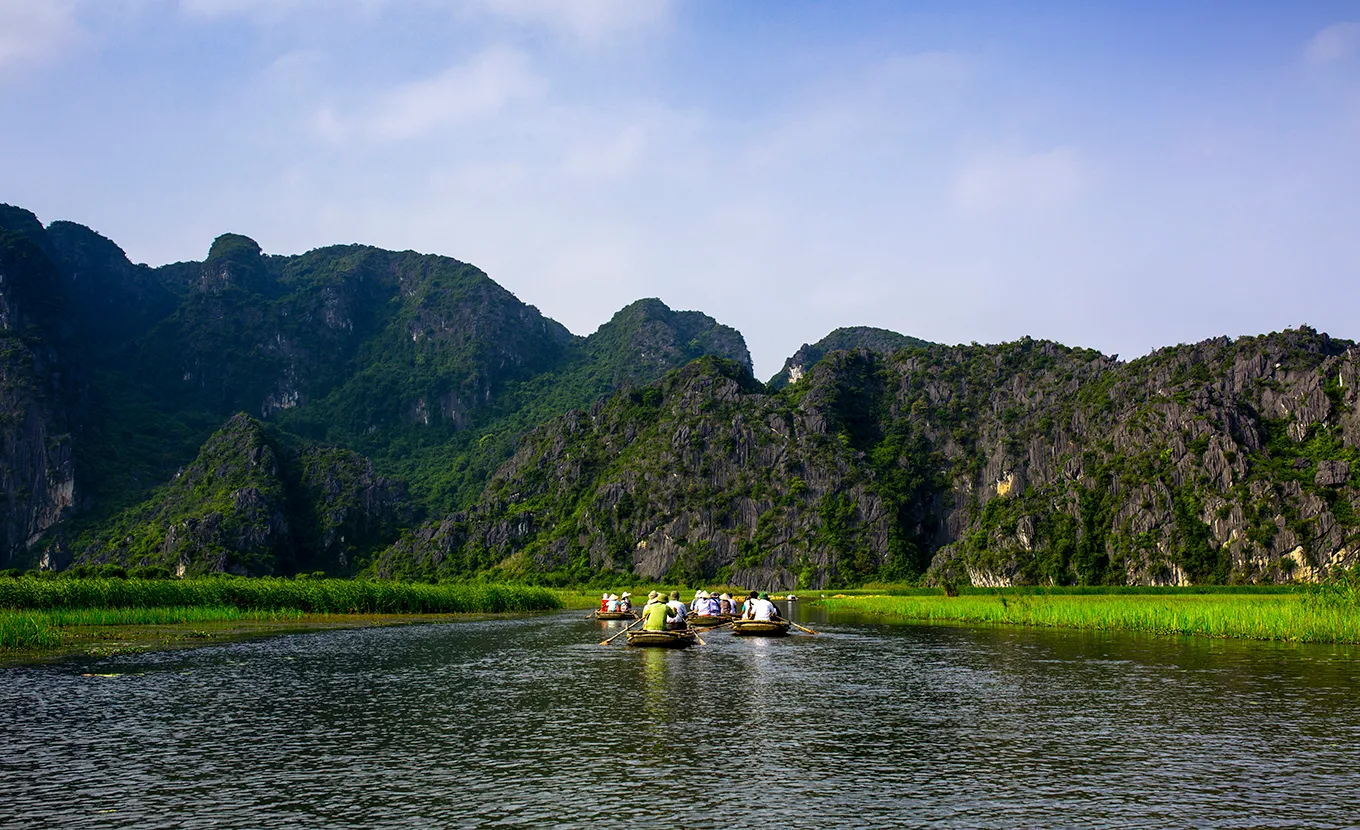
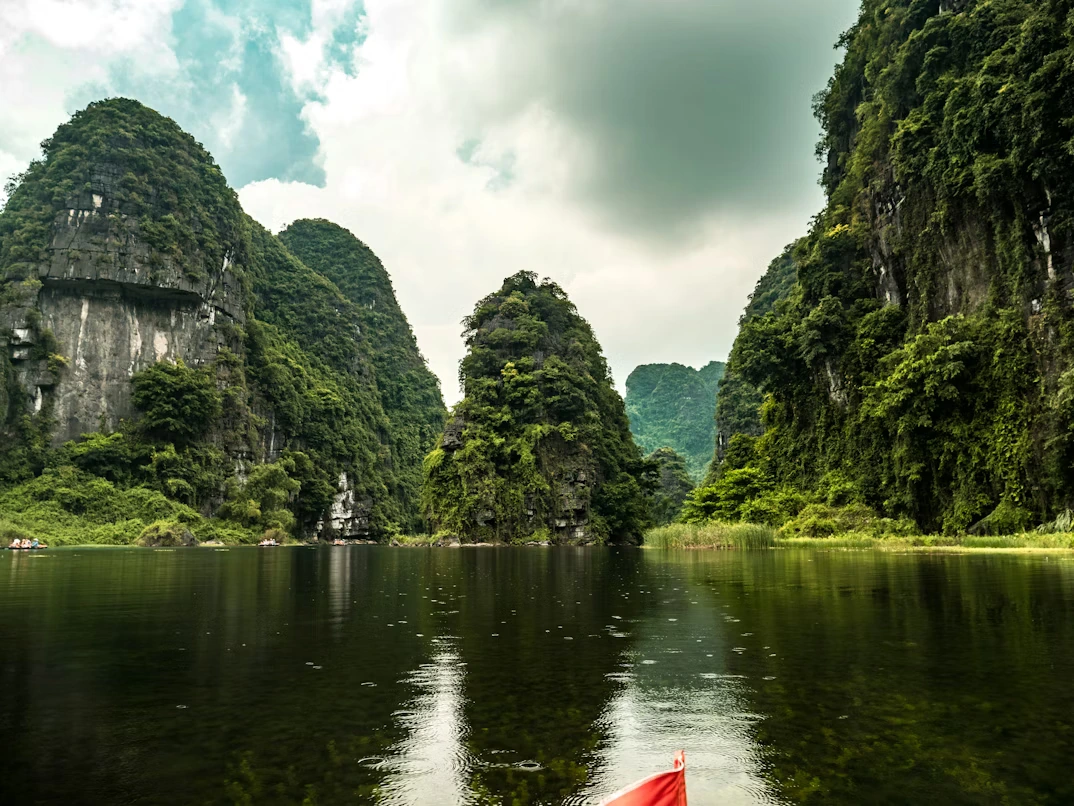
Take a day trip somewhere quieter. If you're based in Ho Chi Minh City, the Mekong Delta is a natural and relatively uncrowded escape — the delta's waterways and floating markets absorb visitors without feeling overwhelmed. From Hanoi, Ninh Binh is a good option on the quieter days of the long weekend. → Ninh Binh Tours
Book a Halong Bay cruise. Counterintuitively, a cruise on these dates can be a good choice — you're on the water, away from road traffic and beach crowds, in one of Vietnam's most spectacular landscapes. The Halong Carnaval adds a bonus layer of atmosphere if your cruise route passes near the port area. → Halong Bay Cruises | Halong Bay Tours
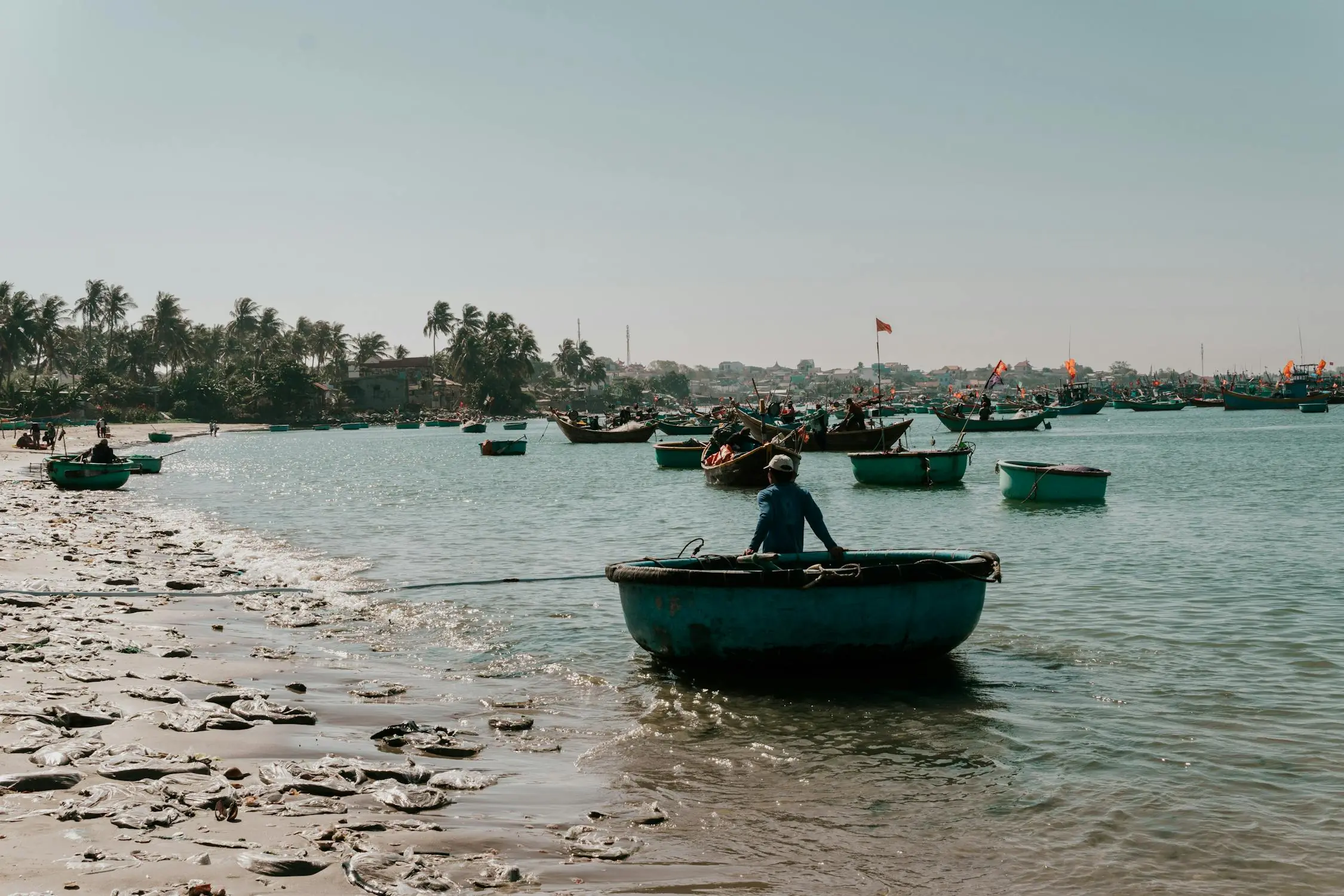
Visit the Central Highlands or less-known destinations. Quy Nhon, Mui Ne, Da Lat — all excellent options that see nowhere near the traffic of the major beach resorts during the long weekend.
Book everything early — and we mean early. Hotels in beach destinations need to be secured 6–8 weeks in advance for this window. Domestic flights even earlier. If you're reading this within two weeks of April 30th and haven't booked, call directly rather than searching online — last-minute inventory sometimes exists that doesn't show on booking platforms.
Consider arriving before or after the peak days. April 28–29 (Tuesday–Wednesday) are regular working days and relatively quiet. May 4–5 (Monday–Tuesday) are the return-travel days — still busy but calming down. The busiest travel days are April 30th going out and May 3rd returning. Plan your movement to avoid these if possible.
E-visa processing slows around public holidays. Government offices close on April 30th and May 1st. If you need a Vietnam e-visa and haven't applied yet, submit it at least 5–7 working days before your travel date to avoid issues with holiday processing delays.
Carry cash in Vietnamese Dong. Banks and currency exchange counters may have reduced hours around the holiday. ATMs in popular tourist areas run out of cash during peak holiday periods — withdraw what you need the day before.
Transport prices spike. Grab (Vietnam's main ride-hailing app) applies surge pricing heavily during the holiday weekend, especially in Ho Chi Minh City and Da Nang. Budget extra for taxis and consider negotiating fixed prices for longer journeys.
Late April is one of the best weather windows in Vietnam — which is a major reason the holiday is so popular for domestic travel.
Northern Vietnam (Hanoi, Halong Bay, Sapa): Warm (28–32°C), dry, and clear. Comfortable for sightseeing. Occasional afternoon humidity but generally excellent conditions.
Central Vietnam (Hue, Da Nang, Hoi An): Hot (30–34°C) and sunny. Perfect beach weather. The combination of great weather and holiday crowds is exactly why these destinations book out so fast.
Southern Vietnam (Ho Chi Minh City, Mekong Delta, Phu Quoc): Hot (32–35°C) with low humidity compared to the monsoon months ahead. The occasional afternoon shower — brief, heavy, and usually over within an hour.
The only caveat: late April marks the beginning of the transition toward the wet season in some areas. Pack a light rain jacket regardless of destination.
Honestly, both approaches are valid. It depends entirely on what you want from your trip.
Avoid the holiday window if: You prioritize quiet beaches, hate crowds at attractions, are sensitive to higher prices, or simply want the most relaxed version of your Vietnam experience.
Embrace the holiday window if: You want to see Vietnam in celebration mode, you're interested in the historical significance of April 30th, you're flexible enough to build your itinerary around the crowd patterns, or you've already done Vietnam once and want a different perspective.
The single most important rule either way: plan ahead. The travelers who struggle during this period are almost always the ones who tried to book too late, move too spontaneously, or underestimated how seriously Vietnam takes this holiday.
Plan early, stay flexible, and the long weekend can be one of the most culturally interesting times to be in the country.
Whether you're visiting during the April 30th holiday or any other time of year, the key is an itinerary built around your travel style — not just a list of attractions.
Mui Ne Beach Escape & Coastal Sightseeing – 5 Days 4 Nights
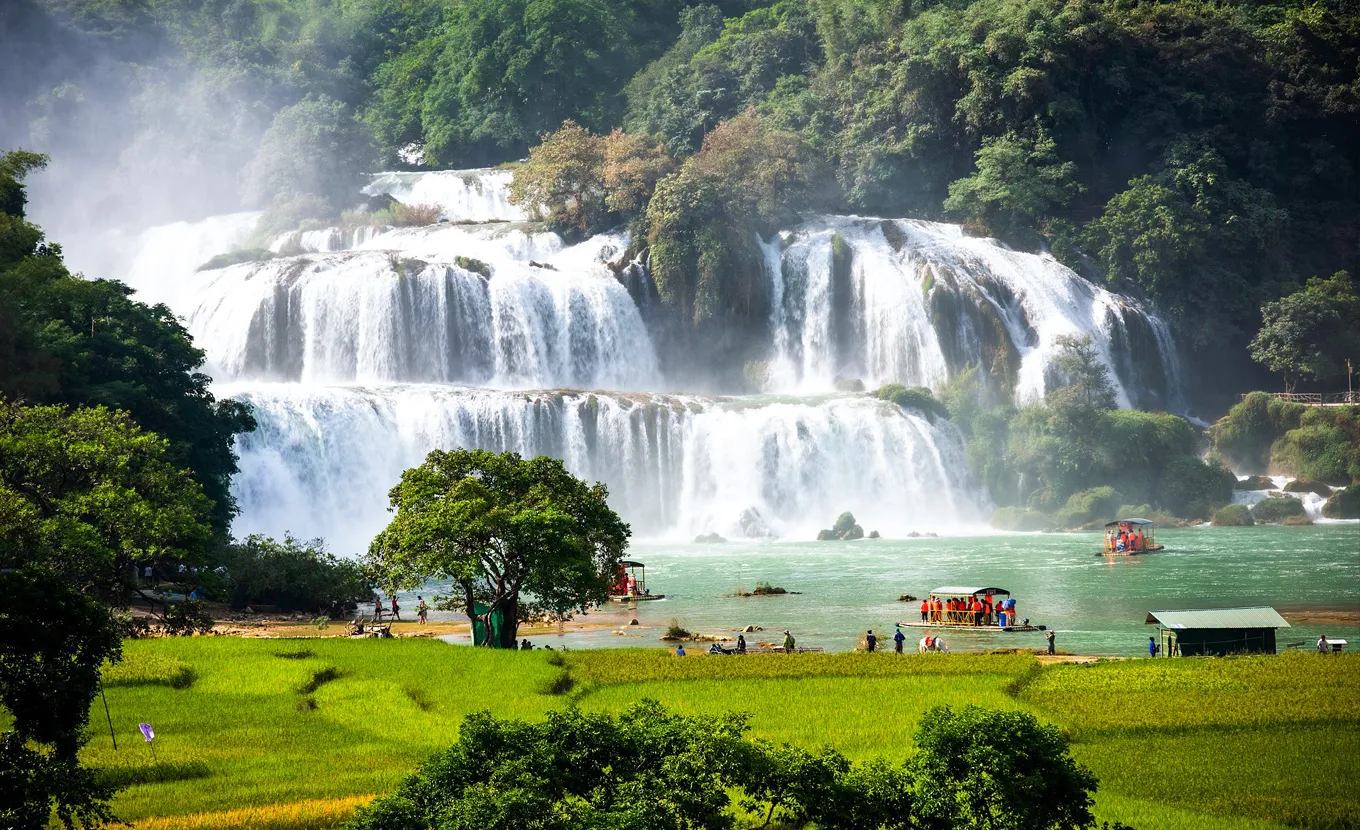
Northeast Vietnam Discovery 5 Days: A Journey Through Heritage & Ethnic Traditions
Best A Luoi Tour Package from Hue – Authentic Highland Experience