Ha Giang is not only famous for dramatic mountain passes and ethnic villages, but also for a rustic cuisine shaped by cold weather, highland agriculture, and generations of local traditions.
Many travelers choose to explore the region through experienced local operators such as C Vietnam Tours, combining scenic routes with authentic food experiences along the Ha Giang Loop. If you’re wondering what to eat in Ha Giang in 2026, this guide highlights five must-try local dishes you shouldn’t miss.
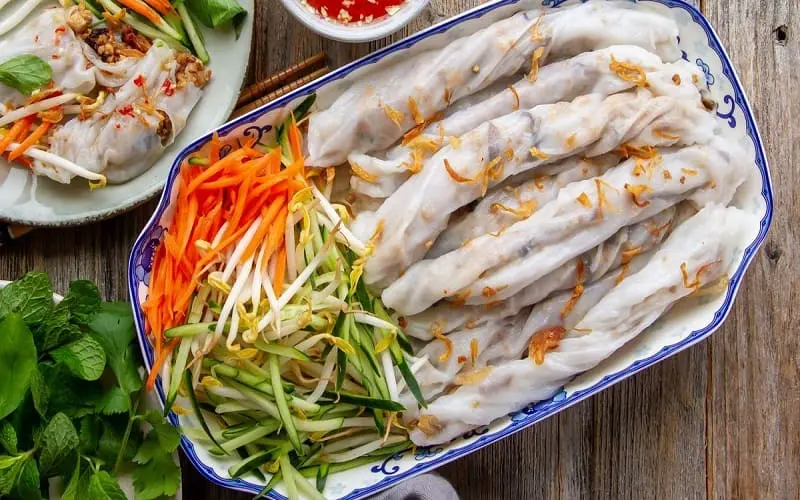
Banh Cuon Trung is one of the most popular breakfast dishes in Ha Giang, especially for travelers starting the loop early. Unlike southern Vietnamese rice rolls, this version is served without dipping sauce. Instead, it comes with a light, fragrant hot broth made from pork bones and scallions.
Thin rice sheets are steamed fresh, rolled with minced pork, and topped with a softly cooked egg. The warmth of the broth and the simplicity of the dish make it ideal for Ha Giang’s chilly mornings.
Best time to eat: Early morning
Why it’s special: Simple, warming, and deeply local
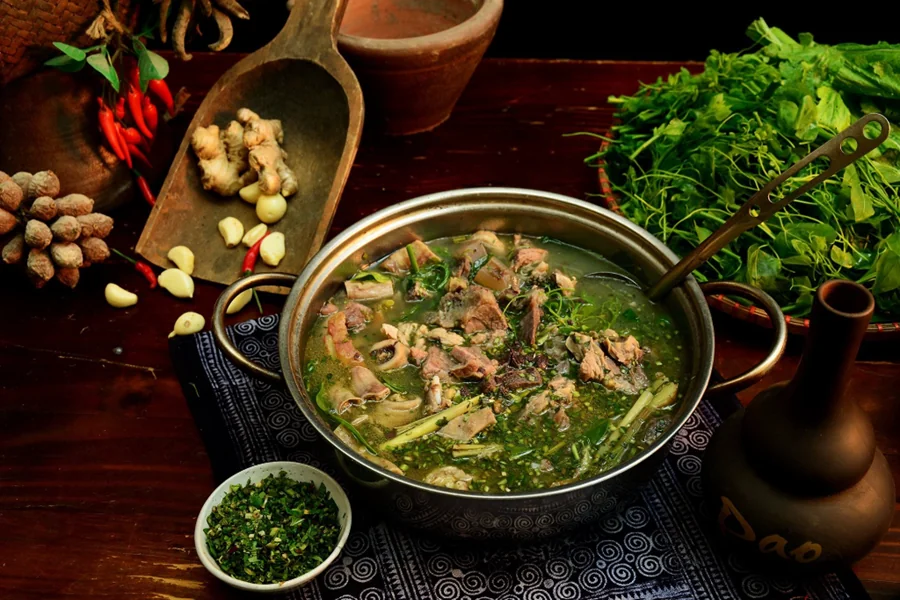
Thang Co is one of the most iconic dishes of Ha Giang’s ethnic minority communities. Traditionally made from pork, beef, or horse meat combined with internal organs and mountain herbs, all ingredients are slow-cooked together in a large pot.
Influenced by Chinese highland cuisine, Thang Co has become more than just a dish — it is a social experience. Locals often gather around the pot, sharing food, stories, and rice wine, especially at weekend markets or festivals.
Best for: Cultural food explorers
Why it’s special: Authentic ethnic cuisine and communal dining
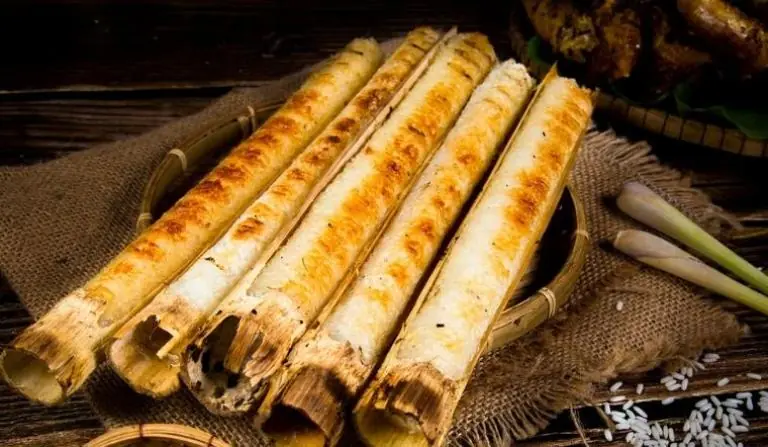
Com Lam Bac Me reflects Ha Giang’s agricultural lifestyle and natural cooking traditions. High-quality sticky rice is soaked, lightly salted, poured into bamboo tubes, sealed with banana leaves, and grilled over wood fire.
As the bamboo heats up, it releases a subtle aroma that blends into the rice, creating a smoky yet delicate flavor. The bamboo is peeled away before eating, revealing soft, fragrant sticky rice inside.
Best for: Roadside snack or side dish
Why it’s special: Natural ingredients and traditional cooking method
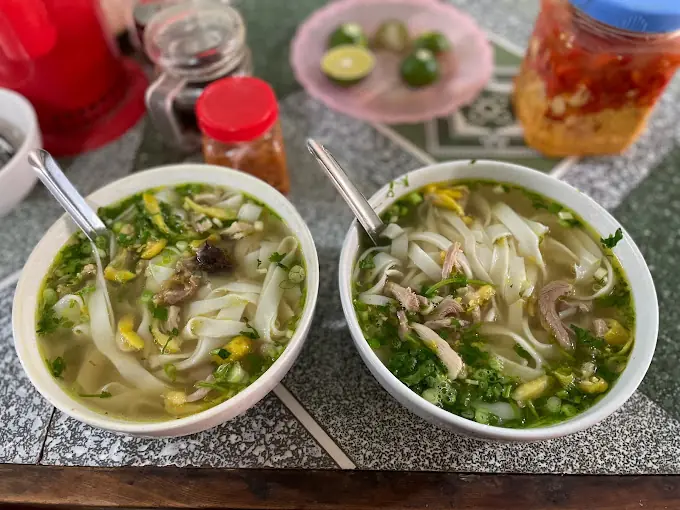
Named after Trang Kim village in Quan Ba District, Bun Trang Kim is considered the most famous noodle dish in Ha Giang province.
The broth is carefully simmered from beef, pork bones, or chicken, then seasoned with local spices such as ginger, cinnamon, star anise, and cardamom. The result is rich but balanced, slightly oily yet deeply aromatic.
What makes this dish stand out is the delicate preparation technique passed down through generations of mountain families.
Best for: Lunch stop on the Ha Giang Loop
Why it’s special: Unique spice blend and local culinary skills
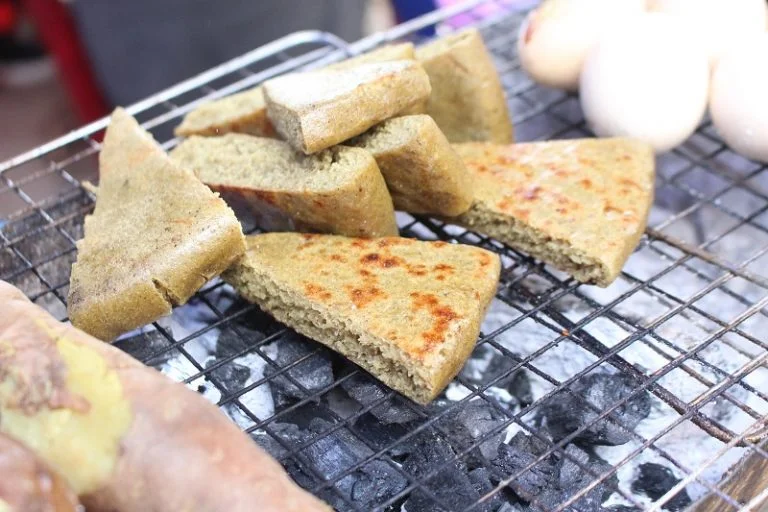
Buckwheat cake is closely associated with Ha Giang’s famous buckwheat flower season. Made from dried buckwheat grains ground into flour, the cakes are shaped into small rounds and lightly grilled over charcoal.
The texture is slightly firm with a mild, nutty flavor. You’ll often see Hmong vendors selling these cakes along mountain roads or at local markets, making it an easy and affordable snack during your journey.
Price: Around 10,000 VND
Why it’s special: Symbolic local food and budget-friendly
Ha Giang’s cuisine is not about luxury, but about warmth, authenticity, and connection to the land. Each dish tells a story of the mountains, the climate, and the people who have lived here for generations.
If you’re planning a Ha Giang Loop trip in 2026, combining local food experiences with a well-organized journey through C Vietnam Tours can help you explore the region more deeply — not just through landscapes, but through its flavors as well.
Pu Luong & Mai Chau Trekking Experience – Authentic Northern Vietnam
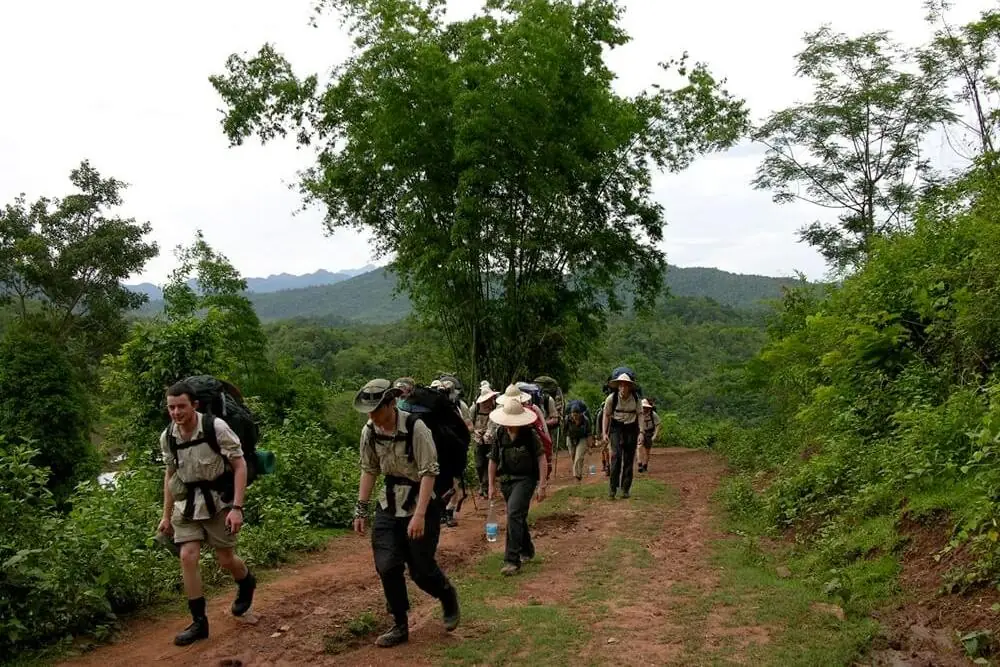
Northern Vietnam Trekking Tour: Mai Chau, Pu Luong & Ninh Binh
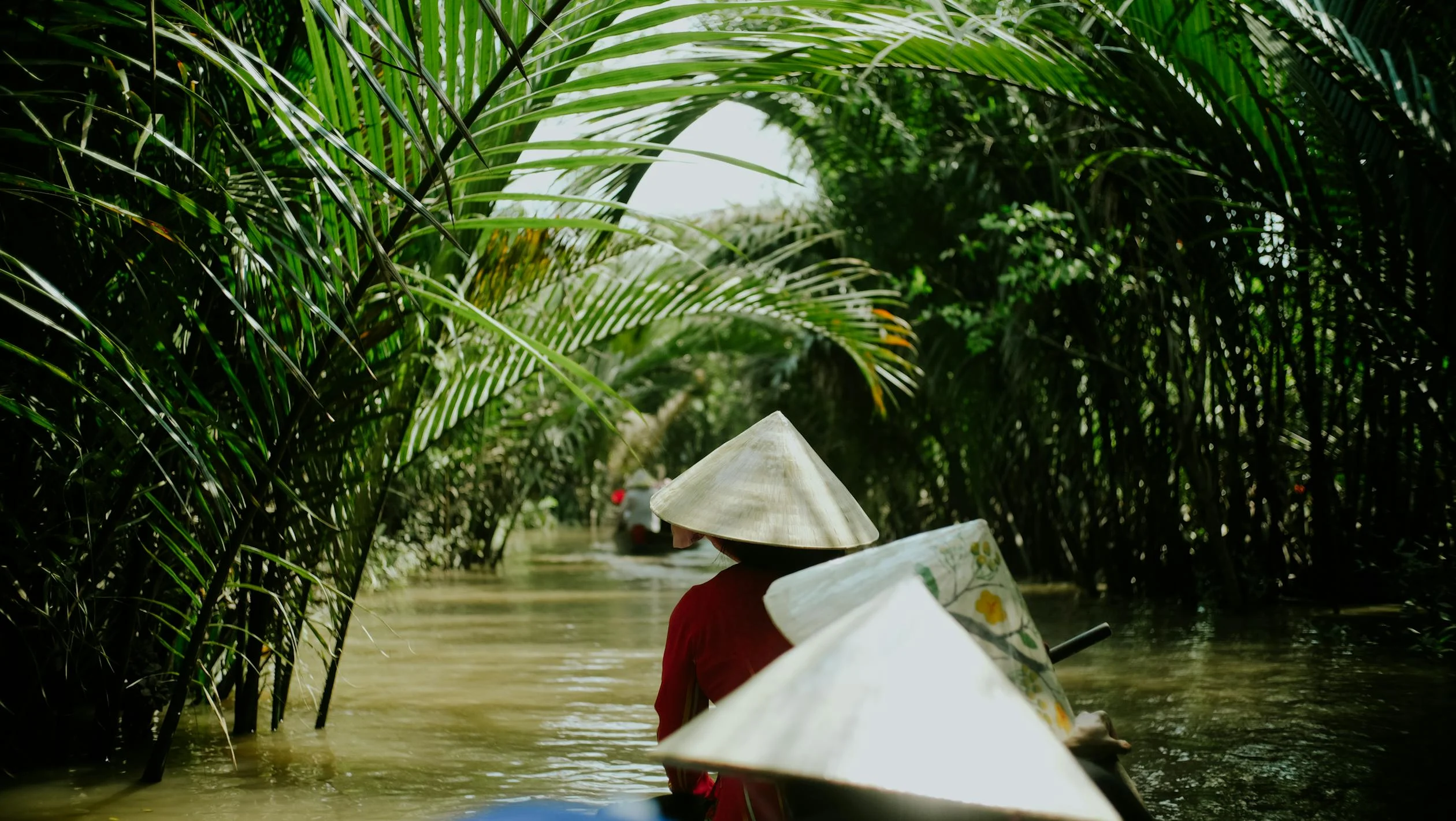
Vietnam Classic Itinerary: 11 Days & 10 Nights