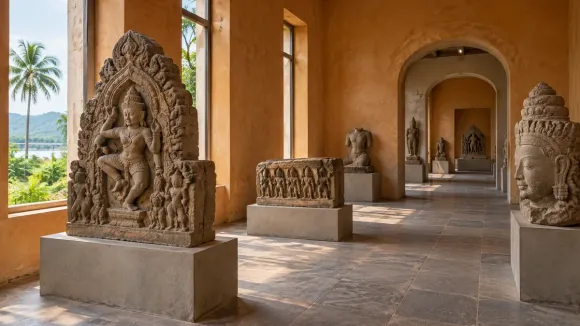
Northern Vietnam packs an unusual amount of geographic variety into a relatively small area — limestone bays at sea level, terraced highlands over 1,500 meters up, and karst caves carved through humid lowland jungle. That variety means "the best time to visit" depends heavily on which part of the north you're actually going to. This guide breaks it down region by region so you can time your trip around the places you actually want to see.
Most general travel guides give a single blanket answer like "October to April is best," which is true in a broad sense but misses a lot of nuance. Sapa's weather behaves very differently from Ha Long Bay's, and Phong Nha's cave season doesn't follow the same rhythm as Hanoi's city weather. Treating the north as one climate zone is the most common planning mistake international travelers make.
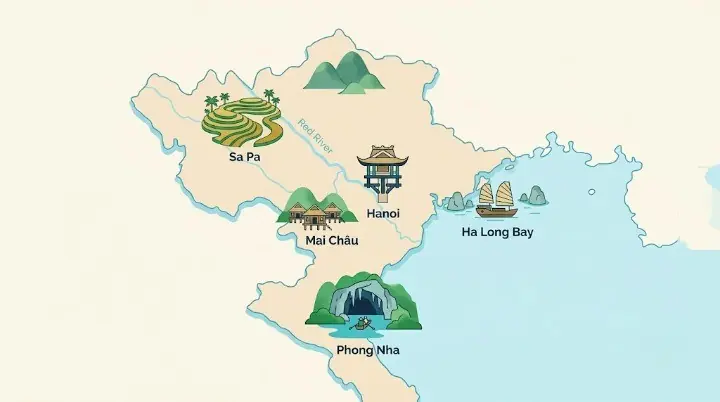
Hanoi has four distinct seasons, which is unusual for Vietnam.
Ha Long Bay's cruise conditions depend heavily on visibility and typhoon risk.
For a full breakdown of cruise types, routes, and booking tips, see our Ha Long Bay cruise guide.
Sapa's high elevation means its climate runs noticeably cooler and more unpredictable than the lowlands.
If you're planning to explore by motorbike rather than on foot, our Sapa motorbike tour guide covers route conditions in more detail.
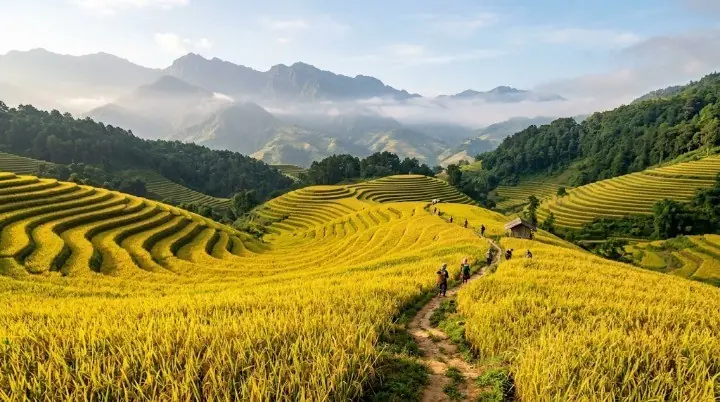
Mai Chau sits at a lower elevation than Sapa, so its weather is milder and more forgiving year-round.
More on homestay options and what to expect from a valley stay in our Mai Chau ecolodge guide.
Phong Nha's cave systems are sensitive to rainfall and river levels, which makes timing more important here than almost anywhere else in the north.
For specific month-by-month conditions, see our Phong Nha – Ke Bang timing guide.

If your itinerary spans multiple regions, September to November remains the safest single window to build a trip around, since it performs well almost everywhere except the deeper Phong Nha caves.
There's no single "best month" for northern Vietnam as a whole — the right answer depends on whether you're prioritizing rice terraces in Sapa, cave systems in Phong Nha, or clear cruising skies in Ha Long Bay. Autumn (September to November) is the closest thing to a universal answer, but if your trip leans heavily toward one region, it's worth timing around that region specifically rather than the calendar in general.
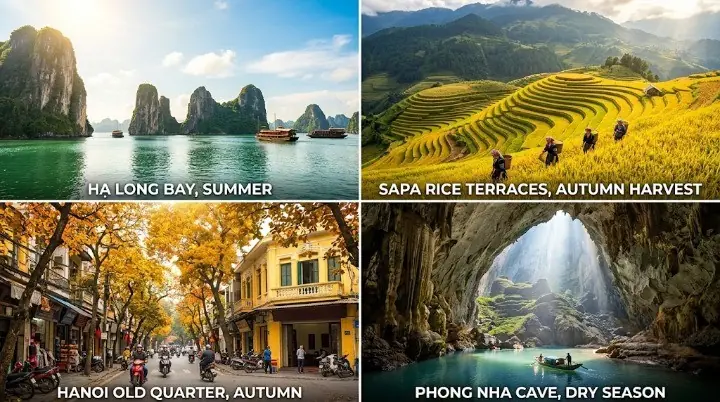
Send us your travel dates and we'll help you sequence Hanoi, Ha Long Bay, Sapa, Mai Chau, and Phong Nha around the best weather windows.
| Chat on Zalo | Chat on WhatsApp |
Hotline / Zalo / WhatsApp: +84 913 833 980


Danang Beach Break 4 Days | Relaxing Da Nang Beach Holiday Tour
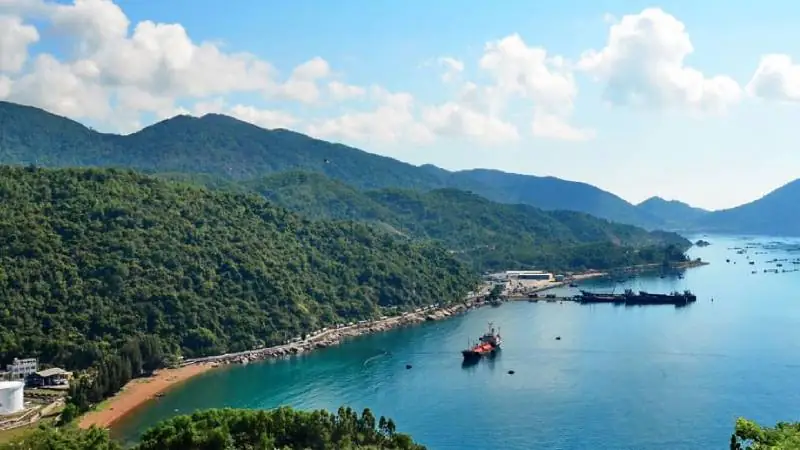
10-Day Vietnam Beach Holiday: Central & Southern Coast Resorts & Experiences
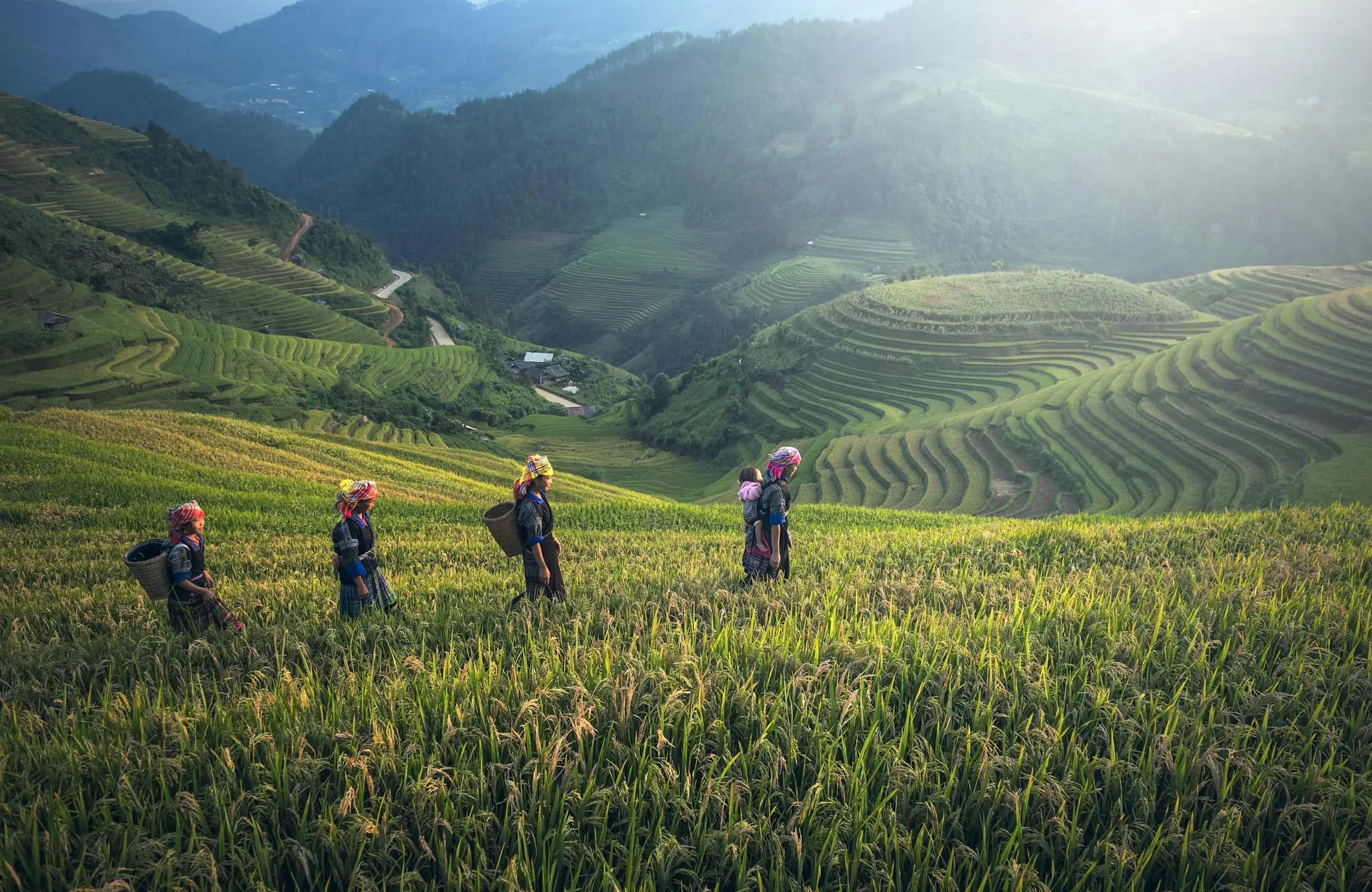



Northern Vietnam Trekking Tour: Mai Chau, Pu Luong & Ninh Binh